

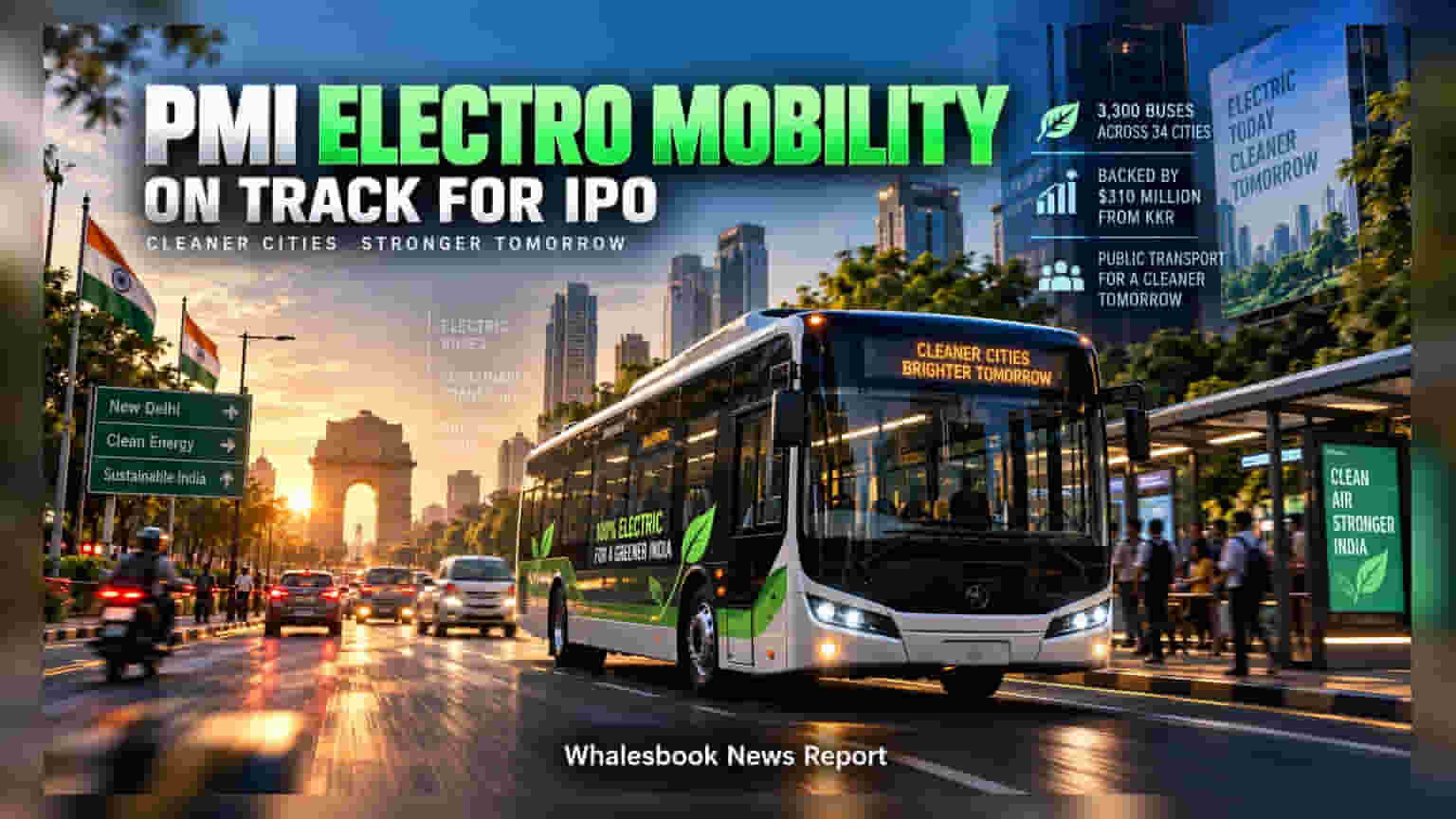
PMI Electro Mobility, an electric commercial vehicle maker with 3,300 operational e-buses, has filed confidential papers for a stock market listing. Supported by a $310 million investment from KKR, the company is preparing to enter a highly competitive sector. Investors will track the company’s ability to win government contracts and manage the high capital spending required for expansion.
PMI Electro Mobility Solutions has officially started its journey toward a stock market listing by filing confidential draft papers with the market regulator. This filing follows a significant capital infusion of approximately $310 million from the global investment firm KKR earlier this year. The company has opted for the confidential filing route, which allows it to submit sensitive financial information to the regulator for review without immediately releasing those details to the public or competitors.
Business Model and Scale
Established in 2017, PMI Electro Mobility has grown to operate a fleet of 3,300 electric buses across 34 cities in India. The company focuses on the public transit segment, which is a critical part of the government’s efforts to reduce carbon emissions and modernize urban transport. Most of the revenue in this sector is driven by government-backed tenders, such as the PM-eBus Sewa scheme, where state transport undertakings invite bids for the supply and operation of electric buses.
Competitive Landscape
The company is entering a market that is already occupied by major established players. Key competitors include Tata Motors, Olectra Greentech, and JBM Auto. These firms have been aggressively bidding for government tenders, which are often the primary source of volume in the e-bus space. For investors, the ability to win these contracts while maintaining healthy profit margins is crucial. The sector is highly competitive, and manufacturers must balance the cost of building, operating, and maintaining these buses against the fixed payments promised by government contracts.
Risks and Investor Monitorables
While the sector holds promise due to the shift toward green public transport, there are distinct challenges to monitor. Electric bus manufacturing is highly capital-intensive. It requires significant upfront spending on vehicle production and charging infrastructure before payments are realized from government clients. This often leads to high working capital requirements, which can put pressure on cash flow.
Furthermore, because the business is heavily dependent on public sector tenders, any policy change or delay in government project approvals can impact the company's order book. Investors should track how the company plans to fund its future expansion and whether it can diversify its client base beyond public transport contracts. As the company moves through the regulatory process, more details about its financial health, debt levels, and future growth strategy will become available in the public domain. The timeline for the eventual public issue will depend on the feedback from the market regulator.