

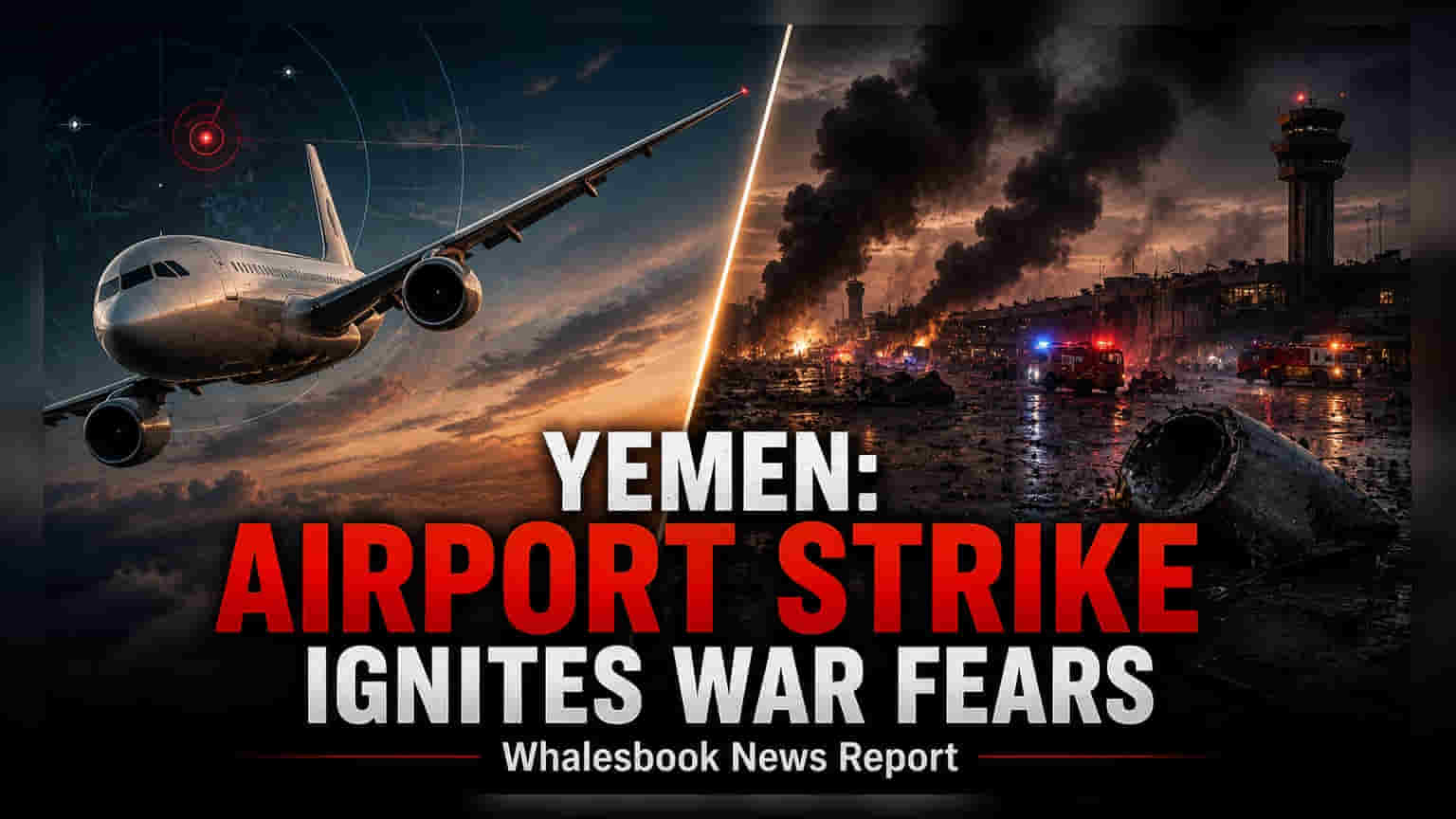
Forces aligned with the Yemeni government struck Sana'a International Airport on July 13 to prevent an Iran-linked flight from landing. The incident has triggered retaliatory drone attacks on Saudi infrastructure, threatening the fragile peace established since 2022 and raising concerns over potential instability in the Middle East.
A significant escalation in the Middle East conflict occurred on July 13 when forces loyal to Yemen's internationally recognized government disabled the runway at Sana'a International Airport. The military action was taken to block an Iranian aircraft, which was transporting a delegation of Houthi officials back from Iran, from touching down in the capital. The aircraft was eventually diverted to Hodeydah, a port city under Houthi control, where it landed without injuries to the passengers.
Impact on Regional Stability and Infrastructure
The immediate aftermath of the runway strike saw the Houthi movement issue strong condemnations, leading to a rapid military response. Shortly after the incident, the group launched missile and drone attacks directed at Saudi Arabia’s Abha International Airport. Saudi authorities confirmed the interception of these projectiles, noting that there were no casualties. While the immediate physical damage was managed, the exchange underscores a return to active hostilities that threatens to unravel the relative de-escalation maintained since the UN-brokered truce first began in 2022.
Investor and Economic Context
For investors and global markets, the primary risk lies in the potential for renewed instability in the Red Sea and surrounding regions, which are critical routes for international trade and energy shipments. While the formal UN ceasefire had expired, the period of relative calm had helped stabilize regional logistics. The resumption of cross-border attacks introduces uncertainty into energy prices and supply chain reliability. Any prolonged escalation could influence insurance premiums for maritime traffic and disrupt flow through major shipping lanes that remain sensitive to geopolitical developments.
Humanitarian and Strategic Outlook
The United Nations has called for immediate restraint from all involved parties, highlighting that further military action could worsen the existing humanitarian crisis in Yemen. The country's infrastructure, already devastated by over a decade of civil war, remains highly vulnerable to any uptick in conflict intensity. Market observers are now monitoring whether this incident remains a localized military exchange or evolves into a broader disruption of regional security. The ability of international mediators to restore dialogue will be the key factor in determining if this flare-up will have a lasting impact on regional economic stability.