

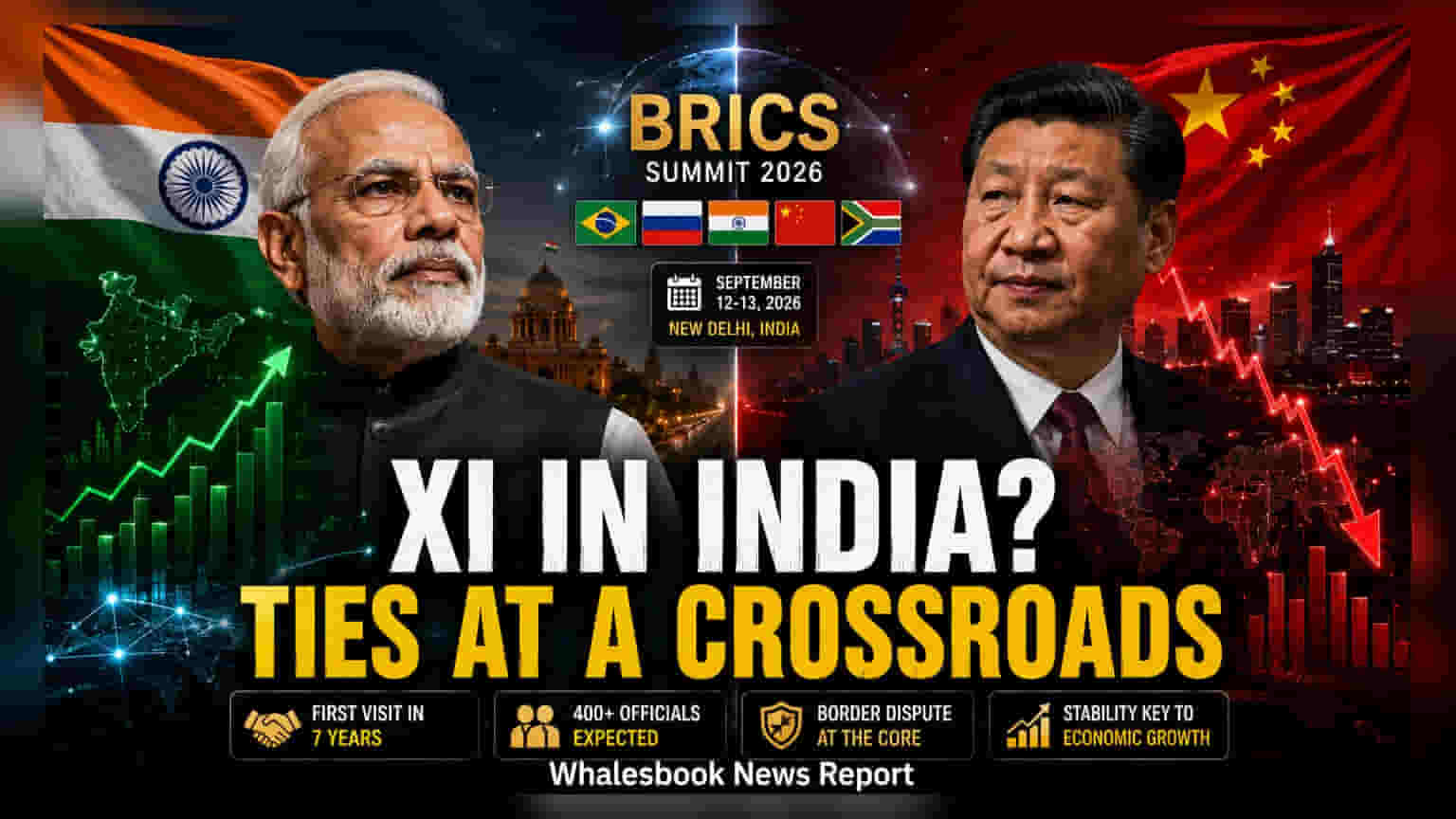
Chinese President Xi Jinping is reportedly considering attending the BRICS summit in New Delhi this September, marking a possible first visit to India in seven years. The potential trip, pending official confirmation, is being viewed as a significant diplomatic moment that could influence regional stability and investment sentiment.
Chinese President Xi Jinping is reportedly considering a visit to New Delhi for the upcoming BRICS Summit, scheduled for September 12-13, 2026. While an official announcement from Beijing is still awaited, reports suggest that logistical preparations, including high-level security protocols and hotel bookings, are underway. If confirmed, this would mark the Chinese leader’s first visit to India in seven years.
The potential visit is being closely watched by observers as a signal of a possible thaw in diplomatic relations. India and China have experienced a strained bilateral relationship since the 2020 Galwan Valley border clashes. For investors and the broader business community, geopolitical stability is a primary factor in maintaining predictable trade flows and supply chains. Any high-level engagement between the two nations is generally seen as a step toward reducing uncertainty, which helps in managing regional risks.
Reports indicate that President Xi may be accompanied by a large delegation of approximately 400 officials. The scale of this contingent is notably larger than that of his 2019 visit, suggesting that both nations are placing significant emphasis on the importance of this potential dialogue. This development follows high-level diplomatic efforts, including recent visits by Indian officials to Beijing to discuss long-standing boundary issues.
For the Indian market, the significance of this potential visit lies in the broader context of economic relations. Since the border tensions escalated in 2020, India has implemented stricter scrutiny on foreign direct investments from neighboring countries, which has impacted various sectors, including manufacturing and electronics. While any single diplomatic meeting is unlikely to result in immediate policy shifts, the establishment of a stable channel of communication is often a prerequisite for reassessing such economic frameworks over the long term.
However, there are notable risks and complexities to consider. The visit has not yet been officially confirmed, and the absence of such confirmation could lead to diplomatic disappointment. Furthermore, the BRICS bloc itself faces internal challenges, including differing views among member nations regarding global issues and trade policies. Navigating these divergent agendas while simultaneously addressing the sensitive border dispute requires careful diplomatic management.
Ultimately, the success of the summit will depend on whether both sides can move beyond protocol to address the core differences that have hindered deeper engagement in recent years. Investors and analysts will continue to monitor official statements from the Ministry of External Affairs and Beijing for clarity on the visit’s confirmation and any potential bilateral agenda.