

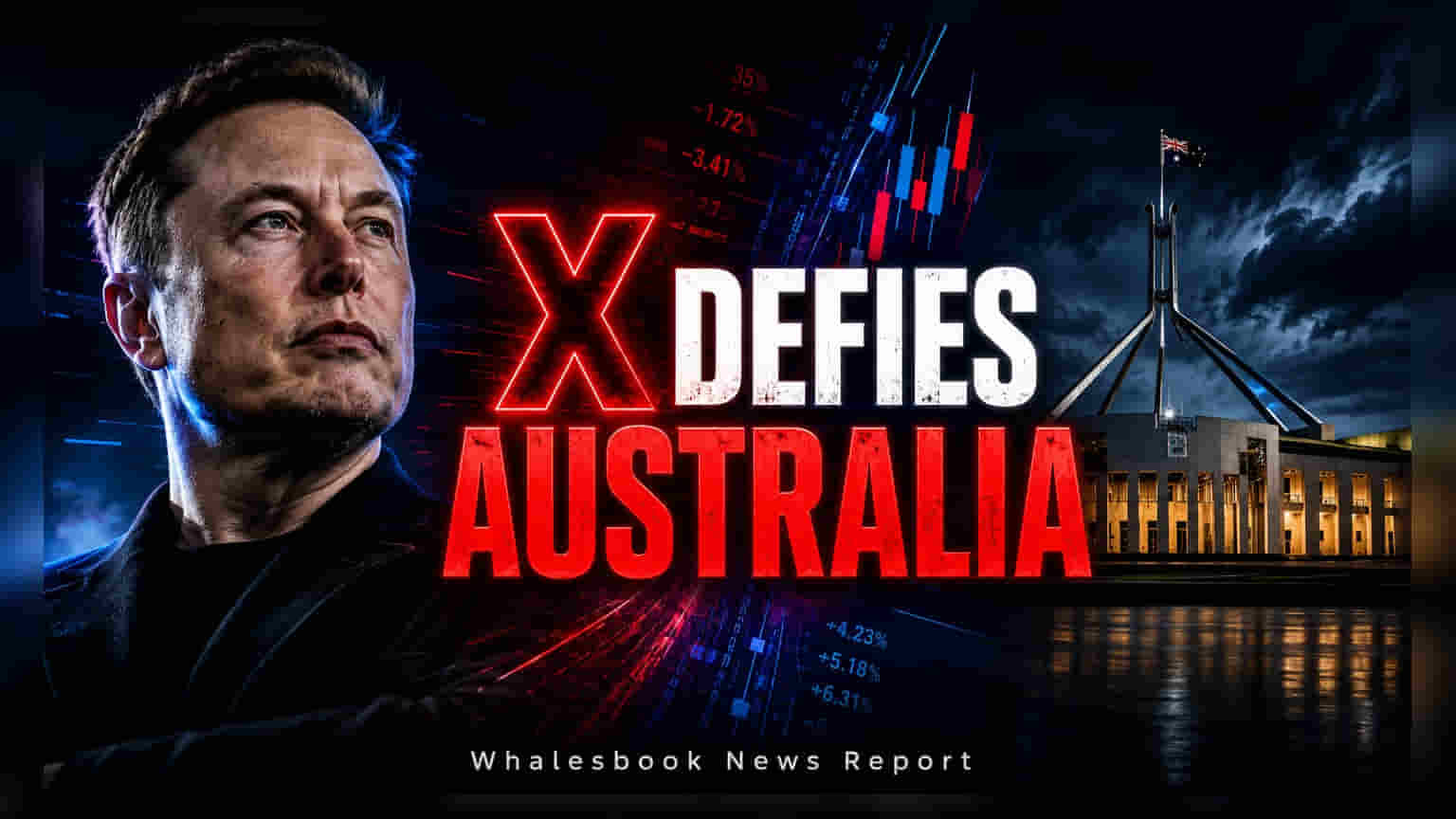
Platform X is contesting Australia's proposed age verification laws, arguing that expanded regulatory powers to compel document discovery overreach international legal norms. The proposed legislation, which includes potential fines of up to A$99 million, faces scrutiny over privacy, fairness, and the technical feasibility of blocking underage users.
Social media platform X has formally challenged Australia’s proposed enhancements to its age verification laws, which aim to restrict internet access for users under the age of 16. In a recent submission to an Australian senate committee, the company argued that the government’s plan to grant the eSafety Commissioner broader document discovery rights and increased enforcement authority could infringe upon international legal principles and procedural fairness.
Regulatory Powers and Potential Fines
The proposed legislation seeks to significantly strengthen the eSafety Commissioner’s ability to investigate compliance among digital platforms. Among the proposed changes is a sharp increase in potential penalties for non-compliance, with fines reaching up to A$99 million, or approximately $69 million. X has specifically contested provisions that could allow regulators to compel information from entities and individuals based outside of Australia simply due to their affiliation with a service provider. The company maintains that such requirements conflict with established international legal norms and may place an undue burden on organizations operating across multiple jurisdictions.
Technical and Industry Hurdles
The debate over the proposed law also highlights a significant divide between regulators and major tech companies regarding the feasibility of enforcement. The eSafety Commissioner has noted that current limitations in gathering evidence—particularly the inability to compel documents from third-party age assurance firms—make it difficult to verify whether platforms are effectively preventing access by minors.
Industry groups and major platforms remain concerned about the practical application of these mandates. DIGI, an industry body representing several digital platforms, has argued that existing enforcement capabilities remain largely untested and has requested greater clarity on how document requests will be handled. Simultaneously, major platforms including YouTube and TikTok have indicated that no universally foolproof method exists to accurately identify and restrict underage users without compromising user privacy or service accessibility.
Next Steps for Legislation
The proposed legislative changes are currently awaiting further parliamentary debate. The Australian senate committee overseeing the matter is expected to release its formal findings and recommendations on August 25. For investors and stakeholders in the global tech sector, this timeline is a key monitorable, as the final decision could set a precedent for how other nations attempt to regulate age-based access to social media, potentially impacting operational compliance costs and international business strategies for major digital service providers.