

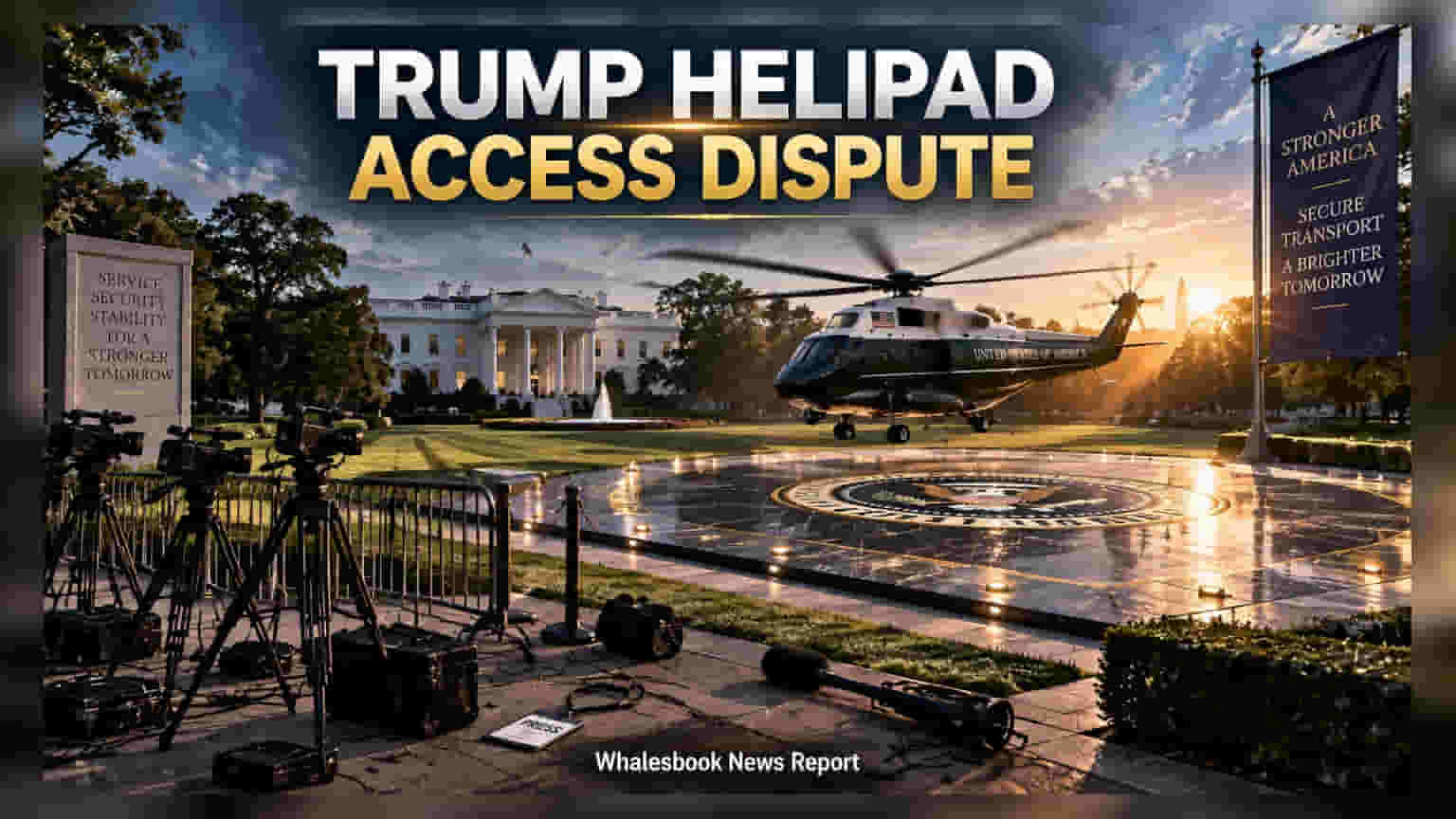
The White House has inaugurated a new $6 million helicopter landing pad just ahead of a scheduled state visit by the Chinese President. The project faces controversy, with major U.S. media networks boycotting the event to protest restrictions on press access. The timing of this infrastructure expenditure has drawn attention due to persistent inflation and broader concerns regarding the cooling U.S. economy.
The White House has officially opened a new helicopter landing pad at an estimated cost of $6 million. The project, which began in June, replaces the traditional lawn landing zone to accommodate newer, more powerful helicopters that are replacing the aging Vietnam-era fleet. The structure makes extensive use of granite, with the administration suggesting it is built for long-term use.
The inauguration ceremony, however, occurred in the absence of major media presence. ABC, CBS, CNN, and Fox News launched a collective protest by boycotting the event. This action followed the administration's decision to bar CNN from participating in the rotating press pool. The dispute is part of a larger ongoing tension between the White House and news outlets, with recent legal filings by organizations like Politico and CNN seeking to challenge restrictions on journalistic access.
The project’s completion arrives at a critical time for the administration, with only six weeks remaining before the upcoming U.S. election. The timing has drawn criticism from political opponents, particularly given the current voter anxiety surrounding persistent inflation and an increasingly fragile economic outlook. While the government frames the construction as a necessary modernization for presidential transport, the visual of a high-cost infrastructure project occurring during a constitutional standoff over press freedom has become a point of contention.
Critics have also pointed to historical infrastructure projects, such as the restoration of the Lincoln Memorial Reflecting Pool, citing past concerns about project management and execution. The final cost of the helipad remains subject to scrutiny, as there have been indications of further landscaping work planned around the site.
The event was also intended to set the stage for a state visit by Chinese President Xi Jinping. Despite the diplomatic optics the administration aimed to achieve, the standoff with the press overshadowed the debut of the facility. Following the ceremony, President Trump departed for the United Nations General Assembly in New York without addressing questions from the sidelined press pool.
For those observing the U.S. economy, this event highlights the ongoing debate regarding government spending priorities during a period of economic uncertainty. The key for observers will be how the administration balances essential infrastructure upgrades with broader fiscal pressures like inflation, especially as the country heads into the final weeks before the election.