 Whalesbook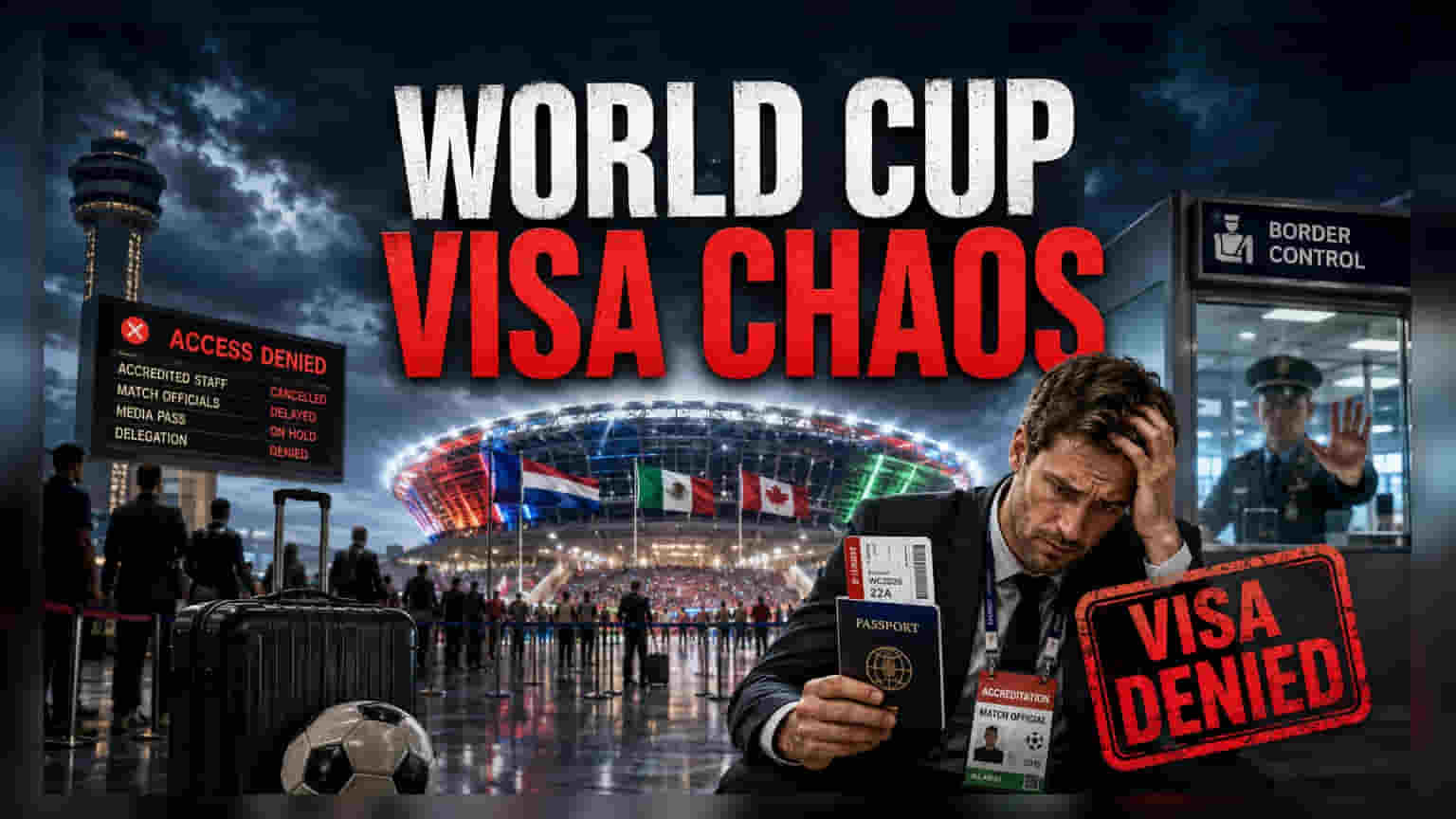


Jibril Rajoub, head of the Palestinian Football Association, has been denied a US visa for the 2026 FIFA World Cup, joining a growing list of officials and delegates facing entry hurdles. This ongoing trend of visa complications is raising questions about the operational and logistical challenges faced by global sporting bodies when hosting mega-events in countries with strict immigration policies.
What Happened
Jibril Rajoub, the president of the Palestinian Football Association, has confirmed that he was denied a visa to enter the United States for the ongoing 2026 FIFA World Cup. Despite possessing official accreditation from FIFA, Rajoub was unable to secure entry, forcing him to remain in Mexico. He had previously attended the tournament's opening match in Mexico City. His case is not isolated; multiple other delegates, referees, and national team support staff from various nations have reported similar visa complications or entry denials in the lead-up to and during the tournament.
The Operational Challenge for Global Events
The 2026 World Cup, hosted across the United States, Mexico, and Canada, is intended to be a premier international event showcasing global unity. However, the recurring reports of visa denials for accredited personnel have created a significant logistical hurdle for FIFA. While the organization provides accreditation, it has limited authority over the sovereign border and immigration policies of the host nations. FIFA leadership, including President Gianni Infantino, has acknowledged the complications and stated that the organization is working to resolve these issues, though it remains unable to override government decisions regarding entry.
Business and Reputational Context
For major international sporting bodies, the consistency and accessibility of a tournament are critical for its brand value and stakeholder trust. When key representatives or team support staff are barred from entry, it can disrupt team preparations and complicate administrative functions. This situation highlights a complex dynamic where the logistical requirements of a global mega-event collide with the national security and immigration priorities of host countries. For investors and observers of the sports business sector, the ability of host nations to balance these priorities without compromising the event’s inclusivity is a key metric of successful event management.
Patterns of Visa Complications
Reports indicate that the challenges extend beyond individual officials. Various national football federations, including those from Iran, have cited delays or denials for technical and administrative staff. Additionally, independent referees and media representatives have faced scrutiny at ports of entry, leading to broader questions about the preparation and policy frameworks in place for such a large-scale event. These incidents have sparked debates regarding host nation obligations and the potential for diplomatic friction to overshadow the sporting proceedings.
What Investors Should Track
Moving forward, the primary monitorable will be how FIFA manages these diplomatic and logistical frictions for the remainder of the tournament. The potential for these issues to impact team performance, the attendance of key stakeholders, and the overall narrative of the 2026 World Cup remains a point of interest. Observers may also watch for any official diplomatic or government statements that could clarify the vetting procedures for future large-scale events hosted in the region.