

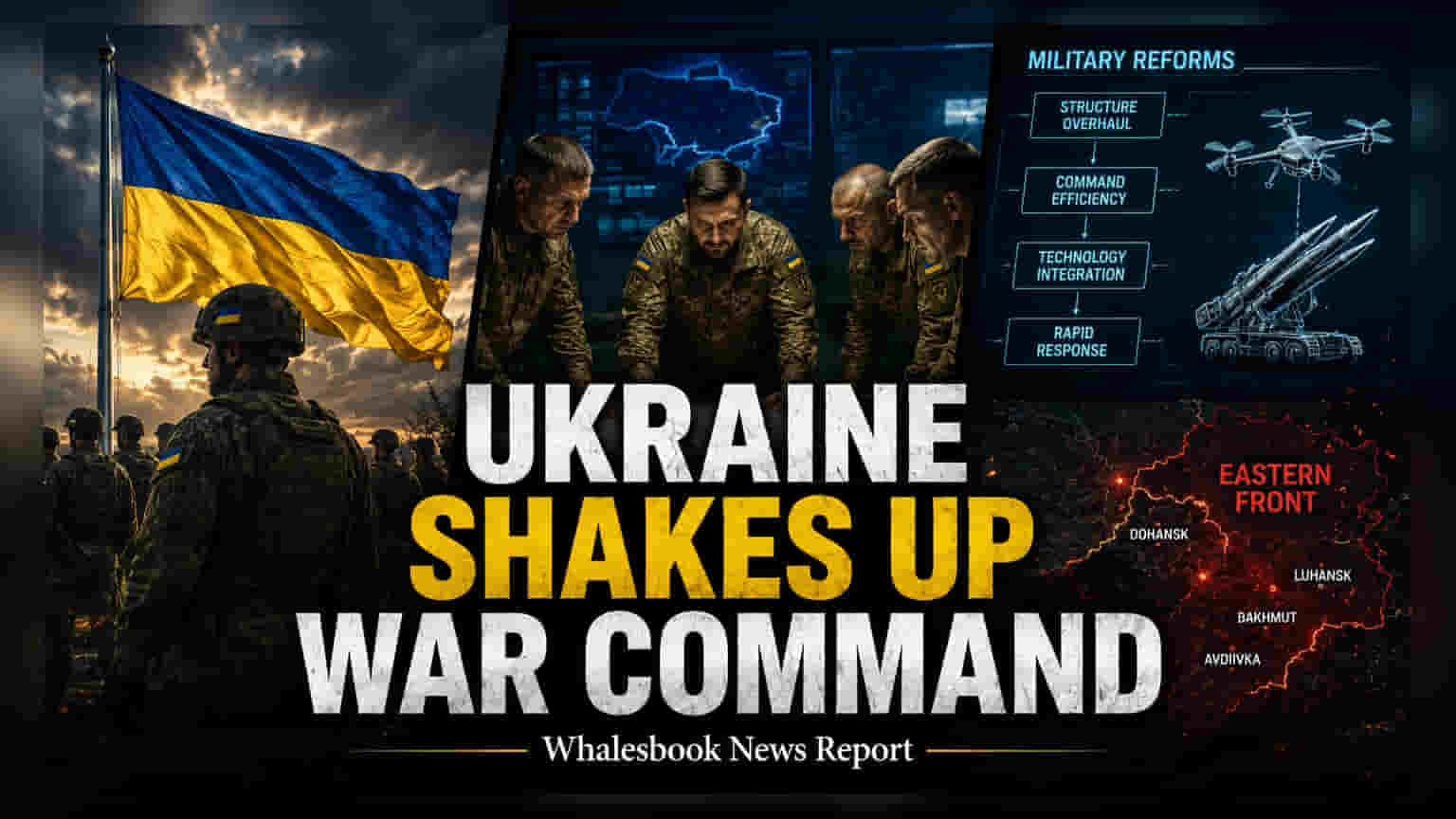
President Zelenskyy has replaced General Oleksandr Syrskyi with Major General Mykhailo Drapatyi as Ukraine’s top military commander. This strategic pivot aims to modernize defense operations and address public pressure during the ongoing conflict with Russia. The shift may influence long-term defense procurement and mobilization strategy as hostilities persist.
Detailed Coverage
President Volodymyr Zelenskyy has officially restructured Ukraine's senior military command, marking a transition in leadership during the ongoing conflict. Major General Mykhailo Drapatyi, aged 43, has been appointed as the new army chief, succeeding 60-year-old General Oleksandr Syrskyi. This transition follows a period of domestic political tension and public demonstrations in Ukraine, which had increasingly questioned the effectiveness of the existing military strategy.
Strategic Shift Toward Modernization
The appointment of General Drapatyi signals a push toward integrating younger leadership into the country’s defense infrastructure. Unlike the previous command, which was largely associated with Soviet-era training models, Drapatyi’s career has developed primarily during the conflict that began in 2014. His primary mandate is to present a modernized defense strategy. This framework is expected to focus on structural reforms within the military corps, expediting the delivery of essential weaponry and drones, strengthening air defense capabilities, and refining the national mobilization process.
Impact of Public Sentiment and Technology Integration
Public pressure served as a catalyst for these administrative changes. There were notable calls from protestors to overhaul the defense sector and incorporate more contemporary leadership figures. As part of this government realignment, reports suggest that President Zelenskyy has reached out to Mykhailo Fedorov, 35, to potentially lead a new government department dedicated to the technology sector. Fedorov has previously been central to Ukraine's digital initiatives, and his potential involvement underscores a broader governmental effort to utilize technological innovation in both defense and economic planning.
Battlefield Dynamics and Economic Consequences
While the leadership changes are significant internally, Russian officials, including Kremlin spokesman Dmitry Peskov, have maintained that these developments will not fundamentally alter the tactical situation along the approximately 1,250-kilometer front line. Russia continues to adhere to its stated objectives regarding the conflict, which include demands for territorial concessions and a reduction in Ukraine’s military capacity.
The economic implications of the ongoing hostilities remain severe. Recent military actions have expanded to include strikes on logistics and commercial infrastructure, such as the targeting of Wildberries warehouses by Ukrainian drones and retaliatory Russian strikes on civilian and logistical facilities in regions like Odesa. These disruptions highlight the persistent risks to infrastructure and supply chains within the region. Investors and observers should continue to monitor how this new military command manages defense resource allocation, potential shifts in foreign military aid logistics, and the overall impact of prolonged instability on the broader regional economic environment.