

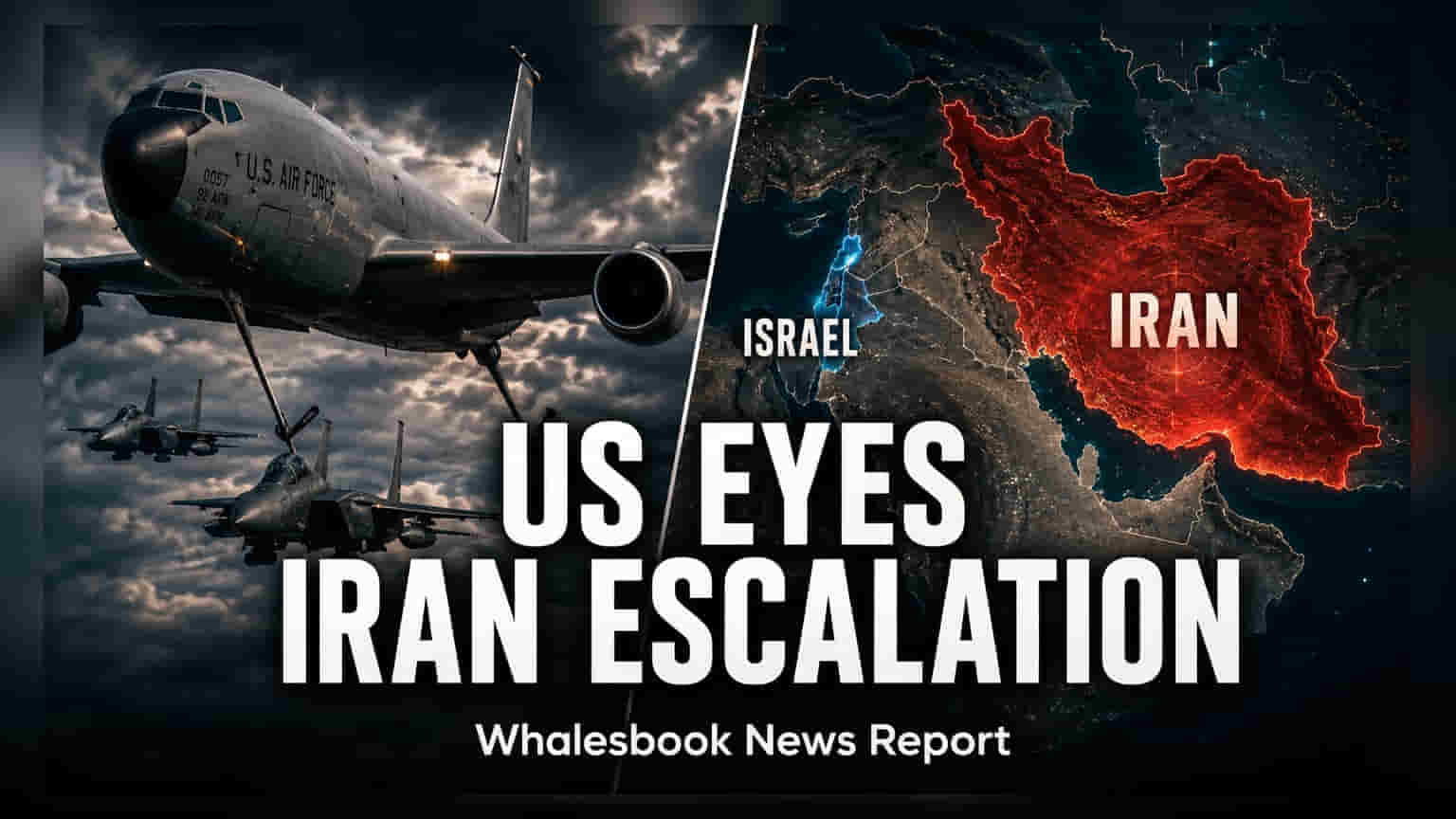
The US is considering a wider military campaign against Iran, including potential strikes on power and nuclear infrastructure. Washington has requested that Israel host dozens of additional aerial refueling aircraft to support these operations. This escalation, if approved, could impact civilian flight operations at major Israeli airports.
The United States is evaluating plans to significantly expand its military operations against Iran, following several days of intense regional conflict. According to reports from official sources, the administration is reviewing options that could move beyond current tactical strikes to target critical Iranian infrastructure, including power plants and nuclear enrichment facilities, such as the site known as Pickaxe Mountain.
To facilitate this potential shift in strategy, the US has formally requested that Israel provide logistical support for additional aerial refueling aircraft. The plan involves moving several dozen tankers to Israel, which would bring the refueling fleet back to the capacity levels maintained at the beginning of the current conflict. Currently, US military assets are already utilizing Ben Gurion International Airport and Ramon Airport for ongoing operations.
Operational Impact and Regional Tensions
These considerations come as military engagements have reached their fifth day. Recent US actions have focused on logistics hubs, including strikes on bridges near Bandar Abbas, which are vital for the Islamic Revolutionary Guard Corps (IRGC). Meanwhile, regional tensions have surged as Iran has reportedly increased its attacks on US military installations across Jordan, Qatar, Bahrain, Iraq, and Kuwait.
Challenges for Israeli Infrastructure
For the Israeli government, the US request presents a complex balancing act. Prime Minister Benjamin Netanyahu is tasked with deciding whether to accommodate the additional aircraft, a move that could place further strain on Israel's transport infrastructure. Ben Gurion Airport is already operating under pressure, and a significant increase in military air traffic could cause disruptions to civilian travel during the peak summer season. The decision will require weighing the necessity of military cooperation against the operational requirements of the country's main aviation hub.
The next critical update for observers will be the formal decision from the Israeli government regarding the basing of these refueling assets. Additionally, markets and regional analysts will be monitoring the scale of any further military action and whether it remains contained or evolves into a broader conflict that could affect energy transit routes or regional economic stability.