

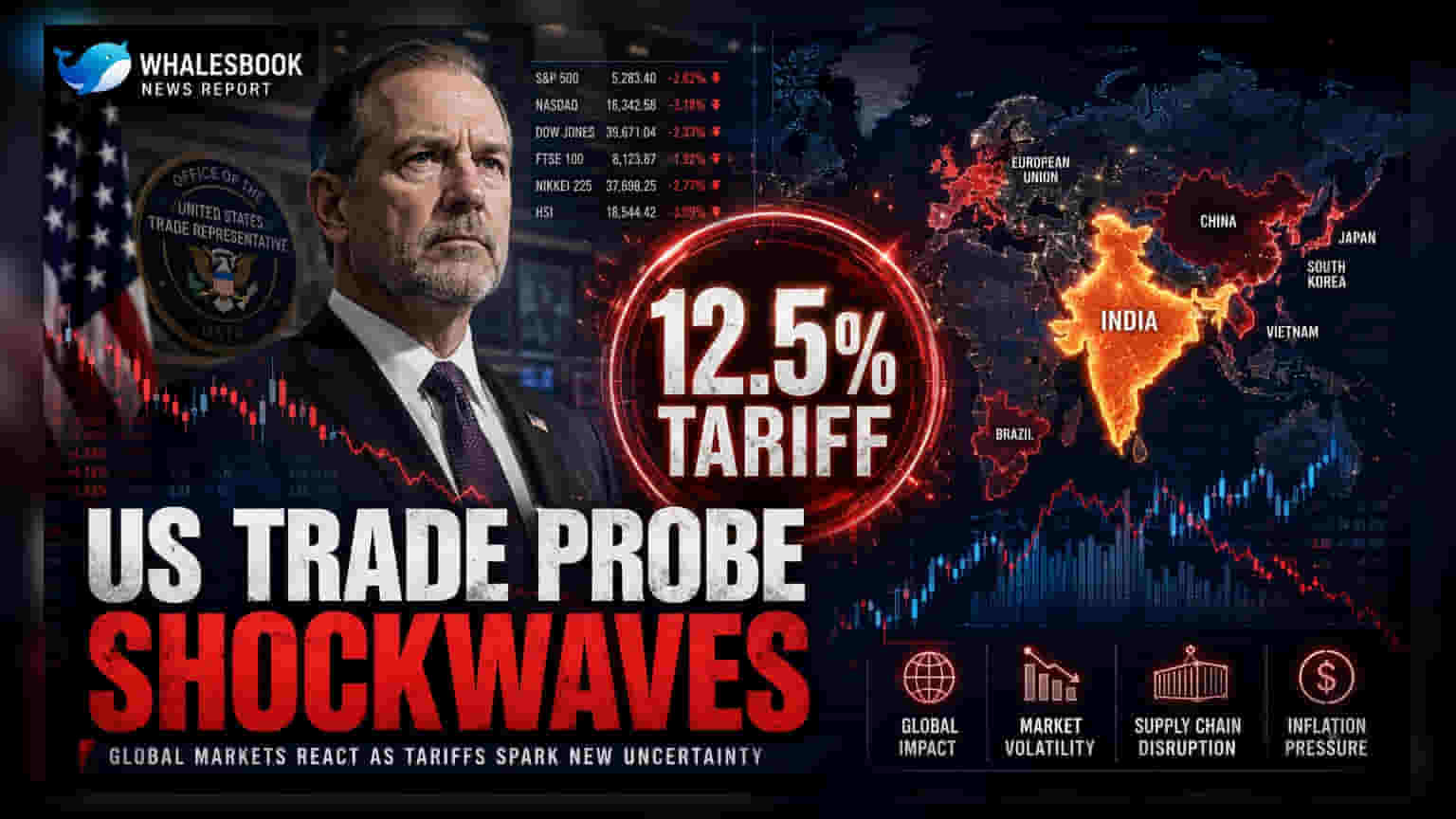
The US Trade Representative is holding hearings on forced labor practices that could lead to new 12.5% tariffs on goods from 60 countries, including India. Indian exporters now face uncertainty as these potential levies threaten to replace current tariffs and impact ongoing bilateral trade negotiations.
Indian exporters and policymakers are closely watching developments from the United States, where the US Trade Representative (USTR) has launched public hearings regarding allegations of forced labor. This investigation, which spans 60 economies including India, carries significant implications for international trade access. The USTR has put forward a proposal to implement a 12.5% tariff on goods from more than 50 nations, citing concerns over the alleged use of forced labor in manufacturing processes.
The Indian government has formally denied these allegations. This regulatory pressure comes at a sensitive time, as the 150-day window for an existing 10% additional tariff, imposed earlier this year, is nearing its expiration date on July 24. There is growing speculation among industry experts that the US may transition from the current 10% levy to the proposed 12.5% structure linked to the forced labor investigation.
Bargaining Tools and Trade Negotiations
Beyond the forced labor probe, the USTR is also conducting a separate investigation into structural excess capacity across several global industrial sectors. Analysts suggest that this second probe may be used by US policymakers as a strategic bargaining tool during ongoing discussions for bilateral trade deals. India has been actively engaging in ministerial-level talks with the US to solidify a phase-one framework agreement. However, the final nature of these trade relations remains tied to the upcoming decisions regarding these tariff structures.
For Indian companies, the competitive landscape is a primary concern. Exporters are particularly focused on maintaining their edge against manufacturing rivals in nations such as China, Vietnam, Bangladesh, and members of the ASEAN bloc. If the 12.5% tariff is applied broadly across competing nations, it may create a level playing field compared to the current scenario, though it also increases the overall cost of exporting to the US market.
What Investors Should Monitor
Investors with exposure to export-oriented sectors, particularly textiles, apparel, and labor-intensive manufacturing, should track the conclusion of the USTR hearings and any subsequent announcements regarding the tariff transition. The core monitorable is whether the US administration chooses to replace the expiring 10% tariff with the new 12.5% proposal or opts for a different mechanism. Any prolonged uncertainty or the implementation of higher levies could affect profit margins for Indian exporters who may be unable to pass on these increased costs to US buyers. The status of the structural overcapacity investigation and its impact on the final trade deal framework will also be critical indicators of future export competitiveness.