

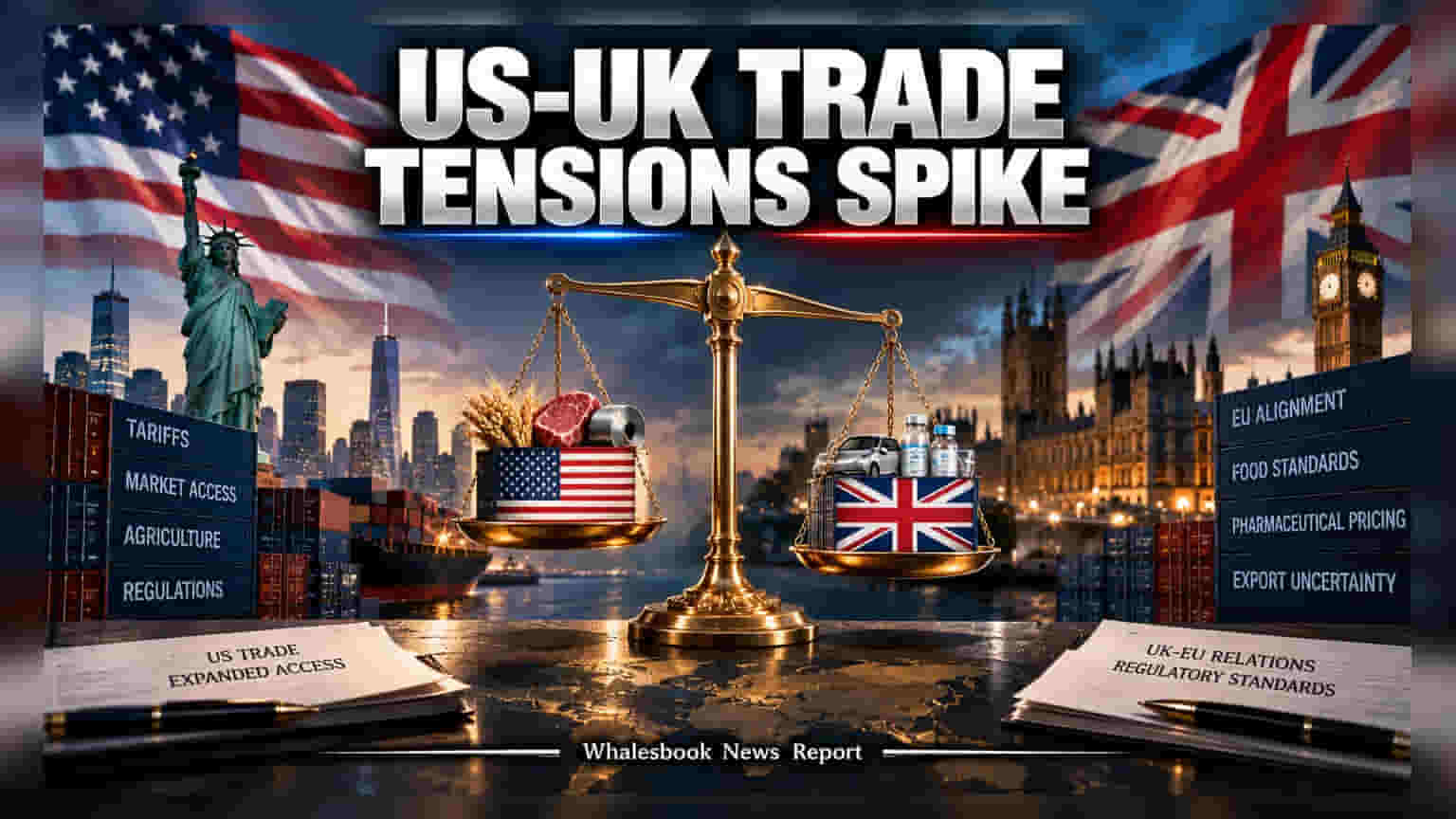
Washington has expressed frustration over the UK's regulatory alignment with the European Union, signaling that it creates hurdles for future trade deals. This diplomatic friction adds uncertainty to the UK's economic recovery strategy under Prime Minister Andy Burnham, potentially impacting key sectors like agriculture and manufacturing.
US Trade Representative Jamieson Greer has issued a sharp critique regarding the UK’s current trade policy, warning that London’s preference for aligning with European Union regulations is hindering the expansion of trade relations with Washington. This friction highlights a growing divide between the UK’s post-Brexit economic strategy and American expectations for market access.
At the heart of the disagreement is the UK’s ongoing effort to rebuild ties with the European Union under Prime Minister Andy Burnham. While the British government views closer relations with Brussels as a vital step toward economic recovery, the US perspective is that this approach ignores the potential for more open trade with the United States. Greer specifically pointed out that the UK has not fully utilized the freedom to diverge from EU standards, a move Washington had anticipated would make it easier to trade goods and services.
This diplomatic challenge comes after the two nations established a limited trade framework in May 2025, which focused on reducing tariffs on specific items like luxury vehicles and industrial metals such as steel and aluminum. However, US negotiators are now pushing for wider access to the UK market, particularly in sensitive sectors such as agriculture, including US beef and ethanol. The British administration has countered that any changes to import standards will not compromise existing food safety regulations, a balancing act that continues to draw criticism from both domestic skeptics and American trade officials.
The uncertainty surrounding these trade negotiations is a point of concern for investors. The UK economy relies heavily on exports, and any shift in trade policy—or a failure to secure a broader free trade deal—could impact companies that depend on smooth transatlantic access. Additionally, there is domestic pressure regarding pharmaceutical pricing and the cost of maintaining EU-aligned standards, which may complicate the government's fiscal choices.
For investors, the most significant risk is the potential for trade friction to evolve into broader tariff disputes or regulatory barriers that could disadvantage British companies operating in the US. If the UK remains locked into EU norms, it may struggle to secure the concessions Washington is demanding, potentially leading to a prolonged period of trade uncertainty.
The next important developments for market participants to monitor will be the outcome of upcoming UK-EU summits and any further statements from the US trade office regarding potential tariff adjustments or specific trade barriers. The stability of the British pound and the performance of UK manufacturing and export sectors may also reflect the changing sentiment regarding these bilateral trade negotiations.