

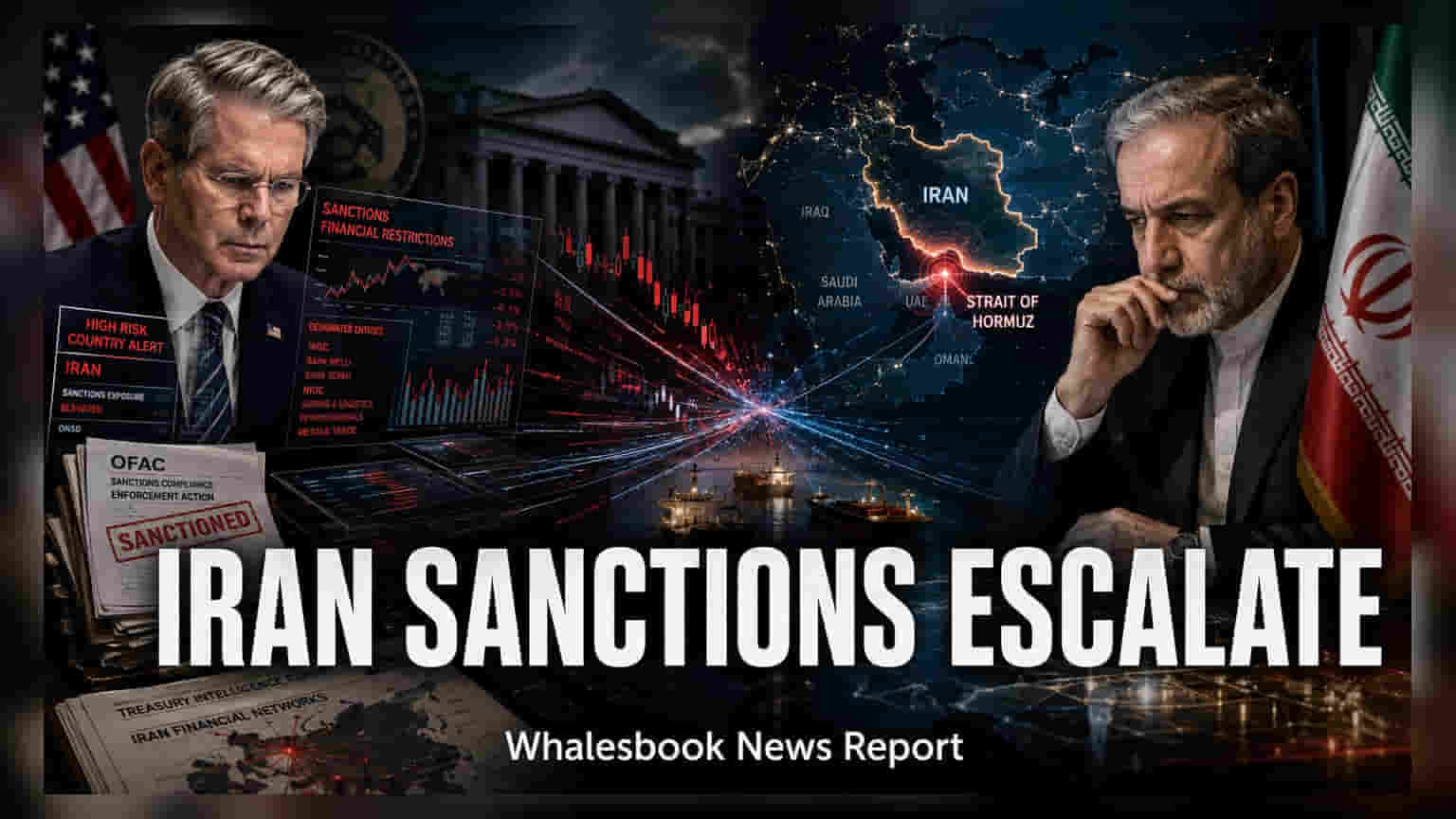
The Trump administration has shifted from military action to a strict economic strategy against Iran, known as 'Operation Economic Fury.' This policy, combined with stalled diplomatic talks over conflict compensation, is fueling uncertainty in global energy markets and raising concerns over the security of the Strait of Hormuz, a critical oil transit route.
The United States government has officially pivoted its strategy regarding Iran, moving away from direct military strikes toward an intensive economic warfare campaign. This initiative, titled 'Operation Economic Fury,' was launched in April 2026 and currently serves as the primary tool to pressure Tehran into ending its nuclear program and securing the Strait of Hormuz. The administration describes this approach as a financial equivalent to a bombing campaign, aiming to deplete Iran's national resources through a combination of trade sanctions, naval blockades, and financial restrictions.
The Impact on Global Energy Markets
The ongoing conflict is creating volatility in global energy markets, which is a major concern for energy-importing nations, including India. The Strait of Hormuz, a narrow waterway that serves as a vital transit point for approximately one-fifth of the world’s oil supply, remains the focal point of these tensions. Any disruption in this route can lead to immediate spikes in crude oil prices, which directly impacts inflation and the cost of doing business for energy-heavy industries.
Investors are closely monitoring the situation as diplomatic efforts appear to have reached a stalemate. As of August 11, 2026, negotiations have stalled following new demands from the US for broader conflict compensation from Iran. This lack of a diplomatic breakthrough increases the risk of a prolonged period of high energy prices, as global markets tend to price in the risk of supply interruptions whenever tensions in this region rise.
Financial Risks and Secondary Sanctions
Beyond direct energy costs, the strategy includes the aggressive use of secondary sanctions. These are measures that penalize third-party countries, banks, and corporations that continue to facilitate financial transactions or oil sales with Iran. For international investors, this adds a layer of regulatory risk. Companies with global footprints may face difficult compliance choices if they have business dealings in regions where the US is actively enforcing these trade restrictions.
This policy environment creates uncertainty for companies in the logistics, shipping, and energy sectors. If the US sustains this pressure, global oil supplies could remain under tight constraints, forcing energy companies to account for higher insurance and freight costs for tankers navigating the region.
Monitorables for Investors
The effectiveness of 'Operation Economic Fury' remains a key uncertainty. Treasury Secretary Scott Bessent has positioned this initiative as a long-term tool, but history suggests that economic sanctions can take significant time to alter the behavior of a sovereign state. Investors should track the stability of oil prices and any updates regarding diplomatic talks. If the blockade of Iranian ports continues or intensifies, the primary risk for markets will be a persistent rise in energy costs, which could affect the profit margins of manufacturers and transport companies globally.