

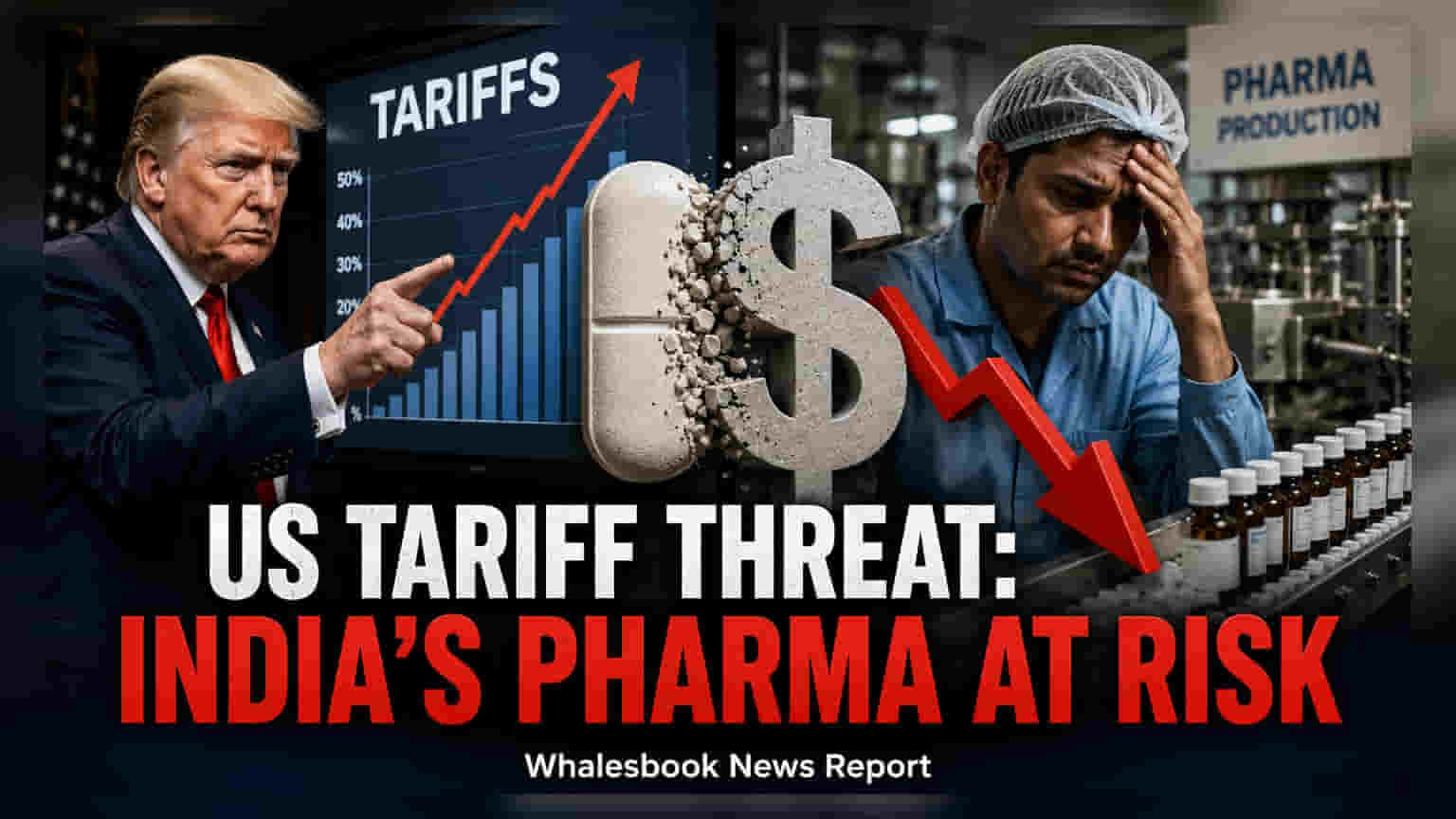
The US has proposed a phased tariff plan for generic drugs, potentially reaching 200% by 2029, to encourage domestic manufacturing. While Indian pharma firms currently supply 40% of US generics, the two-year window offers a critical period for these companies to adapt their supply chains and diversify global markets.
Detailed Coverage
The United States government has announced a new phased tariff policy targeting imported generic drugs, a move that directly impacts the Indian pharmaceutical industry. The plan begins with a two-year tariff-free window starting August 1, 2026, followed by a gradual escalation to 100% and eventually 200% duties. This policy aims to incentivize pharmaceutical companies to establish and expand manufacturing operations within American borders.
Implications for Indian Pharmaceutical Exports
The US market is the primary export destination for India's pharmaceutical sector, representing roughly one-third of total exports. Indian manufacturers currently play a major role in the American healthcare system by providing approximately 40% of the generic drugs consumed in the country. Industry experts view this policy as both a strategic negotiating tactic and a push for the reshoring of essential drug production. The challenge for US-based manufacturing is the significant cost efficiency and supply chain infrastructure that India has built over decades, which is difficult to replicate in the short term, particularly for low-margin generic medications.
Strategic Shifts and Corporate Responses
Companies are now facing pressure to re-evaluate their reliance on the US market. Experts suggest that a multi-pronged approach will be necessary to navigate these potential changes. This includes moving toward the production of complex generics and biosimilars, which often command higher margins and are less susceptible to basic commodity tariff pressures. Furthermore, firms are exploring opportunities to expand their footprint in other regions, such as Europe, Latin America, and Africa, to reduce geographical concentration risk.
Domestic Market and Competition
If the proposed tariffs are fully implemented, there is a risk of margin pressure for Indian exporters who cannot easily absorb such high costs. In response, some firms may choose to pivot their capacity toward the Indian domestic market. While this could lead to increased supply and potentially lower prices for domestic patients, it may also trigger more aggressive competition among Indian manufacturers, favoring those with greater scale, established brands, and efficient logistics.
Financial and Operational Risks
For investors, the primary concern remains the potential for long-term margin erosion if these tariffs proceed as planned. Because the generics industry operates on thin margins, absorbing significant import duties is financially difficult. Additionally, the policy may increase costs for American healthcare providers and consumers, which could alter demand patterns. The next phase for investors to track involves how individual companies allocate capital, whether through setting up manufacturing units in the US or diversifying their product mix, and how they manage their exposure to the US market during the initial two-year grace period.