

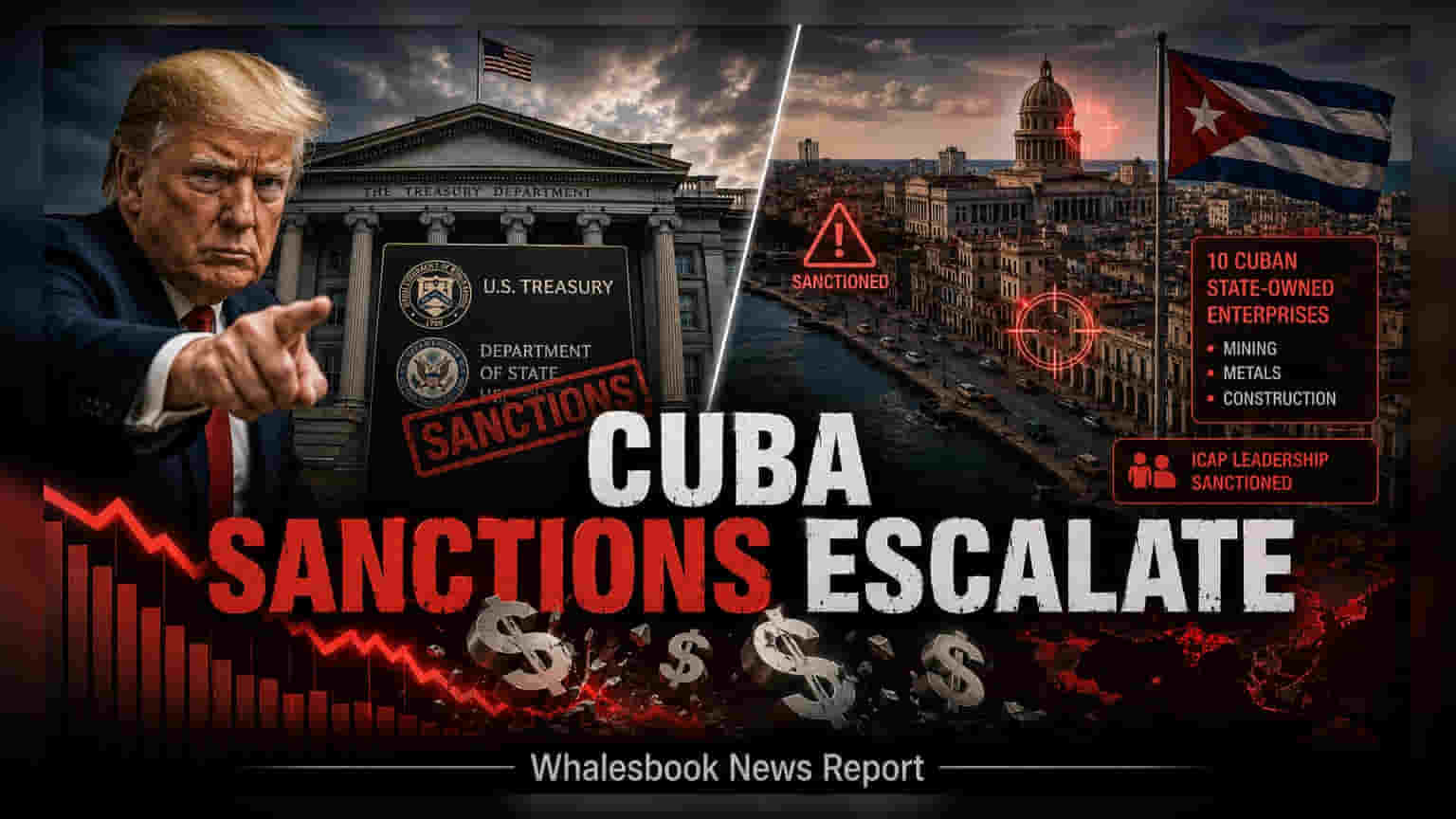
The US government has imposed fresh sanctions on 10 Cuban state-owned entities across the mining, metal, and construction sectors, along with the leadership of the Cuban Institute of Friendship with the Peoples (ICAP). This move tightens the ongoing economic pressure on Havana. For global investors, these measures raise compliance risks for multinational companies, particularly regarding secondary sanctions and potential restrictions on business dealings with designated entities.
On August 20, 2026, the US Department of the Treasury and the State Department announced a new set of economic sanctions targeting 10 Cuban state-owned enterprises. These entities are primarily engaged in the mining, metal, and construction industries. In addition to these companies, the US has sanctioned the leadership of the Cuban Institute of Friendship with the Peoples (ICAP). Secretary of State Marco Rubio alleged that ICAP has been involved in supporting networks within the United States, which the administration claims are intended to influence American public opinion and foster dissent.
Economic Context and Background
This action is part of the US administration's broader policy of increasing economic pressure on the Cuban government. The island nation is already grappling with a significant economic crisis, characterized by frequent national blackouts and severe fuel shortages. This internal economic stress has been worsened by the decline in oil imports, particularly following the loss of supplies from Venezuela and the enforcement of US-led naval blockades. The administration’s stated goal is to restrict the flow of capital to the Cuban state, aiming to limit the government's resources through these targeted penalties.
Implications for Global Business
For investors and companies with international operations, this development is a reminder of the heightened compliance environment. US sanctions often come with secondary implications, meaning that foreign financial institutions and companies that engage in significant transactions with designated Cuban state entities may face legal and financial risks themselves.
Multinational firms that have partnerships or supply chain connections in the region must now carefully review their exposure to these 10 newly sanctioned entities. The risk of asset freezing and blacklisting applies not just to the sanctioned firms, but potentially to foreign entities that facilitate trade or financial services for them.
What Investors Should Monitor
As the situation evolves, the primary focus for market participants and global businesses will be the enforcement level of these new penalties. Investors should track whether these measures lead to further isolation of the Cuban economy or if they trigger retaliatory diplomatic moves. Furthermore, companies with exposure to the Caribbean mining or construction sectors should assess their counterparty risks to ensure they remain in compliance with updated US trade regulations. The humanitarian and energy situation in Cuba remains another key factor that could influence regional stability and the overall investment climate in the region.