

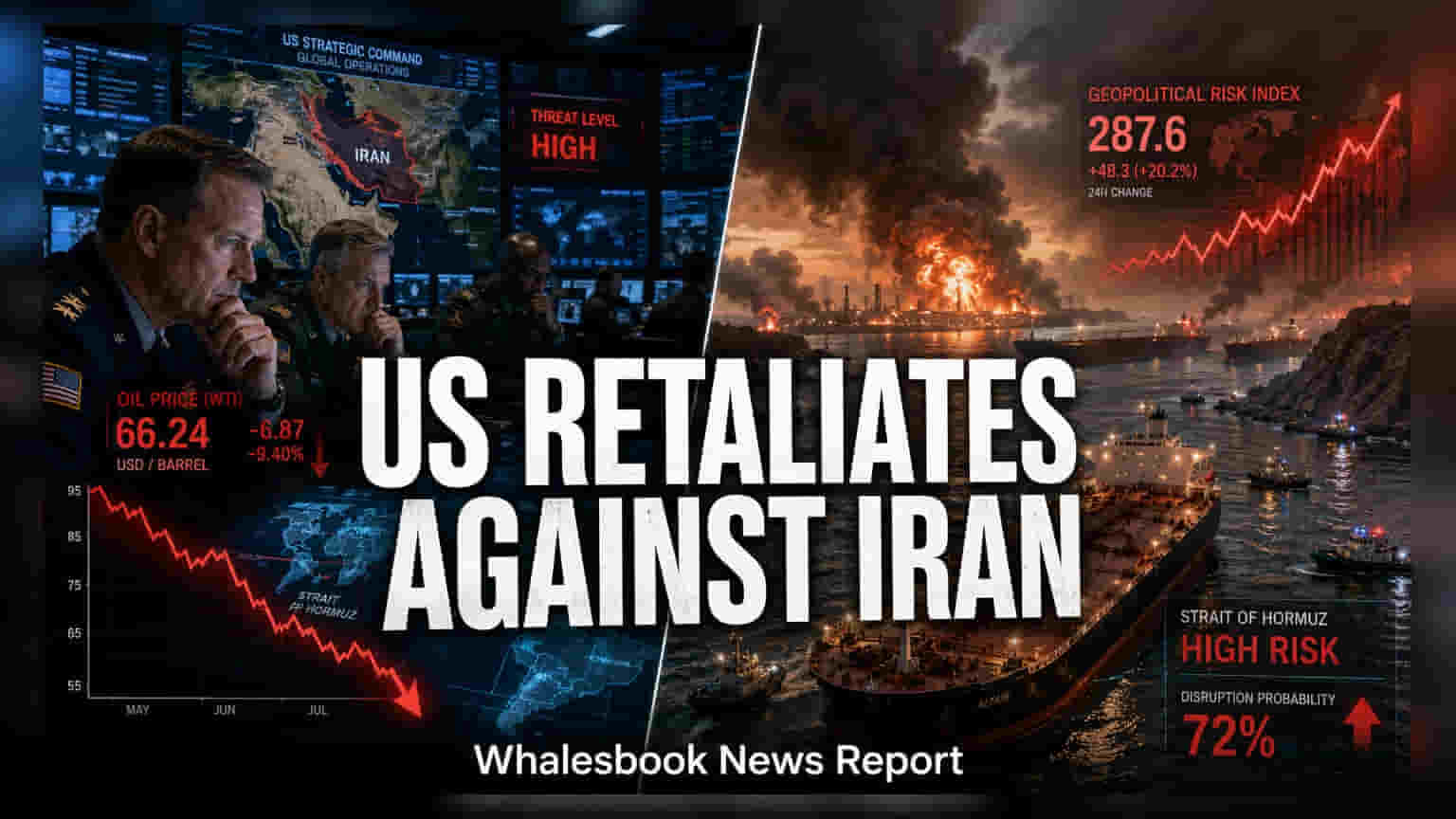
The US military has launched airstrikes against Iran’s Revolutionary Guard following a fatal attack on American troops in Jordan. The move intensifies regional instability, particularly near the Strait of Hormuz, a critical global oil trade chokepoint. Investors are monitoring the situation as rising geopolitical friction risks disrupting energy supply chains and impacting global commodity prices.
The United States military has initiated retaliatory strikes targeting the Iranian Revolutionary Guard, responding to a deadly drone and missile attack on a US base in Jordan. This escalation marks a significant increase in direct military friction between the two nations, following the first confirmed American troop fatalities from an attack linked to Iranian-backed forces in the region.
Impact on Global Energy Routes
Beyond the immediate geopolitical concerns, the focus on the Strait of Hormuz is highly significant for the global economy. This narrow waterway is a vital chokepoint for international energy markets, historically accounting for approximately 20% of the world's total oil supply. Any military activity or threats to vessel transit in this region typically triggers volatility in global crude oil prices, which directly affects the operating costs for energy-intensive sectors, including transportation, chemicals, and manufacturing in India.
Escalation and Diplomatic Breakdown
The strikes occurred after Iran’s leadership warned of retaliatory consequences and announced the suspension of commitments related to an interim diplomatic deal. This collapse of diplomatic channels, combined with ongoing drone activity near Irbil, Iraq, suggests that the current instability may be prolonged. For investors, these developments raise the risk of supply chain disruptions and increased insurance premiums for maritime trade, which can lead to inflationary pressure on imported commodities like crude oil and natural gas.
Investor Monitorables
Indian investors should track the movement of international crude oil prices, as sustained volatility or spikes often influence domestic fuel pricing, the country’s current account deficit, and the profit margins of oil marketing companies. Additionally, firms with significant export or import exposure to the Middle East may face logistical hurdles if maritime security in the region remains compromised. The situation remains fluid, and the primary monitorable for the markets will be whether these military actions remain contained or if they lead to broader regional disruptions that further impact global energy logistics.