

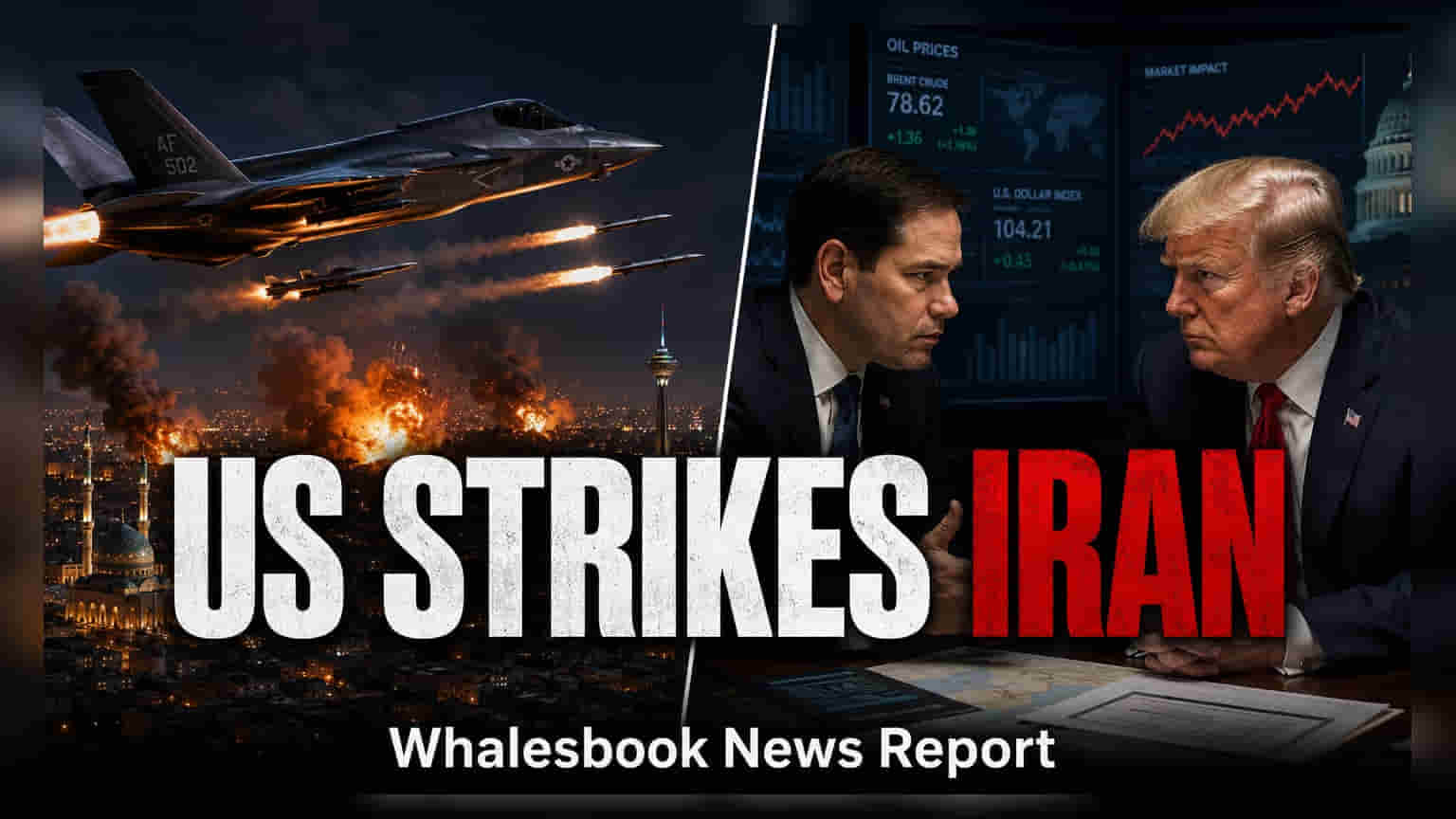
The United States conducted its fifth consecutive night of military strikes against Iranian facilities near the port city of Bandar Abbas. While military operations continue to target Iranian military infrastructure, the White House stated that diplomatic discussions for an agreement remain ongoing. Investors may track crude oil prices and shipping insurance costs as tensions remain high near the key Strait of Hormuz.
The United States military continued its campaign against Iranian forces on Thursday, marking the fifth consecutive night of operations. According to a statement from U.S. Central Command, the strikes began at 2 p.m. ET (1800 GMT), with the declared goal of reducing Iran's military capabilities. Iranian state media reported that projectiles impacted areas in and around Bandar Abbas, which is a major southern port city located at the entrance to the Strait of Hormuz.
Impact on Global Trade Routes
The Strait of Hormuz is one of the world's most critical maritime chokepoints, as a significant portion of the world's oil supply passes through this narrow waterway. Any military escalation in this region naturally creates concern for global energy markets and supply chains. While there have been no confirmed reports of damage to commercial vessels or specific infrastructure outside of the targeted military sites, any disruption to transit through the Strait could lead to volatility in crude oil prices and increased shipping costs due to higher insurance premiums.
Status of Diplomatic Channels
Despite the sustained military activity, the White House has maintained that back-channel communication with Tehran has not stopped. White House Press Secretary Karoline Leavitt stated that Iran continues to participate in talks and has signaled an interest in reaching an agreement. The administration attributes this willingness to engage in diplomacy partly to the pressure created by the ongoing military actions.
For investors, the situation remains fluid. The primary factor to monitor is the stability of energy supply chains passing through the Persian Gulf. Market analysts will watch for any official updates regarding damage to civilian energy infrastructure or further disruptions to maritime traffic. While diplomatic efforts are reportedly continuing, the immediate investor focus remains on potential fluctuations in energy prices and the broader geopolitical risk premium that often follows sustained military conflicts in oil-producing regions.