

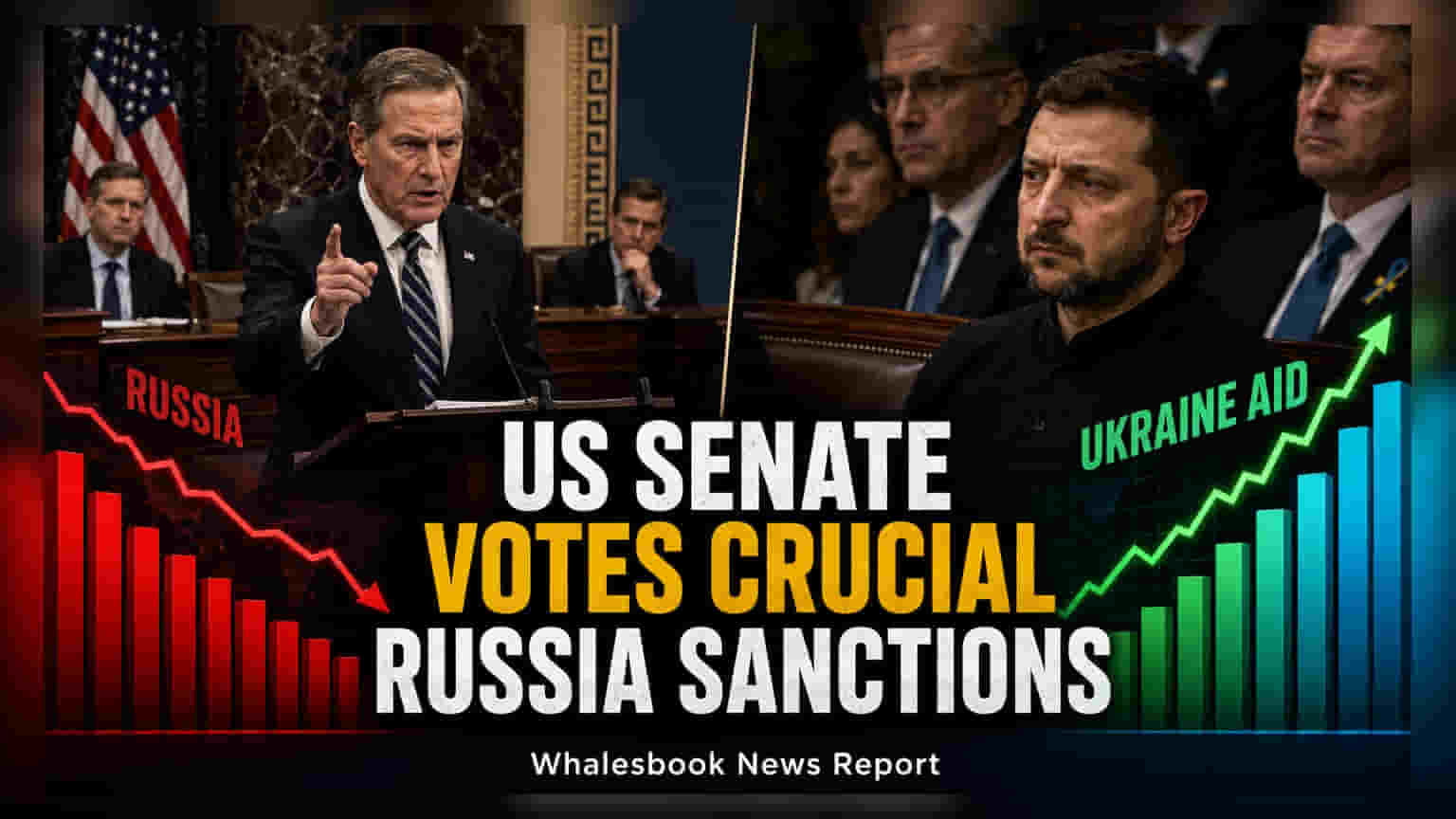
The US Senate has advanced a sanctions bill targeting countries that continue to import Russian oil and gas. The legislation, which passed a procedural vote 86-12, aims to curb Moscow's war funding. This could impact major energy importers if the US chooses to implement tariffs under the proposed five-year framework.
The United States Senate has moved closer to passing a significant sanctions package designed to weaken the Russian economy. The proposed legislation focuses on penalizing nations that maintain energy trade ties with Russia, specifically targeting the purchase of oil and natural gas. The procedural vote, which saw strong bipartisan support with a margin of 86-12, indicates a unified legislative effort to restrict the revenue Moscow generates from its energy exports.
At the core of the bill is a five-year strategy that grants the US President the authority to impose tariffs on the top five global importers of Russian energy. While the legislation names major economies, including India and China, as primary targets, it also provides specific mechanisms for waivers. Nations that import minimal amounts of Russian gas or demonstrate clear, ongoing efforts to reduce their dependence on these energy sources may be granted exceptions to these trade penalties.
The bill also addresses common methods used to bypass current restrictions. It specifically targets the practice of using older, reflagged tankers to transport oil, an activity often used to disguise the origin of energy shipments and maintain revenues despite global sanctions. Additionally, the legislation seeks to broaden the scope of existing restrictions to include senior Russian officials, specific financial institutions, and major energy infrastructure projects.
While the bill has gained momentum, it has also sparked internal debate within the US regarding the extent of executive power. Some lawmakers have raised concerns about granting the President broad authority to levy tariffs, pointing to the potential for negative economic consequences and market instability. These discussions focus on finding a balance between using economic pressure as a geopolitical tool and protecting global trade stability. For international observers and market participants, the next critical steps will be the final Senate floor vote and the potential for diplomatic negotiations between the US and the identified importing nations regarding the waiver criteria.