

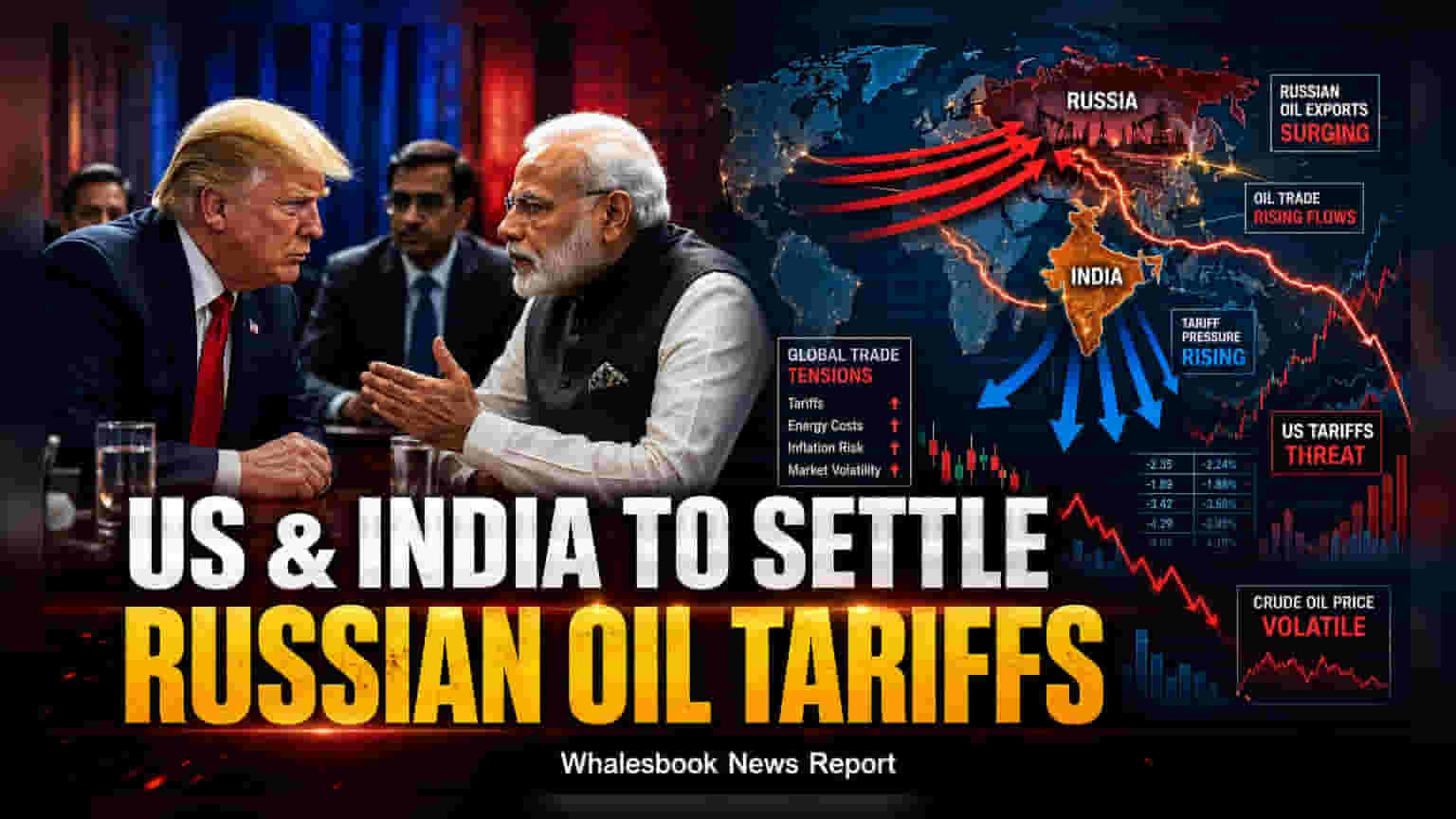
The US Senate’s recent passage of the 'Lindsey O. Graham Sanctioning Russia and Iran Act of 2026' has spotlighted potential tariffs on countries importing Russian energy. While the bill could allow up to 100% tariffs, US officials suggest a diplomatic resolution is likely. Indian investors are monitoring the situation for its potential impact on energy costs and trade stability.
The U.S. Senate passed the 'Lindsey O. Graham Sanctioning Russia and Iran Act of 2026' on August 7, 2026, with an 86-11 vote. This bipartisan legislation includes provisions that grant the U.S. President the authority to impose tariffs of up to 100% on goods from nations that continue to import Russian oil and gas. For India, which has significantly increased its procurement of discounted Russian crude oil since 2022 to maintain energy security, this development has introduced a new layer of uncertainty in international trade relations.
Following the vote, White House Trade Adviser Peter Navarro stated on August 12, 2026, that President Donald Trump and Indian Prime Minister Narendra Modi have a strong working relationship and will likely resolve the tariff concerns independently. This comment has offered some reassurance to the markets, suggesting the threat of tariffs may be used as a tool for diplomatic leverage in trade negotiations rather than an immediate economic penalty. The bill is currently pending consideration by the U.S. House of Representatives and has not yet become law.
Economic Implications for India
The reliance on affordable Russian crude has helped Indian refiners manage domestic fuel costs and navigate global market volatility. Analysts note that any forced reduction in these imports could disrupt energy security and potentially increase India's current account deficit. If India were required to source oil from alternative, more expensive routes, it could lead to higher raw material costs for the country's oil marketing companies. Such a shift would likely fuel domestic inflation, as energy prices are a key input cost across various industrial sectors.
Investors are also evaluating the risk that this legislative threat could be used as a bargaining chip to secure favorable terms for the U.S. in other areas of bilateral trade, such as agriculture or dairy market access. The potential for 'asymmetric' negotiations remains a point of concern for sectors that may be impacted by any trade-off to secure exemptions from these energy-related tariffs.
Monitoring Next Steps
For the Indian market, the immediate monitorable is the progress of the legislation through the U.S. House of Representatives. While diplomatic channels are open, the legislative framework creates a backdrop of uncertainty. Investors may track official statements from both governments regarding trade agreements, as any formal resolution or exemption will be critical to stabilizing expectations for the energy and trade sectors. As the bill moves forward, market sentiment will likely respond to how the administration balances the enforcement of the act against the strategic necessity of maintaining strong trade ties with India.