 Whalesbook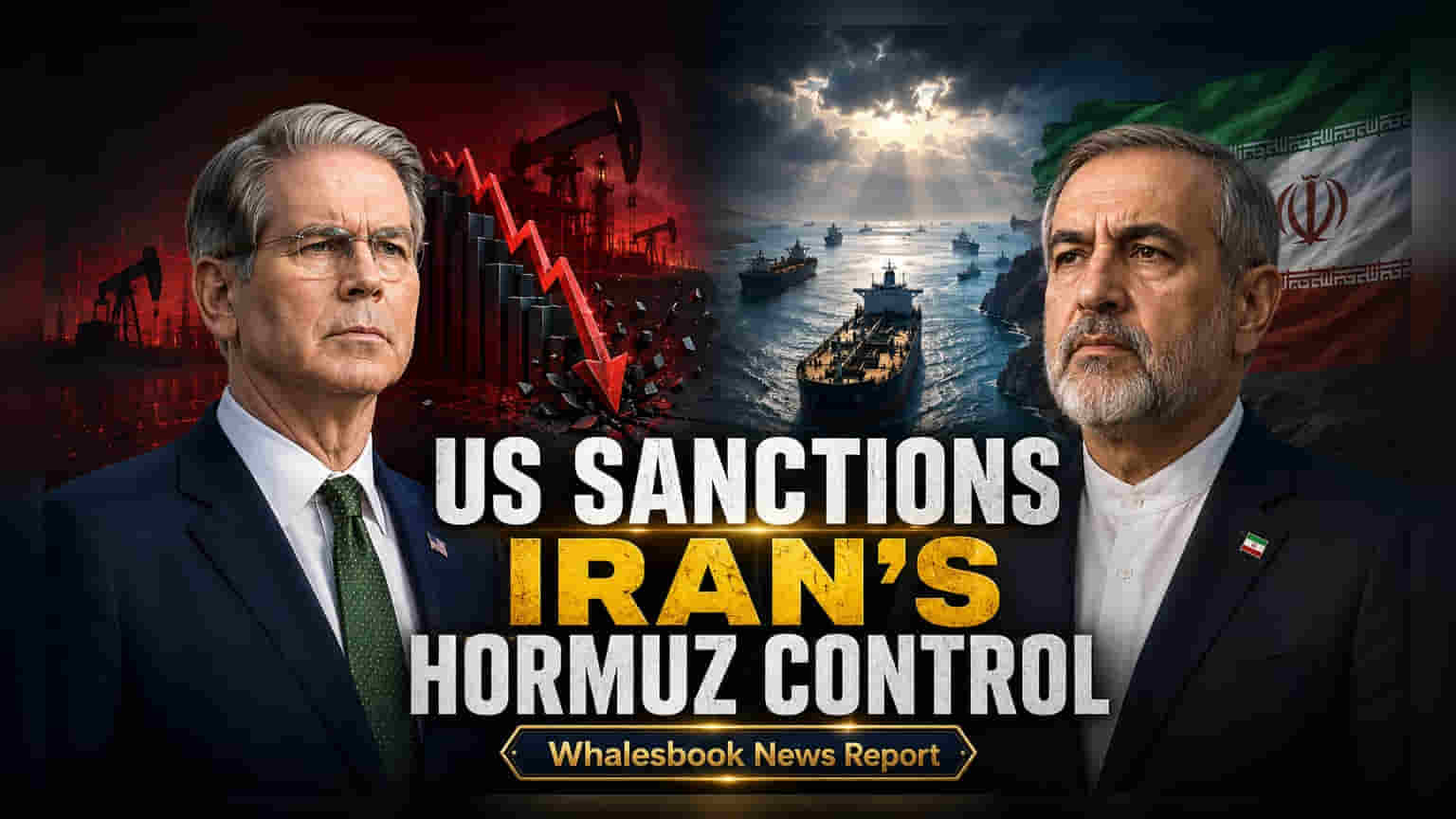


The Economic Chokepoint
The imposition of sanctions against the Persian Gulf Strait Authority marks a shift from broad economic pressure to the protection of specific logistical infrastructure. By attempting to formalize a toll-collection mechanism, the newly formed Iranian agency sought to establish a state-sanctioned mechanism to monetize transit through the Strait of Hormuz. Treasury officials identified this move as a strategic effort to offset the revenue losses incurred from the broader US blockade of Iranian port operations. For global markets, this represents a persistent risk premium on energy futures, as any move to enforce these tolls essentially mandates a de facto tax on nearly 20% of the world’s daily petroleum consumption.
Market Sensitivity and Energy Volatility
Energy markets remain hyper-sensitive to events in the Strait of Hormuz due to the lack of viable alternative export routes for Persian Gulf producers. Historical data indicates that whenever geopolitical posturing in this waterway escalates, the WTI and Brent crude benchmarks react with sustained upward volatility, often outpacing general inflation indices. Unlike previous cycles where the primary threat was the physical closure of the strait, the current challenge involves the potential for asymmetric maritime harassment. Shipping conglomerates have already begun to factor in higher insurance premiums, known as War Risk Surcharges, which are directly correlated to the frequency of drone incidents and military rhetoric from the Revolutionary Guard. Investors should anticipate margin pressure on tanker operators if these security costs are not fully passed down to end-users.
The Forensic Risk Analysis
Structural weaknesses in this geopolitical stand-off remain significant. While the administration claims that a resolution is imminent, the reliance on volatile negotiations creates a binary outcome for energy-linked equities. Should the current deal collapse, the secondary sanctions could force a total withdrawal of Western insurance providers from the region, effectively idling a massive portion of the tanker fleet. Furthermore, the Iranian fiscal position is increasingly reliant on these shadow-economy maneuvers, making the country less likely to concede on maritime authority regardless of diplomatic optics. Analysts note that previous instances of such sanctions led to a prolonged period of 'dark shipping,' where vessels disable transponders to bypass oversight, significantly increasing the probability of major maritime accidents and environmental liabilities that remain unpriced by current market valuations.
Future Outlook and Sector Implications
Moving forward, market participants are monitoring the intersection of US naval deployments and insurance coverage availability. If the sanctions fail to deter the implementation of the Persian Gulf Strait Authority, the volatility in energy-related shipping tickers will likely intensify. Consensus among sector analysts suggests that unless the diplomatic channel produces a definitive agreement on maritime security, the current baseline of elevated insurance costs will become a structural fixture rather than a transitory expense for global trade.