

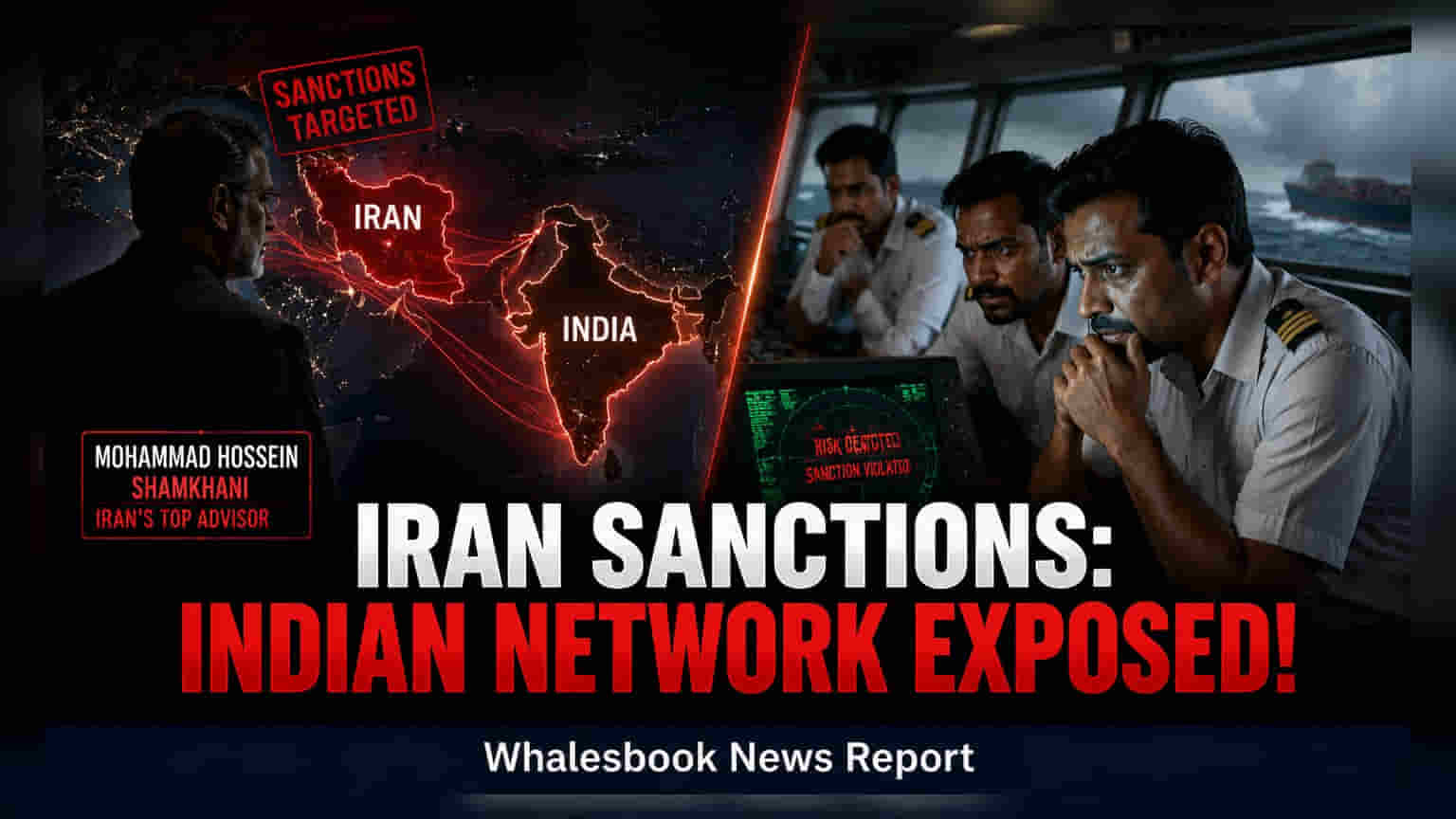
New US Treasury sanctions have identified four Indian companies and several individuals allegedly tied to an Iranian-led illicit shipping network. These actions focus on the transport of Iranian and Russian oil, raising concerns for over 18,000 Indian seafarers working in the Persian Gulf. India's Ministry of Ports, Shipping and Waterways has initiated monitoring measures to ensure the safety of these crews amid rising geopolitical risks.
The U.S. Treasury Department has expanded its sanctions against a global logistics network allegedly managed by Mohammad Hossein Shamkhani, bringing increased scrutiny to India-linked entities and personnel. These sanctions, announced in recent months, identify several Mumbai and Chennai-based companies and individuals accused of helping move Iranian and Russian oil in violation of U.S. policy. The U.S. government characterizes this network as a significant financial source for the Iranian regime, utilizing complex webs of front companies to obscure cargo origins.
Impact on Indian Shipping Interests
The designations specifically include Mumbai-based Fleet Tanqo Private Limited and the Chennai office of House of Shipping Private Limited. Additionally, Sea Lead Shipping Agency, which maintains links to Mumbai, was identified as part of the broader containerized shipping operations within the network. These sanctions often lead to the freezing of assets within U.S. jurisdiction and restrict the ability of these entities to transact with the global financial system. The U.S. Treasury has also named Indian nationals, including Chetan Prakash Balhotra, Tanjore Sunilkumar Srinivas, Jijin George, and Gautam Vishavdeep, for their alleged roles in managing these operations and vessel coordination.
For the broader maritime sector, the most significant risk lies in the increased scrutiny of vessels operating near the Strait of Hormuz. Compliance checks, port entry restrictions, and heightened surveillance by international authorities could disrupt legitimate trade routes. The presence of over 18,000 Indian seafarers in this region makes the situation particularly sensitive, as crews often have limited control over the operational or financial decisions of the vessel owners or charterers.
Regulatory and Safety Measures
Recognizing the potential for operational delays and security threats, India’s Ministry of Ports, Shipping and Waterways has launched a 'Seafarer-First' initiative. This program focuses on tracking Indian crews aboard vessels operating in the Persian Gulf to ensure their welfare. The government is using a real-time monitoring dashboard and appointing liaison officers to assist affected seafarers. The primary goal is to provide a safety net for workers who may find themselves stranded or caught in administrative hold-ups due to the sanctioned status of their employers or the vessels they serve.
Investors and stakeholders in the maritime logistics sector should monitor the progress of these sanctions and any further regulatory compliance requirements issued by the Indian government. The ability of the affected companies to navigate these legal challenges, and the potential for wider disruption to regional shipping, will be important factors to track as the U.S. continues its campaign to dismantle the financial infrastructure of the network.