

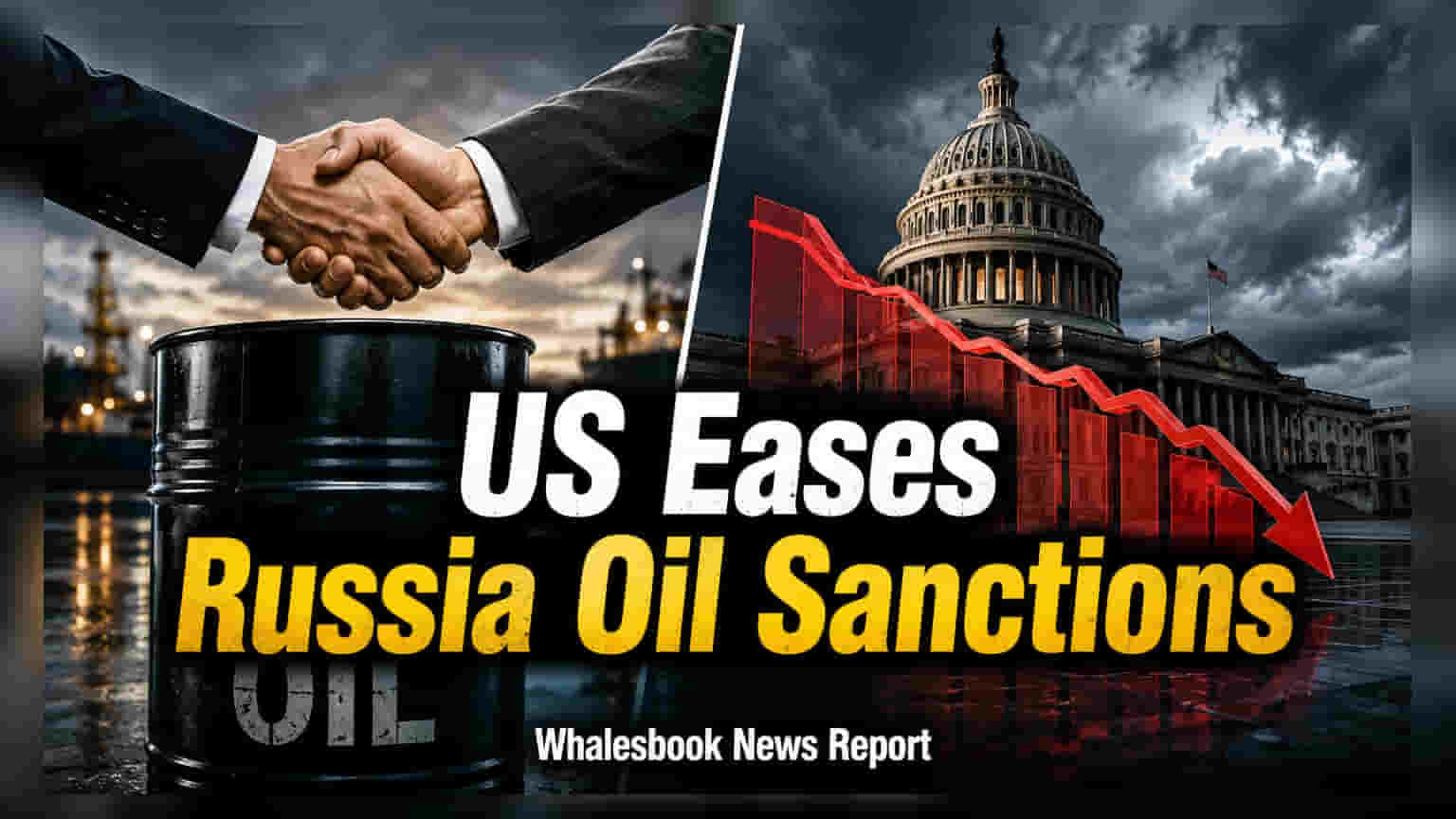
The US has reduced the proposed maximum tariff on Russian oil imports from 500% to 100%. This legislative update offers potential relief for major buyers like India and China by including presidential waiver authority and limiting the scope to top importers.
The United States has introduced a revised legislative framework concerning sanctions on Russian energy, a move that provides more flexibility for nations that continue to import Russian crude oil. The updated bill proposes a maximum tariff of 100% on countries purchasing oil and gas from Russia. This is a significant change from the initial, more aggressive version of the legislation, which had proposed a 500% tariff.
The revised proposal narrows its focus to the top five buyers of Russian energy globally, which includes countries like India and China. By limiting the application of these tariffs to the largest importers, the legislation shifts from a broad-based sanction approach to a more targeted one. Furthermore, the updated bill grants the U.S. President the authority to issue waivers from these tariffs if such actions are determined to be in the national interest of the United States.
Legislative Context and Path Forward
The bill is backed by bipartisan support in the U.S. Senate, with 26 co-sponsors currently signed on. While the legislation aims to discourage reliance on Russian energy, the inclusion of presidential waiver authority and the reduction in tariff levels suggest a pragmatic approach that acknowledges the complexities of global energy trade. Market observers note that this version of the bill has a clearer path to becoming law than its predecessor, which was widely viewed as too stringent to be practical for both the U.S. and its trading partners.
For Indian energy companies and the broader market, this development is relevant as it lessens the immediate threat of extreme financial penalties on energy imports. Previously, the prospect of a 500% tariff raised concerns about potential supply chain disruptions and increased costs for refiners. While the 100% tariff still represents a significant regulatory hurdle, the ability for the U.S. President to grant waivers provides a crucial diplomatic and economic buffer.
Investors should note that while this revision reduces the severity of the proposed sanctions, the bill is still in the legislative process. The ultimate impact will depend on the final text passed by Congress and how the U.S. administration chooses to apply waiver authority. The key monitorable for the energy sector will be any further amendments to the bill during the voting process and future diplomatic discussions regarding energy security and international trade policies.