

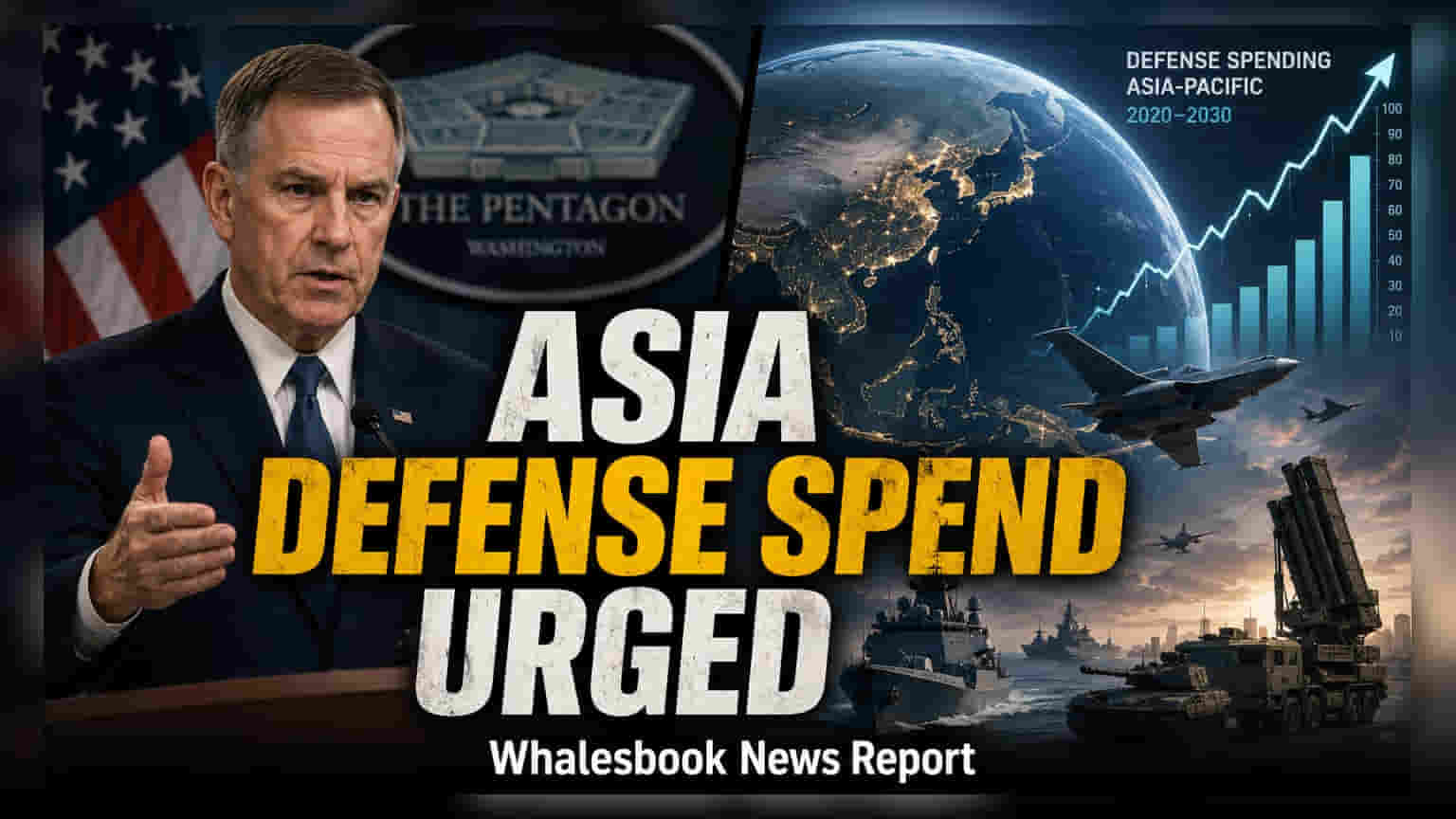
US Undersecretary of Defense Elbridge Colby has urged Asian allies to significantly raise their military spending to ensure regional security. This push for 'burden-sharing' could increase demand for defense technology and infrastructure across the Indo-Pacific. For investors, this shift highlights a potential long-term trend of rising defense budgets as regional countries modernize their forces to meet new security expectations.
The United States is pressing Asian allies to accelerate their defense modernization and increase military investment as part of a renewed strategy to ensure stability in the Indo-Pacific. During his recent visit to Manila, US Undersecretary of Defense for Policy, Elbridge Colby, emphasized that the region’s security architecture requires a shift toward greater burden-sharing. He stated that Washington aims to build 'true partnerships of equals,' where allies take more responsibility for their own defense rather than relying solely on American support.
The Shift Toward 'Deterrence by Denial'
At the core of this policy is the strategy known as 'deterrence by denial,' which aims to make military aggression in the First Island Chain appear too costly or ineffective for potential adversaries to pursue. To achieve this, the Pentagon is encouraging nations such as the Philippines, Thailand, and Indonesia to prioritize speed and scale in weapons procurement. For defense sector observers, this suggests a sustained period of increased government spending on military hardware, cybersecurity, and strategic infrastructure across several Southeast Asian nations.
Financial Implications for Regional Defense
The push for higher defense spending creates both opportunities and challenges for the broader economy. Increased military budgets, which some reports indicate could target levels as high as 3.5% of GDP for certain allies, can divert capital from other infrastructure or social programs. However, for the defense manufacturing sector, this trend signals a potential rise in order volumes and long-term supply chain integration. Regional companies that can effectively support military modernization may see higher demand, though the timing of these contract awards often depends on complex diplomatic and legislative approval processes.
Risks and Geopolitical Pressures
Investors monitoring this shift should be aware of the underlying risks. Geopolitical tensions with China remain high, and increased military build-ups in the region risk triggering an arms race, which can create significant volatility in trade and foreign investment flows. Furthermore, significant increases in defense budgets could strain the fiscal health of smaller economies, potentially impacting their overall credit profiles or leading to increased sovereign debt. The challenge for these nations will be to balance their security commitments with the need for domestic economic growth.
Moving forward, the primary monitorable for investors and analysts will be the actual budget allocations and procurement schedules released by these governments. Market participants will be watching for official announcements regarding new joint-defense projects, technology transfers, or large-scale import deals that could benefit defense contractors. Additionally, any changes in diplomatic relations or shifts in trade policies resulting from these security alliances will provide critical clues about the long-term sustainability of this increased military spending trend.