

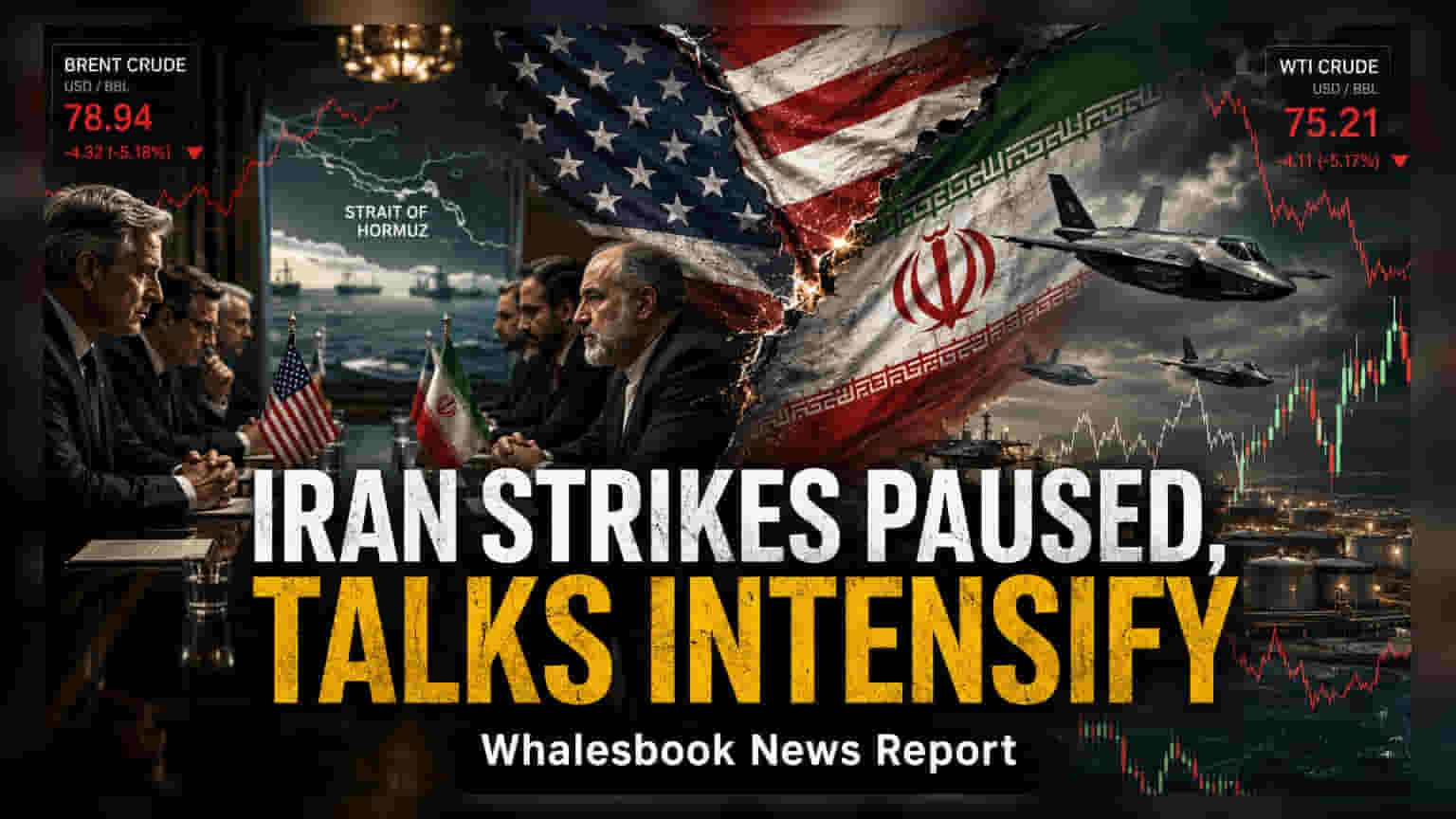
The US military has temporarily halted airstrikes against Iran as of July 25, 2026, to allow for diplomatic negotiations. This de-escalation effort aims to secure safer transit through the Strait of Hormuz, a critical maritime route for 20% of global oil shipments. Investors are monitoring the situation as continued instability in this region often influences global energy prices and freight insurance costs.
Detailed Coverage
The United States government has paused military airstrikes against Iran, a decision that took effect on July 25, 2026. This pause follows two weeks of intense military engagement and represents a strategic shift toward diplomatic resolution. The primary focus of these ongoing tensions is the Strait of Hormuz, a narrow waterway essential for the global energy supply chain. Approximately 20% of the world’s oil flow passes through this strait, making it a critical point of interest for global markets.
Strategic Focus on Maritime Trade
The conflict centers on Iran’s attempts to exert control over vessel transit through the strait. Earlier in the year, Iran imposed restrictions on commercial tankers and freighters, which led to increased freight rates and concerns over energy security. The US had previously targeted Iranian coastal defenses to counter these restrictions. While an interim ceasefire was established in June 2026, the specific protocols for ship movement and Iran’s reported demands for transit fees have kept the situation volatile.
Regional Dynamics and Investor Impact
Recent developments include Israel’s decision to refrain from participating in the latest round of US-led strikes. Analysts from the Washington Institute for Near East Policy suggest that this restraint may indicate an effort to contain the conflict, though it remains unclear if this pause is permanent or merely a temporary operational break. For investors, the stability of this region is linked to potential volatility in crude oil prices. Disruptions in the Strait of Hormuz typically lead to higher transport costs and energy price fluctuations, which can impact the margins of industries dependent on energy and international shipping.
Future Outlook and Monitoring
While diplomatic channels remain open, the situation involves complex challenges, including internal leadership dynamics within Iran and regional secondary conflicts involving Houthi rebels near the Bab el-Mandeb Strait. The US military maintains a naval presence in the area to enforce blockade protocols. Moving forward, market participants will monitor whether these diplomatic discussions yield a formal agreement on vessel transit. Key developments to watch include changes in global oil benchmarks, shipping insurance premiums for tankers operating in the Middle East, and any further official statements from Washington or Tehran regarding the status of the Strait of Hormuz.