 Whalesbook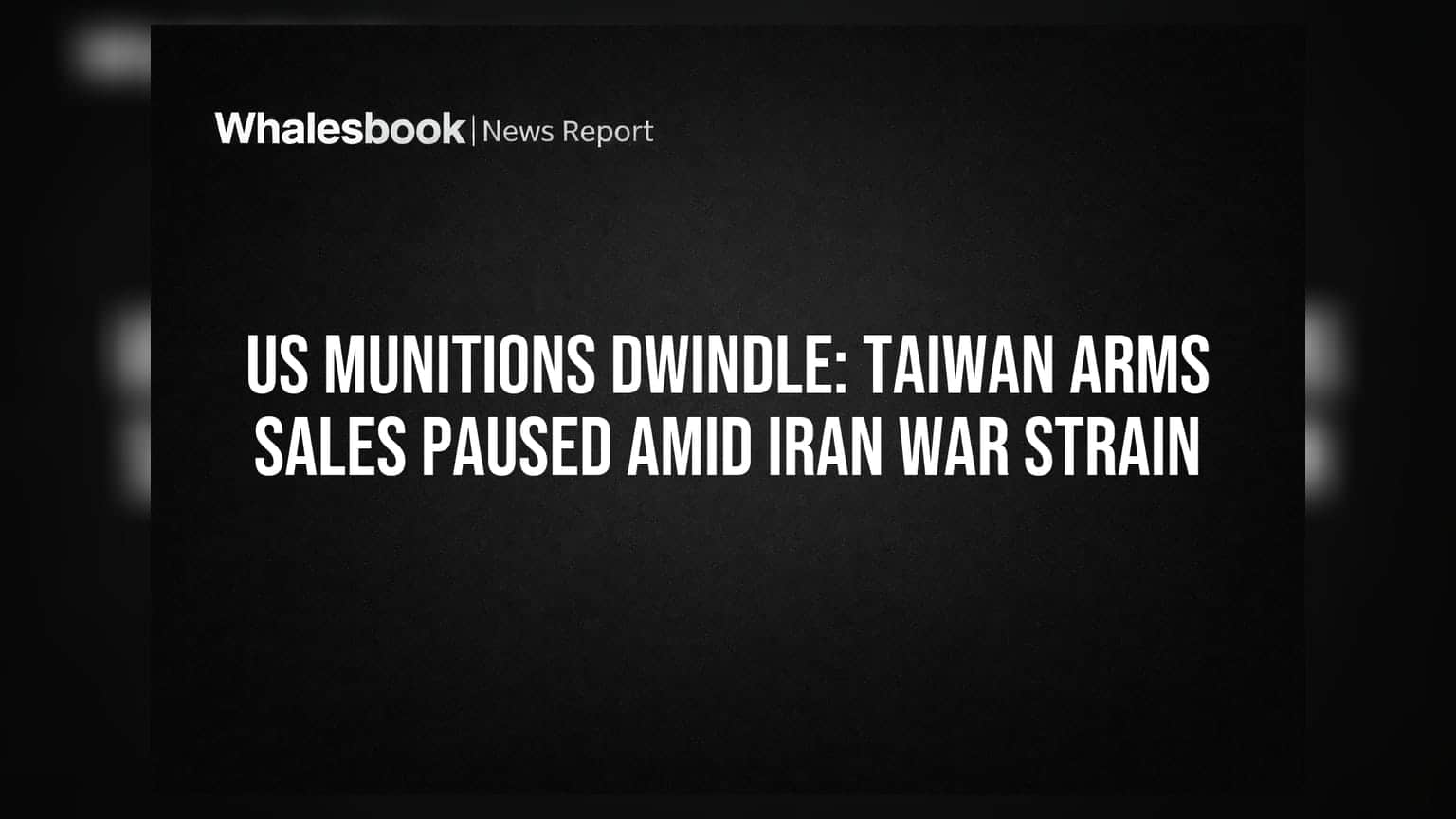


This pause in critical arms transfers to Taiwan highlights a vulnerability in the U.S. defense industrial base's ability to produce advanced munitions after intense conflict. The rapid use of weapons during the recent Iran conflict exposed limits in manufacturing and supply chains, affecting long-term readiness.
Strategic Interceptor Use
In the first 40 days of the Iran conflict, U.S. forces deployed over 200 THAAD interceptors and more than 100 Standard Missile-3 and Standard Missile-6 interceptors to defend Israel. This usage depleted about half of the total THAAD interceptor stock, a rate far exceeding expectations. This points to a significant strain on U.S. missile defense capabilities.
Multi-Year Replenishment
Rebuilding defense stockpiles could take one to four years, according to analysts, affecting key munitions like Tomahawk missiles. Manufacturing bottlenecks, complex supply chains, and workforce shortages in the defense sector are key reasons for this delay. The Center for Strategic and International Studies (CSIS) has noted these as major obstacles to rapid stock regeneration.
Limited Munitions Supply
While U.S. officials express confidence, the conflict with Iran revealed a critical weakness: the U.S. has global reach but not an unlimited supply of munitions. This limited supply, often called "magazine depth," complicates strategic decisions because high-intensity combat uses resources faster than the defense industrial base can currently replace them. The paused arms sale to Taiwan is a direct result, suggesting the U.S. may struggle to address multiple global theaters simultaneously, including support for Ukraine and deterring China and North Korea. This reliance on rapid consumption raises questions about sustaining U.S. military commitments in prolonged conflicts.
Global Commitments at Risk
The depletion of these strategic assets has implications beyond the Taiwan arms sale pause. It raises concerns about the U.S.'s ability to meet security commitments to allies like Ukraine and maintain deterrence against major adversaries such as China and North Korea. The imbalance between high-intensity usage and industrial regeneration capacity points to future challenges in U.S. defense planning and resource allocation.