 Whalesbook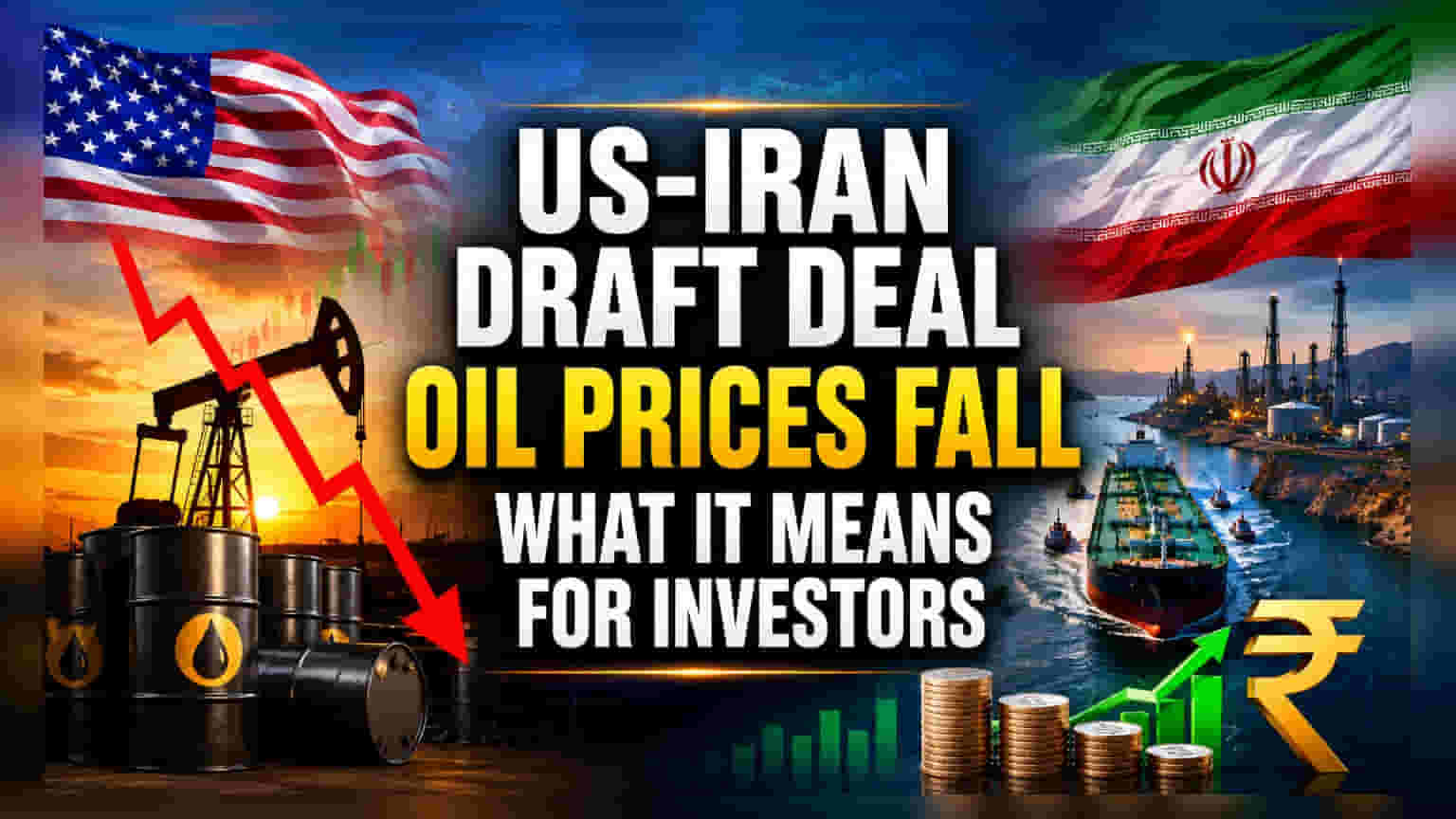


A reported US-Iran framework for peace and sanctions relief has triggered optimism in global markets, causing a sharp dip in crude oil prices. For Indian investors, the key focus is on sectors sensitive to energy costs, such as oil marketing, paints, and aviation, while upstream producers face potential margin pressure.
What Happened
A reported draft memorandum of understanding between the United States and Iran has emerged, outlining a framework to de-escalate regional tensions. The reported plan includes potential sanctions relief for Iran and a pathway toward ending the naval blockade of the Strait of Hormuz. While this remains a draft framework, the news has caused a noticeable shift in global sentiment, leading to a decline in crude oil prices as investors weigh the possibility of increased Iranian oil supply entering the global market.
Why This Matters For Investors
India is one of the world's largest importers of crude oil, sourcing over 85% of its requirements from global markets. Because of this high dependence, the cost of oil acts as a critical lever for the domestic economy. When crude oil prices drop, it can help stabilize the Indian Rupee, reduce the country's import bill, and ease inflationary pressure. For investors, this development is a significant macroeconomic variable that impacts company profitability and earnings expectations across multiple sectors.
Sectoral Impact: Who Could Gain and Who Faces Pressure
Market analysts are looking at how lower crude oil prices might reshuffle sectoral profitability. Oil Marketing Companies (OMCs) such as Indian Oil Corporation (IOC), Hindustan Petroleum Corporation (HPCL), and Bharat Petroleum Corporation (BPCL) are often seen as potential beneficiaries. When crude oil prices fall, these companies may see improvements in their refining margins, provided they maintain pricing flexibility. Similarly, downstream sectors that use crude derivatives as raw materials—such as paint manufacturers, tyre makers, and aviation companies—tend to benefit from lower input costs, which can support their operating margins.
Conversely, upstream oil and gas explorers like ONGC and Oil India may face challenges. These companies earn revenue based on the price realization of the oil they extract. If a global supply increase leads to a sustained drop in crude prices, it can directly compress the profit margins of these producers.
The Reality Check: Risks and Uncertainties
While the market has reacted positively to the reported deal, investors should note that this is still a framework, not a finalized treaty. Implementation risks are significant. Shipping experts and maritime analysts have pointed out that even if an agreement is signed, the practical process of reopening the Strait of Hormuz involves clearing naval mines and conducting safety verifications, which could take weeks or even months. Any delay in these logistics or political friction during the 60-day negotiation period could lead to renewed volatility in oil prices. Geopolitical deals of this nature often face implementation hurdles, and markets tend to adjust as official details or setbacks emerge.
What Investors Should Track Next
Investors should monitor the following developments to gauge the impact on their portfolios:
- Official confirmation and signing of the final agreement, which is expected to provide clarity on the timeline for sanctions relief.
- Movement in global crude oil benchmarks (Brent and WTI) and whether the price dip is sustained or temporary.
- Management commentary from Indian energy companies regarding their input cost expectations and inventory management.
- Any official statements from OPEC+ regarding their production plans in response to potential Iranian supply returning to the market.
- Macroeconomic data from India, specifically inflation figures and the trade deficit, which are directly tied to energy costs.