 Whalesbook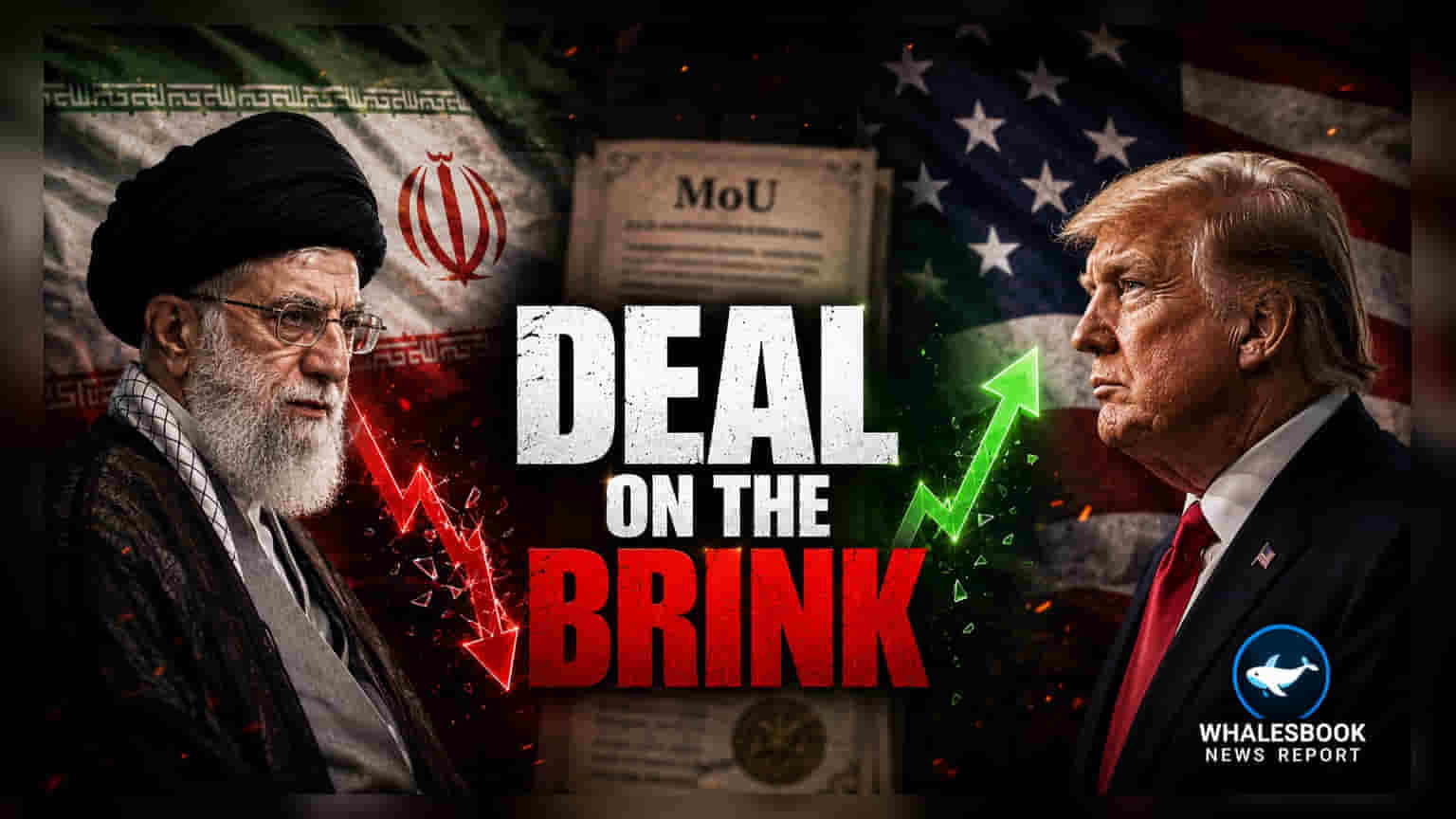


The Stagnation of Strategic De-escalation
The tactical pivot by the White House to impose more stringent conditions on asset recovery has forced Tehran to backtrack on the initial framework of the memorandum. By injecting rigid fiscal demands into the negotiation, the US administration has effectively shifted the objective from a swift operational ceasefire to a long-term economic standoff. This divergence reflects a broader difficulty in aligning Washington’s desire for immediate financial leverage with Tehran’s requirement for domestic political stability.
Geopolitical Impact on Global Energy Flows
The central tension remains the transit status of the Strait of Hormuz. Because approximately 20% of the world's total petroleum consumption passes through this chokepoint, any disruption to the proposed ceasefire carries an outsized risk to global energy indices. While the current market pricing reflects a tenuous status quo, the inability to finalize the memorandum prevents a formal normalization of maritime traffic. Investors should note that until these port restrictions are formally lifted, energy shipping costs and insurance premiums in the Persian Gulf will remain inflated, acting as a structural headwind for regional logistical firms.
The Forensic Bear Case: Failure Metrics
There is significant downside risk in the current diplomatic path. Unlike previous multilateral negotiations, this bilateral approach lacks a robust verification mechanism for the proposed 60-day ceasefire. The inclusion of Iran-backed regional proxies in the discussions remains a primary failure point, as these groups often operate with varying levels of autonomy from Tehran’s central command. Furthermore, the deferral of the nuclear program issue to future, separate sessions suggests that even if this current memorandum is signed, it serves only as a temporary cessation of hostilities rather than a permanent resolution to the primary geopolitical risk factor. Should the talks collapse, the re-imposition of even tighter sanctions would likely trigger a sharp spike in crude volatility, catching market participants off guard who have priced in a moderate de-escalation.
Market Outlook and Diplomatic Signaling
Looking ahead, the review process currently underway by Iranian leadership will serve as the next primary signal for risk assets. Should Tehran continue to push for amendments that contradict the White House’s fiscal requirements, the likelihood of a protracted stalemate increases. Brokerage sentiment remains cautious, with analysts emphasizing that until there is visible movement on port de-escalation, the regional risk premium is unlikely to contract significantly.