

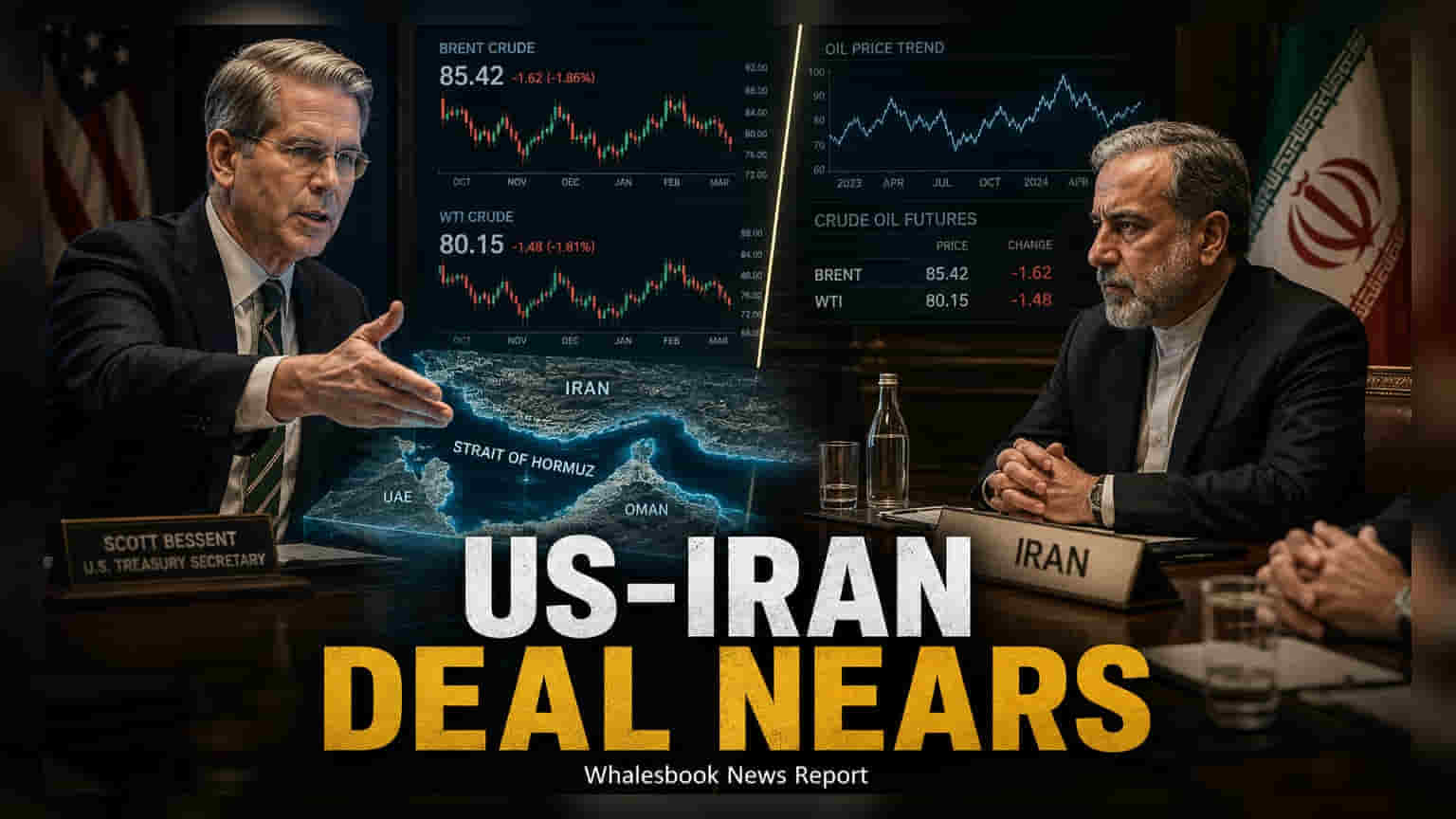
US Treasury Secretary Scott Bessent signaled a potential agreement to reopen the critical Strait of Hormuz by Wednesday, sparking optimism in global markets. While this could stabilize oil prices and energy supplies for importers like India, persistent diplomatic gaps and regional security incidents keep risks high.
Optimism regarding the Strait of Hormuz has grown as U.S. officials suggest a breakthrough in negotiations could be near. U.S. Treasury Secretary Scott Bessent indicated on Tuesday that an agreement to reopen the vital waterway might be reached as early as Wednesday. This news has triggered a positive response in global financial markets, with oil prices retreating from recent highs as traders factor in the potential for restored commercial traffic.
The Strait of Hormuz serves as a major chokepoint for the global energy sector, handling approximately one-fifth of the world's oil and liquefied natural gas shipments. For Indian investors and the broader economy, this route is critical. India relies heavily on energy imports, and sustained disruption in this region often leads to higher crude oil prices, which can increase inflation risks and impact the country's import bill and currency stability. A successful deal would likely reduce these energy-related pressures.
Despite the optimistic signals from Washington, the path to a formal agreement remains complex. Tehran continues to deny direct negotiations with the United States, preferring to conduct talks through mediators from Qatar, Oman, and Pakistan. Significant disputes remain, including Iranian demands regarding transit fees, sanctions relief, and oversight authority over vessels passing through the strait. Because of these unresolved issues, market analysts caution that sentiment remains volatile.
The regional security environment also serves as a stark reminder of the underlying risks. Even as diplomatic efforts intensify, the waterway remains hazardous. A cargo vessel was struck by an unidentified projectile off the coast of Oman on August 4, highlighting that commercial transit remains vulnerable to ongoing geopolitical friction. This incident underscores that diplomatic progress does not immediately eliminate the physical security threats in the region.
Investors may monitor developments closely over the coming days, specifically focusing on official statements from the involved nations regarding the status of the talks. The primary indicator for market impact will be crude oil price trends and shipping insurance costs, as these are the first to react to changes in the security status of the Strait of Hormuz. Any confirmed breakthrough would be a major positive for global energy stability, but until a concrete, verifiable agreement is in place, caution remains warranted given the history of failed negotiations and persistent regional tensions.