

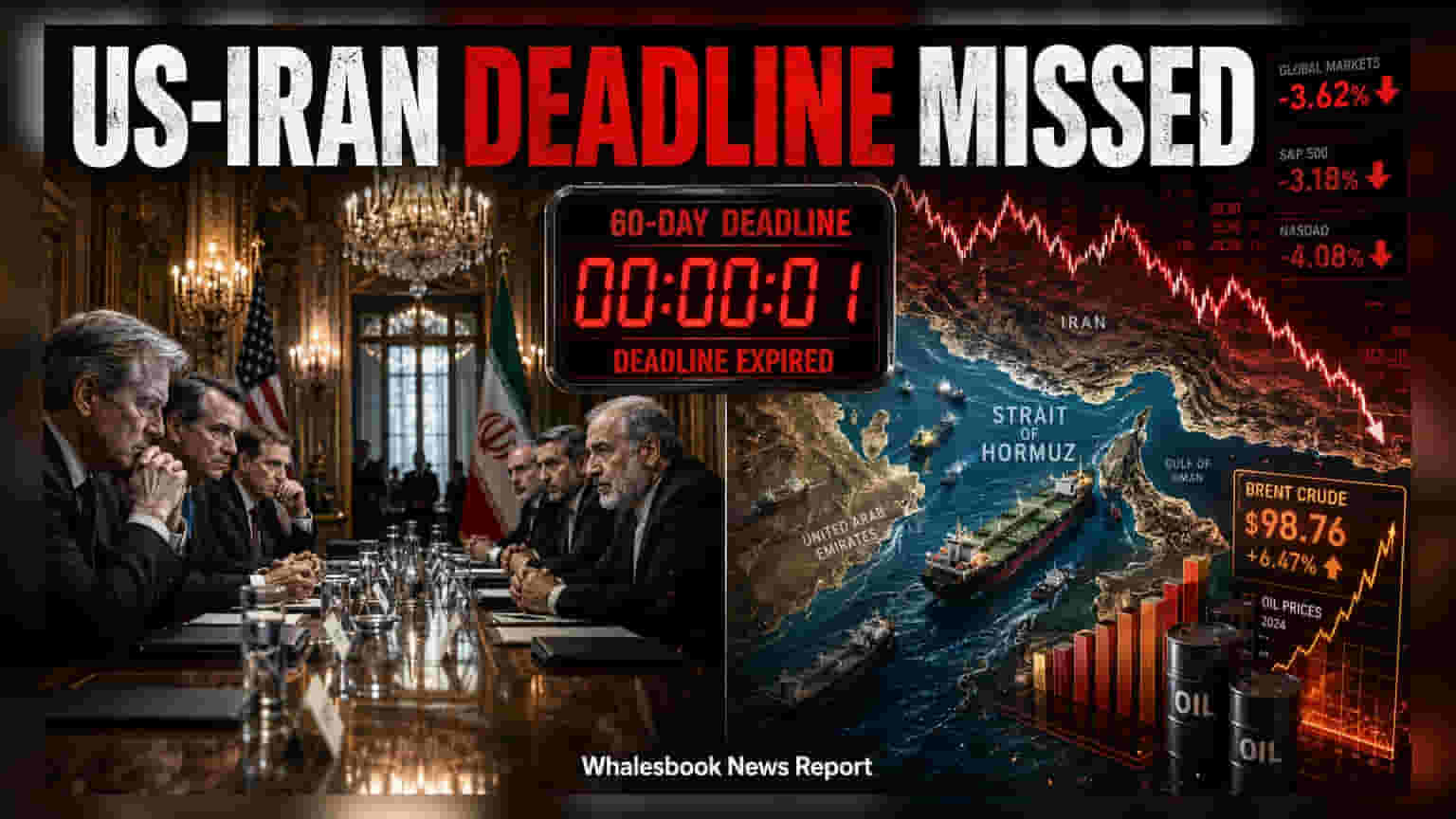
The 60-day deadline for the US-Iran interim agreement passed on August 17, 2026, without a resolution. The failure to secure the Strait of Hormuz poses risks to global energy supply chains and could lead to increased fuel price volatility. Investors are watching how sustained tensions in the region may impact inflation and operational costs for Indian industries that rely on energy imports.
The 60-day deadline for the interim agreement between the United States and Iran, aimed at de-escalating the conflict that began in February 2026, expired on Monday, August 17, 2026. The memorandum, signed in June, had hoped to address nuclear negotiations and secure the passage through the Strait of Hormuz. With the deadline passing without a breakthrough, both nations remain in a standoff, and the terms of the agreement have effectively collapsed.
The core of the economic concern lies in the Strait of Hormuz, a critical maritime chokepoint that has historically handled a significant portion of the world's traded oil and gas. Since the escalation of the conflict, the security of this route has been in question, with both sides accusing the other of violations. The failure to reach a lasting compromise means that shipping through this region faces continued uncertainty, which can disrupt global supply chains and increase insurance costs for maritime trade.
For investors, the primary concern is the potential for volatility in energy markets. India, as a major importer of crude oil, remains sensitive to developments in this region. Sustained disruptions in the Persian Gulf can lead to higher global crude oil prices, which directly impacts the import bill for India. Higher energy costs often translate into inflationary pressure, affecting profit margins for companies in sectors such as transportation, logistics, and consumer goods. Furthermore, if shipping routes remain volatile, it may lead to delays in cargo movement, adding to the cost pressures for export-oriented businesses.
While the United States continues to rely on sanctions and blockade strategies, and Iran maintains its position regarding control of the waterway, the geopolitical environment remains tense. The ongoing military engagement, which has persisted since early 2026, creates an unpredictable backdrop for international trade. Because the June agreement has not resulted in a permanent reopening or a stable regulatory framework for the strait, the risk of periodic disruptions remains.
The most important monitorables for investors in the coming weeks include trends in global crude oil prices and any official updates regarding shipping insurance premiums. Additionally, management commentary from energy-intensive Indian companies regarding raw material costs and supply chain stability will provide further clarity on how this geopolitical situation is impacting corporate balance sheets. Future diplomatic efforts, if any, will also be relevant, but market expectations for a quick resolution appear low given the current diplomatic deadlock.