

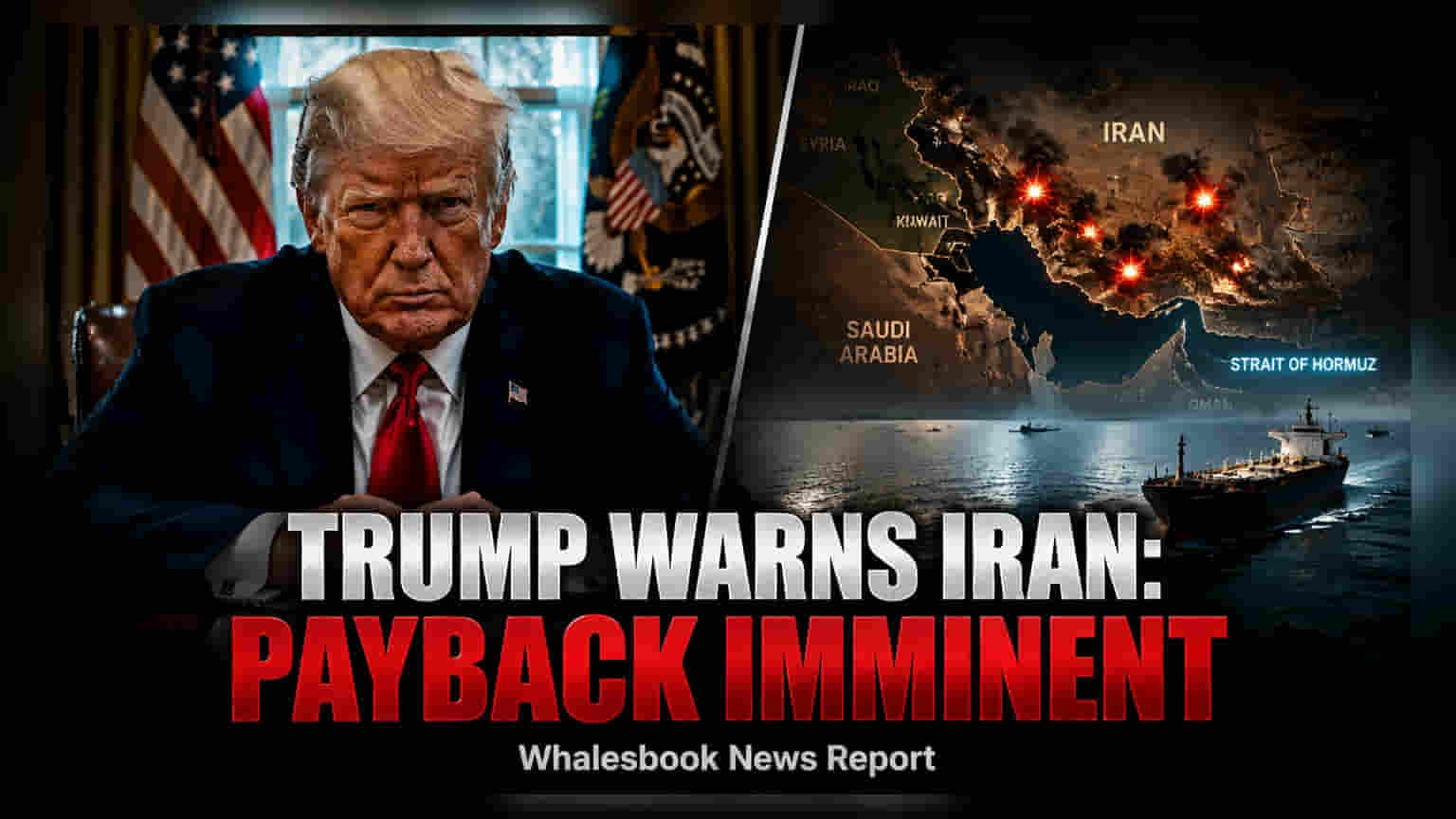
President Donald Trump has warned of severe retaliation following attacks on US troops by Iranian forces. This military escalation, centering on the strategically vital Strait of Hormuz, has significantly increased regional instability. Investors should monitor potential disruptions to global energy supplies and rising maritime insurance costs, which may impact oil-dependent industries and logistics companies.
Detailed Coverage
The geopolitical situation in the Middle East has entered a period of heightened volatility following a direct exchange of military strikes between the United States and Iran. President Donald Trump has issued a stern directive to defense officials, vowing that any further American troop fatalities will be met with overwhelming retaliation. This hardening of rhetoric, coupled with active military engagements, has effectively stalled recent efforts to maintain a ceasefire in the region.
Impact on Global Energy and Shipping
The most critical economic concern for global markets, including India, is the security of the Strait of Hormuz. This waterway serves as a primary route for oil tankers exiting the Persian Gulf. Recent reports from the United Kingdom Maritime Trade Operations indicate that commercial vessels are facing increased threats, with confirmed incidents of strikes on tankers near the coast of Oman. The Islamic Revolutionary Guard Corps has also directly claimed responsibility for strikes on various military facilities, further complicating the safety of maritime trade routes.
For Indian investors, the conflict presents two primary risks. First, persistent instability in the Persian Gulf historically leads to volatility in global crude oil prices. As India is a major net importer of crude oil, any sustained disruption in the Strait of Hormuz could increase the country’s import bill, potentially putting pressure on the trade deficit and impacting the profit margins of oil-marketing and paint manufacturing companies.
Second, the insurance and shipping sectors may face increased operational costs. As tankers navigate these waters, the risk of damage leads to higher war-risk insurance premiums, which are eventually passed on to consumers. Logistics and shipping-related businesses may experience higher overheads, while domestic manufacturing sectors that rely on imported raw materials via these routes could face supply chain delays.
Regional Escalation and Market Volatility
Military actions have been reported across several Iranian cities, including Tabriz and Bandar Mahshahr, with the US Central Command conducting consecutive nights of strikes. While the immediate focus remains on military and strategic assets, the breadth of these operations increases the likelihood of accidental or targeted damage to regional infrastructure. The interception of drones and the reports of explosions near major energy hubs underscore the unpredictable nature of the current environment.
Investors should monitor official updates regarding shipping lane security and global oil price benchmarks. Future indicators of market stress will include movements in oil prices, changes in tanker freight rates, and any official announcements from the Indian government regarding energy supply security or strategic reserves. The ability of the global community to de-escalate the situation in the Strait of Hormuz will be the most significant monitorable factor for stabilizing sentiment in energy-sensitive sectors.