

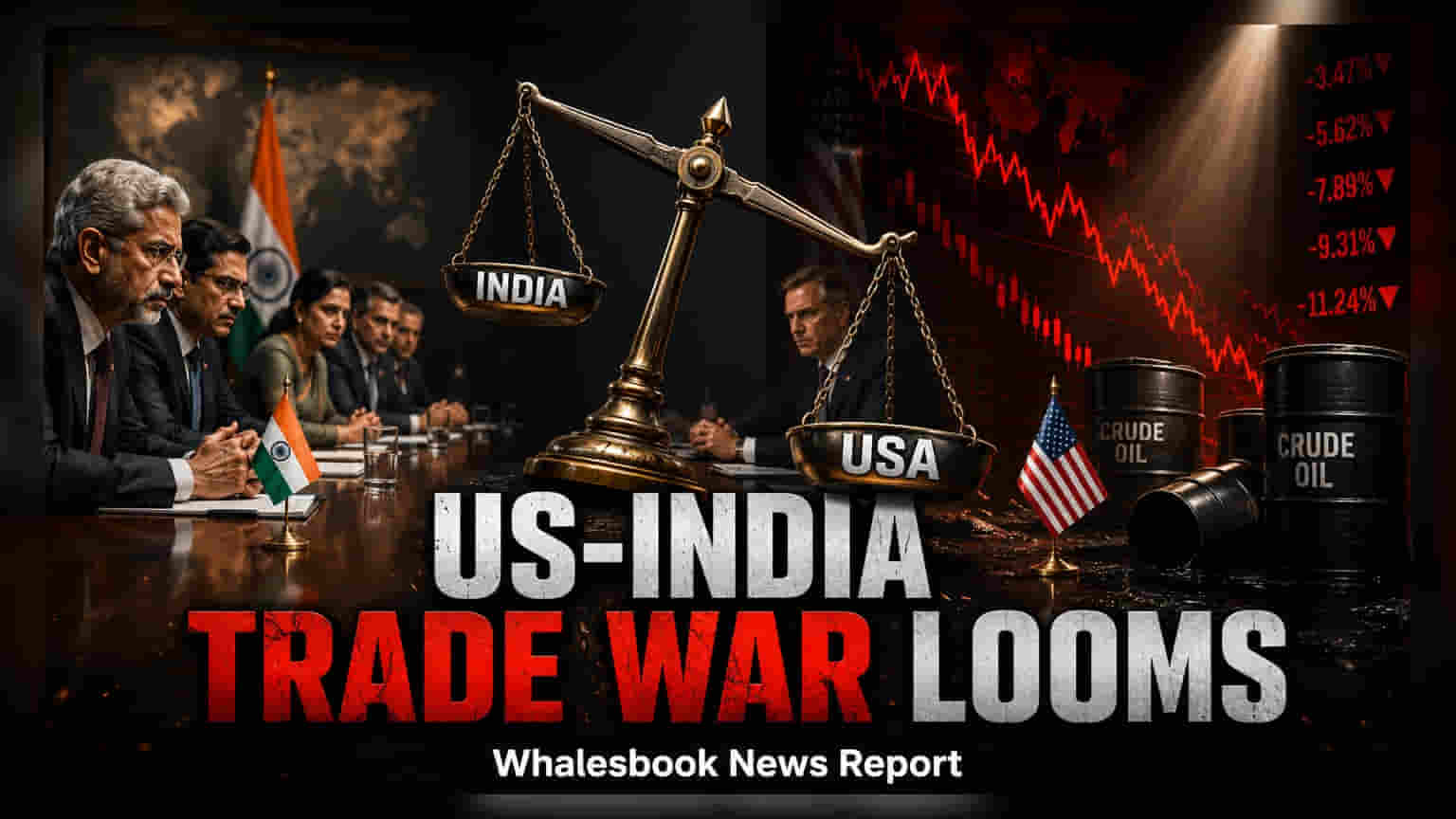
A new 25% tariff on Indian exports to the U.S., effective July 31, 2026, is putting significant pressure on the domestic textile and clothing industry. This follows complex trade negotiations where the U.S. has demanded lower agricultural tariffs and intellectual property changes. Investors may monitor how export-heavy companies manage these rising costs and potential margin pressure.
The trade relationship between India and the United States has reached a challenging phase as a 25% tariff on Indian exports to the U.S. takes effect today, July 31, 2026. This development marks a significant hurdle for Indian exporters, particularly in the textile and clothing sectors, which now face a distinct price disadvantage compared to competitors in other regions.
Impact on Export Margins and Competitiveness
The immediate imposition of these tariffs creates pressure on companies that rely heavily on the U.S. market. Historically, the Indian textile sector has operated with thin profit margins, and a sudden 25% cost increase is likely to test the pricing power of these manufacturers. Companies may face the difficult choice of absorbing these higher costs—which would directly squeeze profit margins—or raising prices for U.S. buyers, which risks losing market share to competitors from other nations who may not be subject to the same level of duties.
Beyond textiles, the broader bilateral trade agreement negotiations have been marked by significant volatility. The U.S. has been pushing for aggressive reductions in India’s agricultural tariffs, which currently average around 39% compared to the 5% average in the U.S. These demands have caused friction, especially regarding the potential entry of genetically modified food products and revisions to intellectual property rules. The uncertainty surrounding these policy discussions has made it difficult for businesses to plan long-term capital spending and export strategies.
Sectoral Exposure and Regulatory Headwinds
Indian companies across multiple sectors are navigating a more complex regulatory environment in the U.S. The U.S. Trade Representative (USTR) has launched investigations into structural excess capacity in several areas, including automotive, steel, and healthcare. These investigations, initiated under Section 301, create a layer of uncertainty for firms that have already committed significant investments into the U.S. market. For instance, Indian pharmaceutical firms have invested heavily in U.S. operations, and any further trade actions or import duties could impact the returns on these investments.
Energy security also remains a critical theme. While earlier concerns regarding tariffs on Russian oil imports have stabilized, the overall focus on trade deficits and 'America First' policies suggests that the U.S. will continue to scrutinize trade practices. This policy stance is unlikely to change in the near term, meaning Indian companies with high exposure to the U.S. market may need to adjust their operational strategies.
Investors will likely look for updates in upcoming quarterly earnings reports to see how management teams plan to mitigate these tariff impacts. The key monitorables include any shifts in export volumes to the U.S., the ability of companies to pass on costs to customers, and potential diversification strategies to reduce reliance on the U.S. market.