 Whalesbook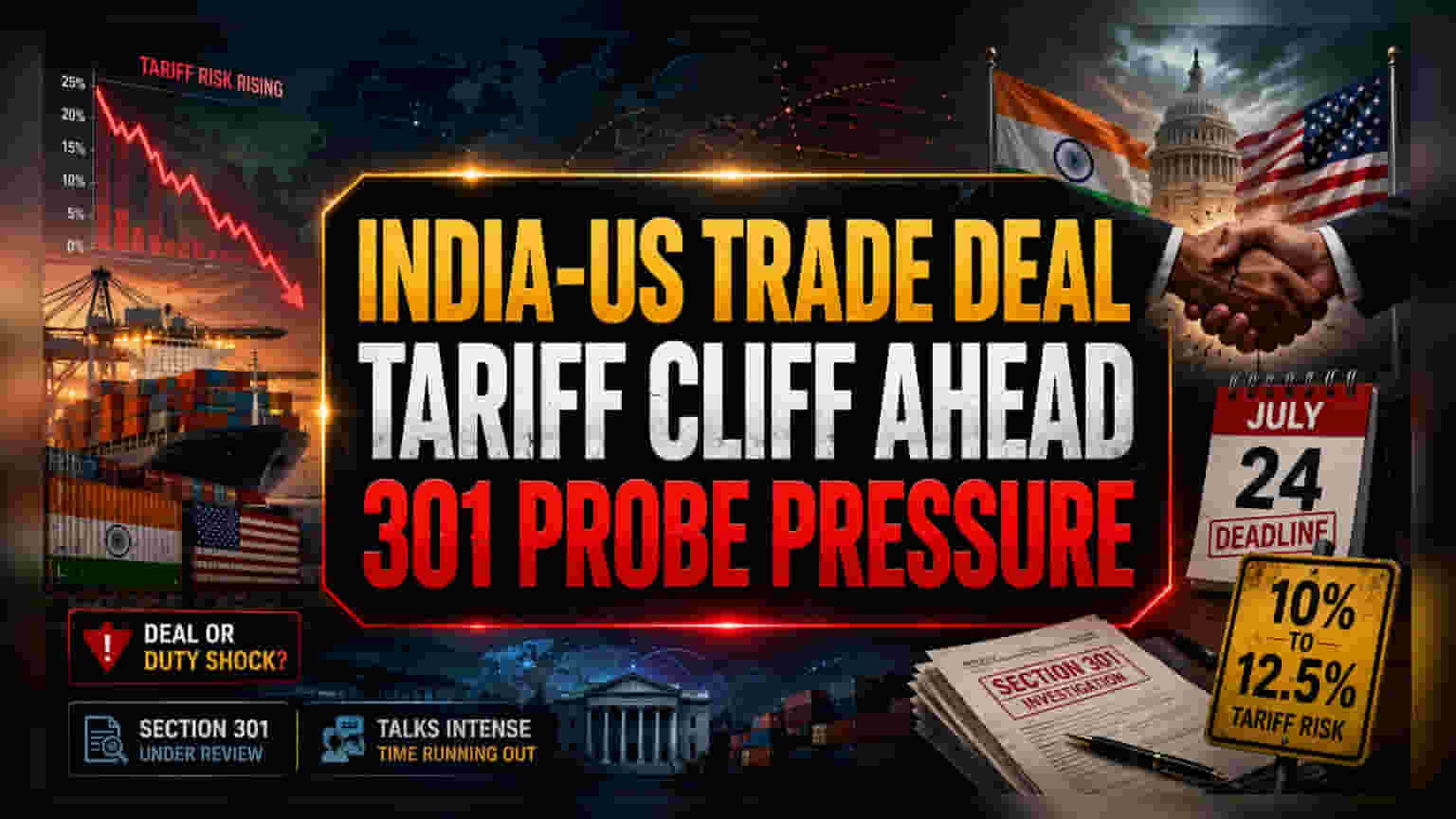


The Regulatory Impasse
Progress on the bilateral trade framework has hit a structural wall as both nations await the conclusion of a wide-reaching Section 301 investigation. While negotiations between Washington and New Delhi reached a collaborative interim stage earlier this year, the current inquiry—which encompasses 60 global economies—has introduced a fresh layer of complexity. The Office of the United States Trade Representative has identified shortcomings in forced labor enforcement across these markets, positioning the subsequent proposed tariffs of 10% to 12.5% as a mechanism to rebuild the US tariff architecture following legal challenges to earlier emergency measures.
The Tariff Cliff
Market participants are closely watching the July 24 deadline, when the current 10% global baseline tariff, enacted under Section 122 of the Trade Act, is set to expire. The urgency for both sides to conclude a deal stems from this date; finalized trade terms could provide a safe harbor for India, potentially keeping tariffs at the pre-negotiated rate of 18% rather than allowing them to climb or revert to standard Most Favoured Nation levels. With US trade officials expected to continue high-level engagements, the ability to secure these guarantees has become the primary metric for measuring the deal's ultimate success.
The Forensic Bear Case
Industry analysts and trade observers have voiced concerns that these negotiations may be drifting into a lopsided territory. Critics argue that the Section 301 investigation serves as a tactical leverage tool rather than a standard policy enforcement measure. There is a palpable risk that New Delhi could be pressured into making disproportionate concessions—such as significant market access openings, deep regulatory compromises, or massive import commitments—to preemptively insure against the threat of unilateral American duties. Furthermore, the precedent of past trade actions suggests that even with a signed agreement, long-term immunity from future US trade actions remains uncertain. If India accepts aggressive terms solely to avoid immediate tariff escalation, it could suffer long-term margin compression and diminished domestic policy flexibility.
Future Outlook
With public hearings scheduled for July 7, the window for meaningful policy adjustment is narrow. Indian policymakers remain publicly optimistic, indicating that the nation is prepared to navigate these external trade pressures. However, the path forward requires balancing the necessity of a trade deal against the risks of entering an agreement under the duress of imminent, punitive tariff threats. The upcoming visit of the USTR delegation will likely determine whether the interim framework can transition into a durable, balanced partnership or if it will be sidelined by ongoing structural disputes.