

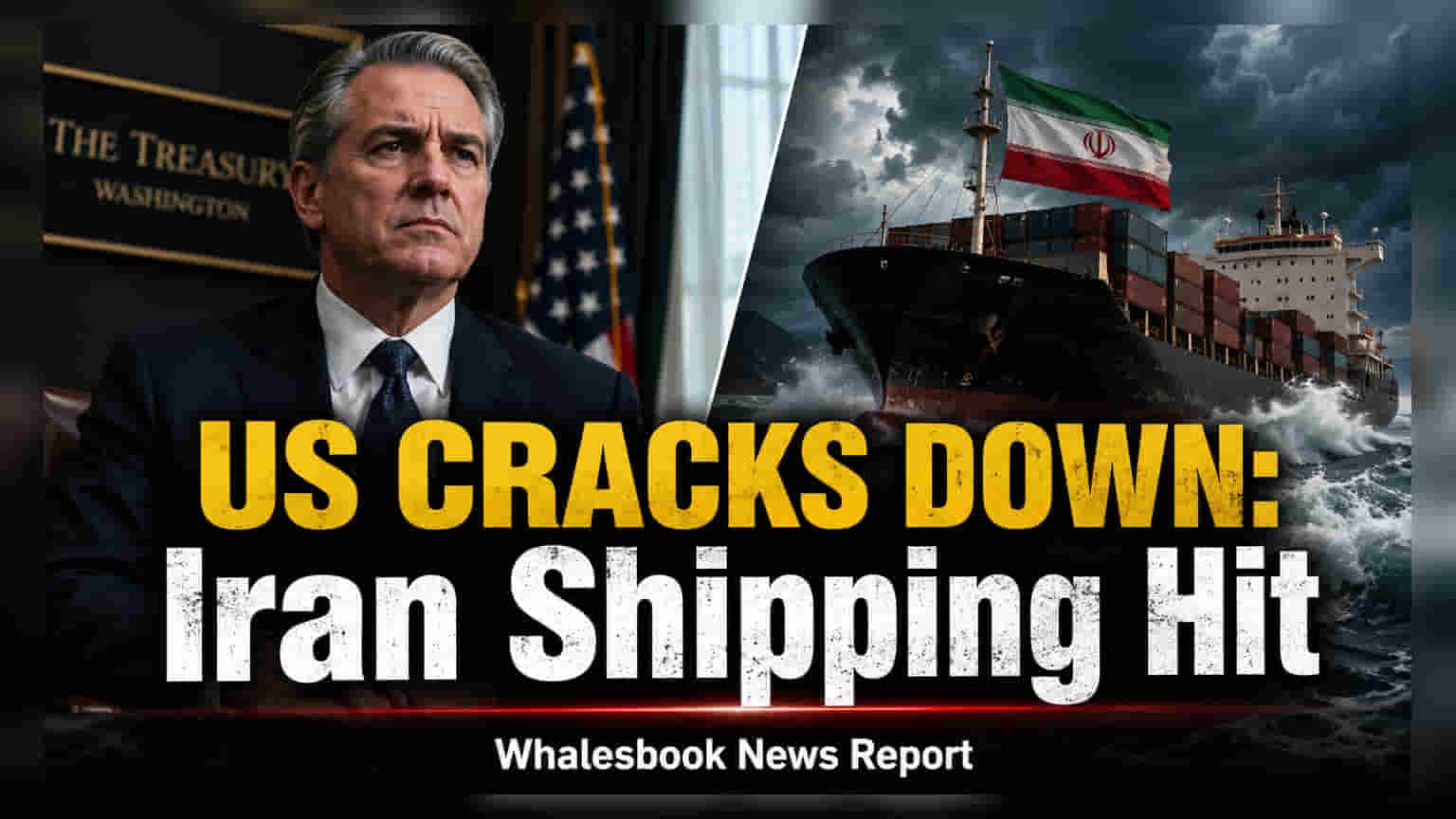
The U.S. Treasury has sanctioned a shipping network led by Mohammad Hossein Shamkhani, accusing it of evading oil sanctions and expanding into global trade. These measures, targeting over 200 entities and vessels, aim to disrupt the financial infrastructure supporting Iranian operations. Investors may track potential impacts on global shipping routes and commodity trade costs as international enforcement tightens.
The United States Treasury Department announced new sanctions on Tuesday, focusing on a sprawling shipping network linked to Mohammad Hossein Shamkhani. According to official U.S. statements, this network has been a central force in facilitating Iranian oil exports while moving into containerized shipping and broader commodities trading to bypass existing international restrictions.
Targeting the Shamkhani Network
The U.S. government alleges that this network serves as a key financial pillar for the Iranian regime. By targeting these entities, the Treasury aims to dismantle the infrastructure that enables the movement of goods despite heavy economic pressure. The latest designations add to a growing list, bringing the total number of individuals, companies, and vessels connected to the Shamkhani network under U.S. sanctions to more than 200. These actions effectively block any assets held within U.S. jurisdiction and forbid American individuals or businesses from engaging in transactions with the listed parties.
Global Trade and Shipping Context
For investors and global trade participants, this action highlights the ongoing volatility in international shipping and energy markets. Sanctions of this scale often lead to increased scrutiny of vessel ownership, insurance requirements, and cargo origins. Shipping companies and traders globally must navigate these heightened compliance requirements, as involvement with sanctioned vessels or networks can lead to significant legal and financial consequences. The Treasury Department has included provisions for limited wind-down activities, which allow for the safe offloading of cargo and necessary environmental precautions to prevent immediate disruptions in transit zones.
Investor Monitorables
While these measures are part of a long-standing U.S. policy regarding Iranian trade, the expansion into containerized shipping and general commodities trading suggests a broader approach to international sanctions. Market participants should monitor whether these restrictions lead to increased shipping costs or changes in trade routes for energy and bulk commodities. The effectiveness of these sanctions will depend on the compliance of international port authorities and the willingness of other global powers to enforce similar restrictions. Investors should watch for any further announcements from the U.S. Treasury regarding enforcement actions and how these might influence insurance premiums or operational risks for international shipping firms.