

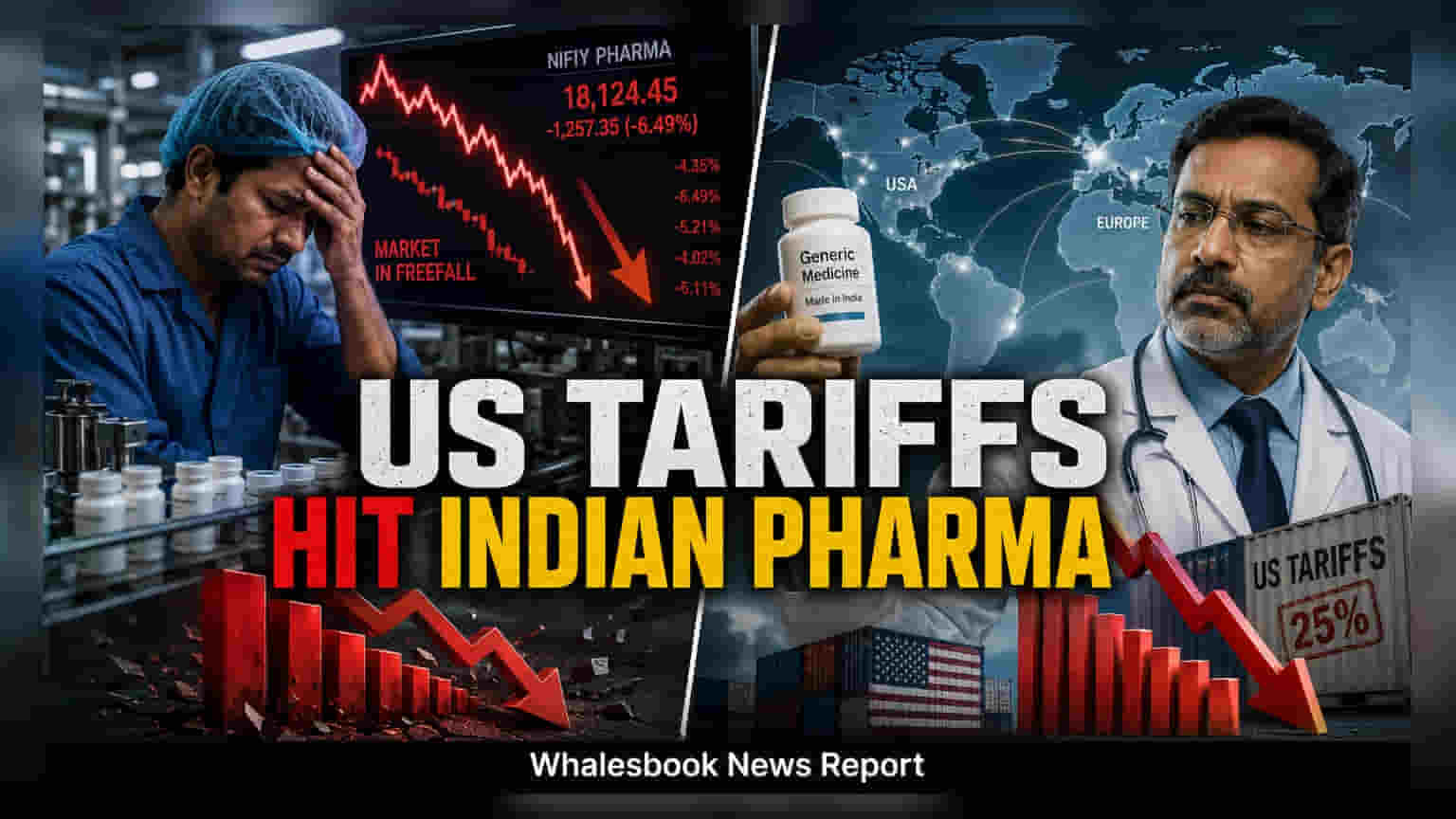
Proposed US tariffs on imported generic medicines may reach 100% by August 2029, creating potential cost pressure for Indian exporters. Investors are monitoring how this trade policy could impact revenue for firms heavily dependent on the US market. The situation highlights the need for drug companies to diversify into new regions and focus on higher-value products to maintain margins.
Detailed Coverage
The pharmaceutical industry faces a potential shift in trade dynamics following reports of proposed US tariffs on imported generic medicines. Industry discussions indicate these measures could see a phased increase, reaching a 100% duty level by August 2029. For Indian pharmaceutical companies, which have long relied on the US as a major destination for generic drug exports, this development introduces new layers of uncertainty regarding long-term export revenue and profit margins.
Strategic Challenges for Indian Exporters
Indian pharma companies have historically built their business models around high-volume exports to the US market. A significant increase in import duties could force these companies to either absorb the cost—which would directly squeeze profit margins—or pass it on to US distributors, potentially hurting demand. Industry experts suggest that this environment makes geographic diversification more urgent. Companies that have already invested in establishing a presence in emerging markets or the 'Global South' may be better positioned to manage a decline in US-bound sales compared to those with high US market concentration.
Operational and Regulatory Barriers
While diversifying export destinations is a logical step, it is not an immediate fix for most firms. Moving manufacturing bases or shifting supply chains involves significant capital spending, complex regulatory approvals, and time-consuming quality certifications from other countries' health authorities. Most large Indian players currently operate US FDA-approved facilities designed specifically for that market's compliance standards. Rapidly re-orienting these operations involves high execution risks, and any delay in shifting production or entering new markets could result in inventory build-up and pressure on cash flows.
Monitoring Impact on Patient Access and Pricing
From a clinical and economic perspective, trade barriers that raise medicine costs often lead to treatment non-adherence among chronic disease patients. If medicine prices rise significantly due to tariffs, the resulting drop in demand could force companies to reduce production, affecting capacity utilization across their manufacturing plants. Investors should closely track management commentary in upcoming quarterly results to understand how individual companies plan to navigate these potential trade barriers. Key monitorables include the percentage of revenue derived from US generic exports, progress in expanding into non-US markets, and any potential shifts in research spending toward complex or specialty drugs that may face fewer tariff-related hurdles than standard generics.