

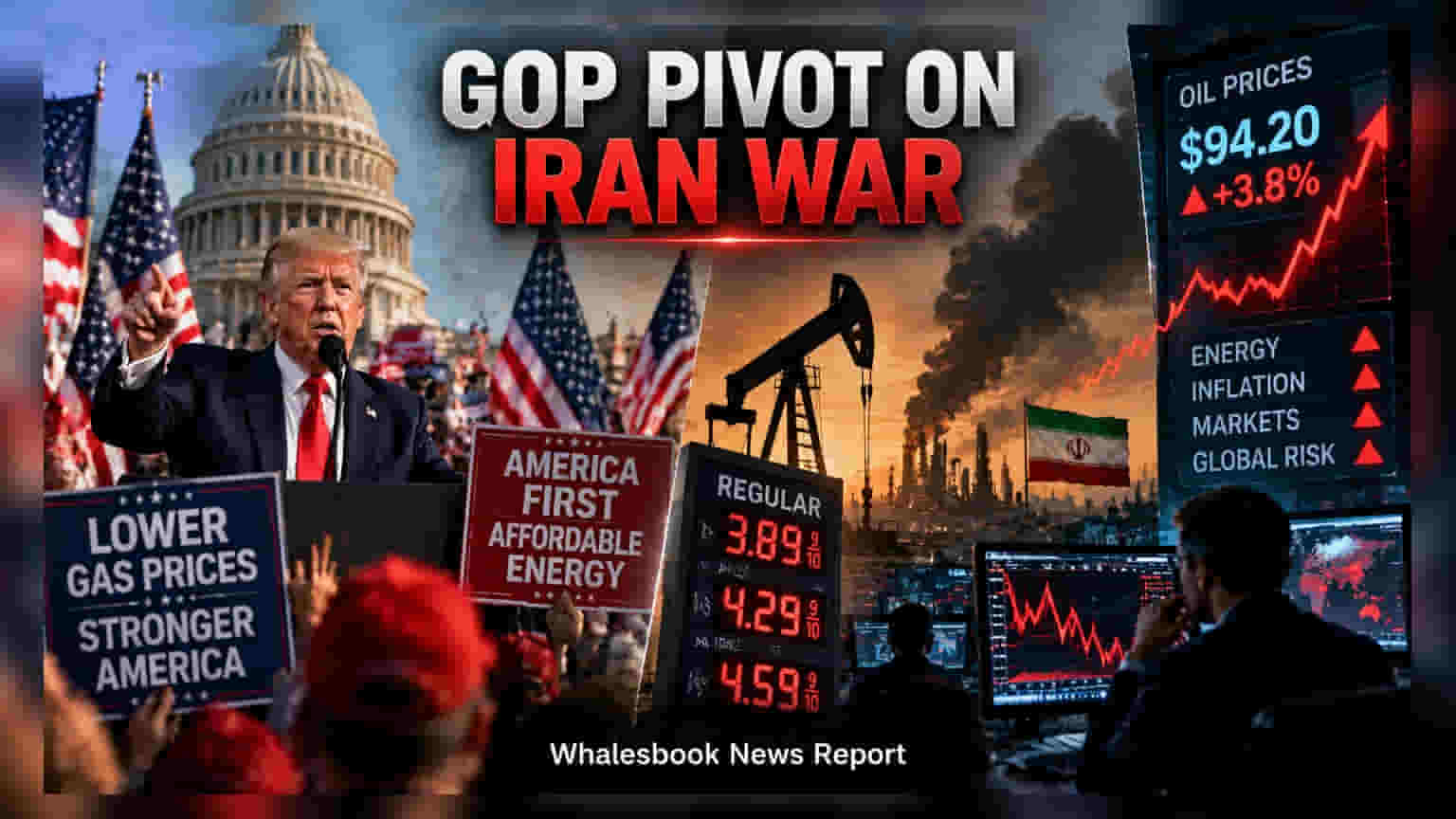
US Republican candidates are altering their stance on the ongoing Iran conflict as record-high fuel prices impact voter sentiment ahead of November's midterm elections. With candidates calling for gas tax holidays and changes to export rules, the economic pressure in the US is mounting. For global investors, this shift highlights potential volatility in energy markets as political priorities adjust to combat inflation.
Rising fuel costs are reshaping the political agenda for US Republicans ahead of the upcoming November midterm elections. Candidates across several key states are distancing themselves from established positions on the Iran conflict, as inflationary pressures—specifically at the gas pump—become a primary concern for American voters. This change in strategy comes as public approval ratings for the current administration have reportedly dipped to 32 percent, fueling concerns within the party about their electoral prospects.
In Michigan, Senate candidate Mike Rogers has publicly advocated for a swift resolution to hostilities. He has linked the war effort directly to the current surge in energy prices and is pushing for a suspension of federal and state gasoline taxes to provide immediate financial relief to families. This marks a departure from earlier support for executive authority in conducting military operations.
Similarly, in Iowa, Representative Ashley Hinson is shifting toward a more cautious stance regarding foreign engagement. Given the state's significant agricultural dependency on heavy machinery and logistics, Hinson is now calling for a temporary halt to diesel exports alongside a federal gas tax holiday. This move is significant, as it indicates how regional economic strain is directly challenging previous policy commitments.
For global investors, these domestic political shifts in the United States carry implications for energy markets. The demand for tax holidays and changes to export policies, if implemented, could influence the flow of refined products and impact global price benchmarks. Since energy remains a significant component of global inflation, any policy change in the US—a major producer and consumer—can lead to price volatility.
The conflict, now in its seventh month, continues to be a central factor in these debates. As candidates push for policy adjustments to mitigate the economic strain on voters, the market will monitor whether these political demands translate into legislative action. Investors should track updates on US energy export policies and fuel tax proposals, as these factors could influence broader inflationary trends and market sentiment in the coming months.