

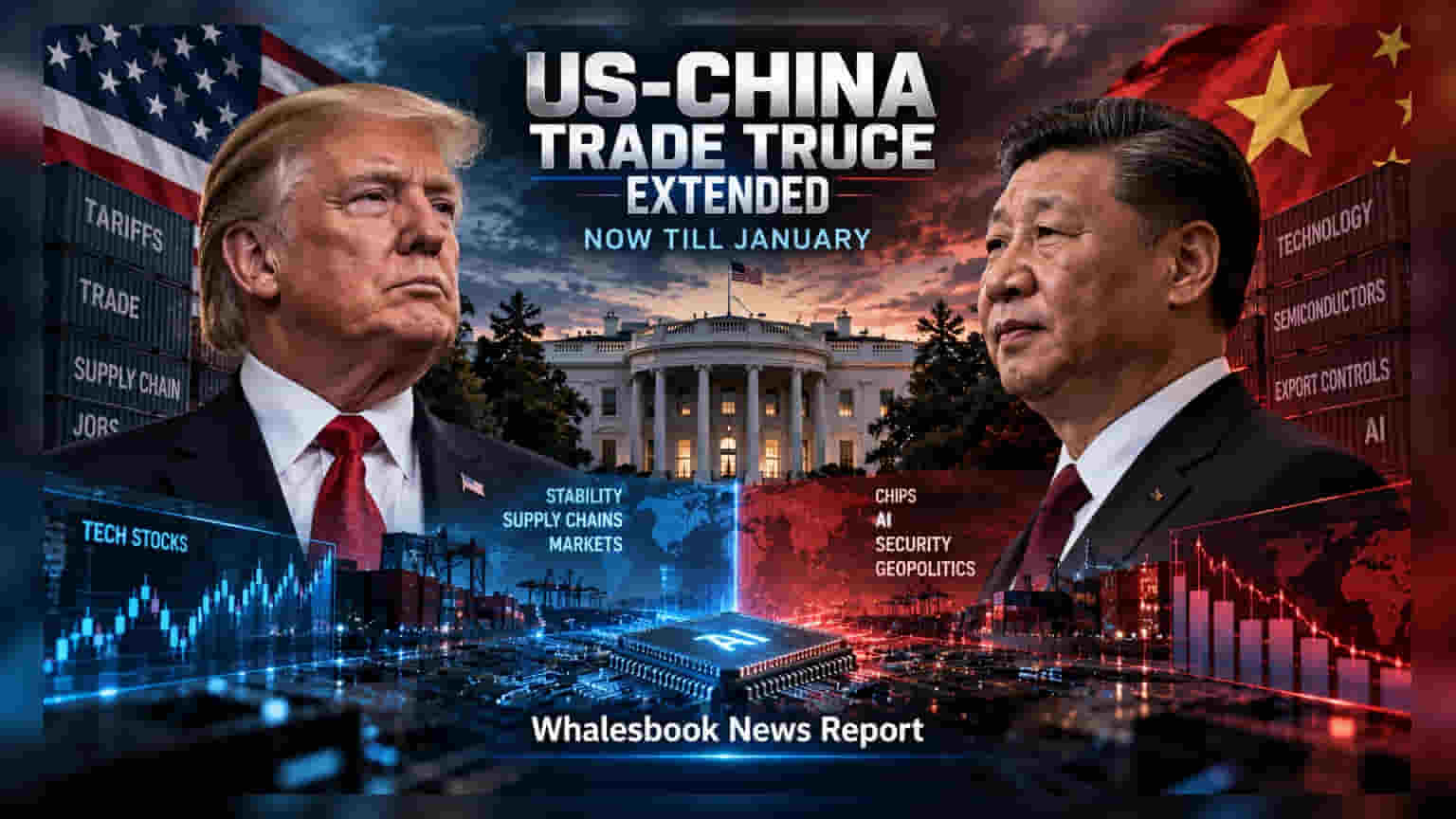
The US and China have extended their trade truce by two months, delaying immediate tariff escalation. While this brings temporary relief to global supply chains, ongoing tensions in AI technology and security keep uncertainty high. The extension provides a window until January to negotiate structural issues, with major implications for global tech and manufacturing supply chains.
The US and China have reached an agreement to extend their existing trade truce by two months, moving the expiration deadline from November 10 to January. This decision provides a temporary pause in tariff escalations, offering a short window of stability for global companies that rely on cross-border supply chains. However, while the immediate risk of higher duties is paused, the structural disagreements regarding technology exports, chip manufacturing, and security remain unresolved.
The discussions are taking place against a backdrop of deep friction in the technology sector, specifically regarding artificial intelligence and semiconductor access. The involvement of major technology leaders at recent high-level meetings highlights how integrated the private sector has become in the national security strategies of both nations. For global investors, this means the tension is not just about trade, but about who controls the future of essential technologies like AI and computing hardware. The uncertainty around chip access and export controls continues to influence decision-making for large tech firms.
For Indian investors, the ongoing US-China geopolitical tension carries several layers of importance. Historically, periods of intense trade friction between the two superpowers have encouraged global companies to look for alternative manufacturing bases to reduce their reliance on China. This 'China plus one' strategy has been a long-term supporting factor for India's push in electronics manufacturing and supply chain integration. Continued uncertainty may keep this trend alive, as companies seek to diversify their operational risk.
However, the volatility in US-China relations can also create ripples in global equity markets. Indian information technology companies, which are deeply connected to the spending patterns and research priorities of large global technology clients, often face indirect pressure when there is major geopolitical instability or shifts in global tech budgets. Investors should keep an eye on how these tensions impact global sentiment toward technology stocks, as sharp swings in developed markets often influence trading patterns in India.
Looking ahead, the next significant update will be the outcome of the broader negotiations expected by January. The market will likely focus on whether the two sides can move beyond temporary pauses to address deeper disagreements on technology access and security. Until then, any further comments on trade policy, AI regulations, or regional security issues in areas like Taiwan could lead to fluctuations in global sentiment and impact the performance of sectors tied to international trade and technology.