

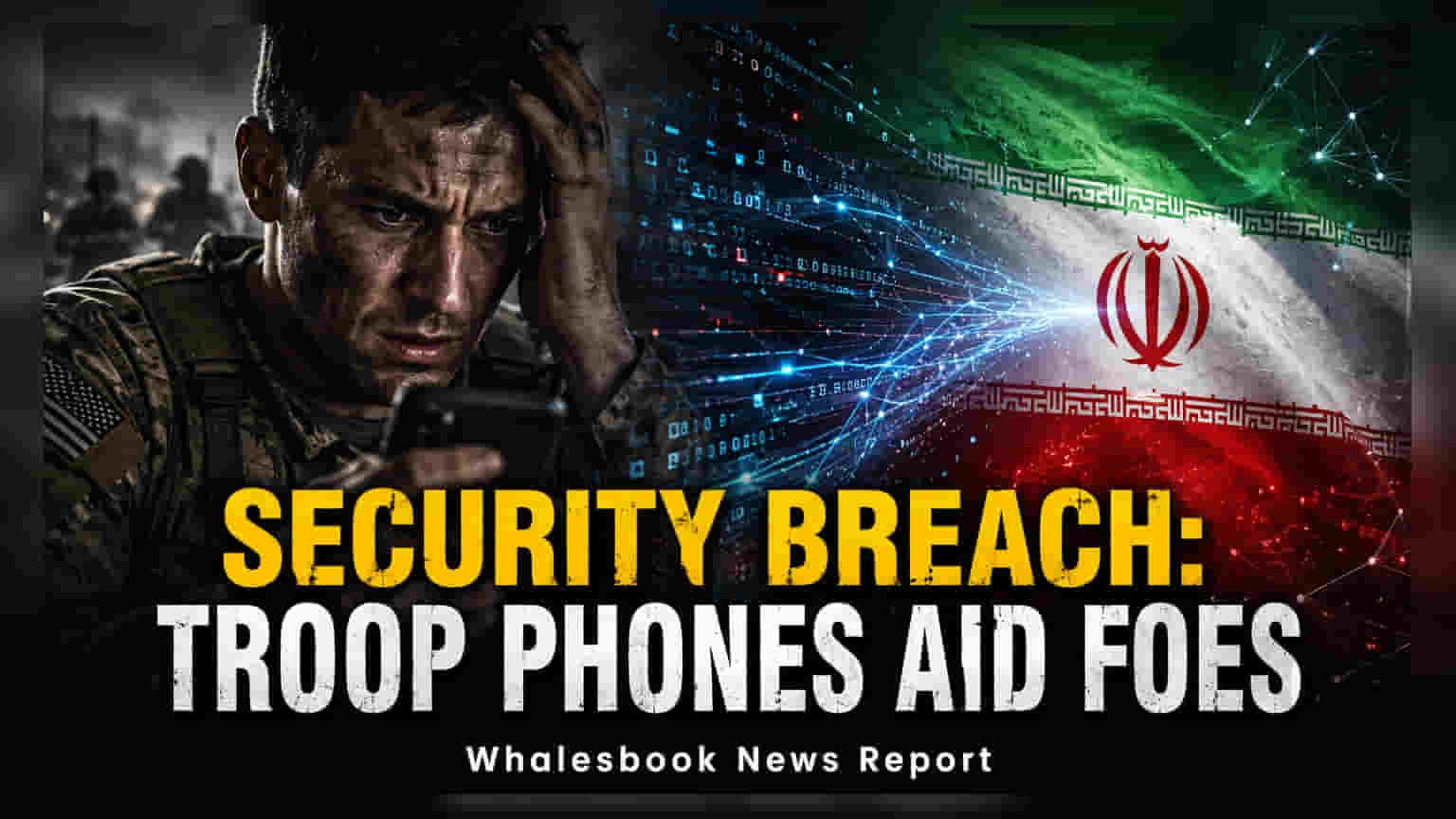
US Central Command warns that soldiers sharing videos online are helping Iran assess the impact of its strikes. The military is considering strict mobile device restrictions for troops in the region to protect operational security. This development highlights the growing risks of open-source intelligence in modern conflict zones.
Admiral Brad Cooper, the top commander for the United States Central Command, has issued a formal warning to troops deployed in the Middle East regarding the security risks of social media usage. The military leader highlighted that cellphone videos and photographs shared online provide adversaries, specifically Iran, with near real-time data on the effectiveness of military strikes.
Operational Risks from Digital Footprints
The warning centers on how open-source information allows opponents to conduct accurate battle damage assessments, a process that is otherwise hampered by electronic jamming and battlefield conditions. Admiral Cooper pointed to a specific incident involving footage captured on camera-equipped smart glasses at the Muwaffaq Salti Air Base. By posting such content on platforms like Instagram, military personnel inadvertently reveal tactical outcomes that enable adversaries to refine follow-up attack strategies.
Potential Policy Shifts and Security Measures
While the memo primarily focuses on reinforcing operational security protocols, it has triggered internal discussions regarding more restrictive measures. Reports indicate that leadership is considering a policy that could require personnel in sensitive areas, such as Jordan, to surrender their mobile devices. This move underscores the difficulty of maintaining secrecy in an era where high-resolution recording devices are integrated into daily personal technology.
Beyond immediate video sharing, US officials have raised long-standing concerns about how other common technologies, including GPS-enabled fitness trackers, can expose the precise locations of military personnel. These concerns have led to increasingly tight controls over information released by the Pentagon, often resulting in limited public commentary regarding specific incidents or casualty reports.
The military leadership maintains that the cost of these digital disclosures is high, potentially directly endangering the lives of service members and civilian residents in Gulf countries. As tensions remain elevated, investors and global observers should monitor whether the US military implements a broader, standardized ban on mobile devices in conflict-affected regions, which would represent a significant shift in how communication is managed for deployed troops.