

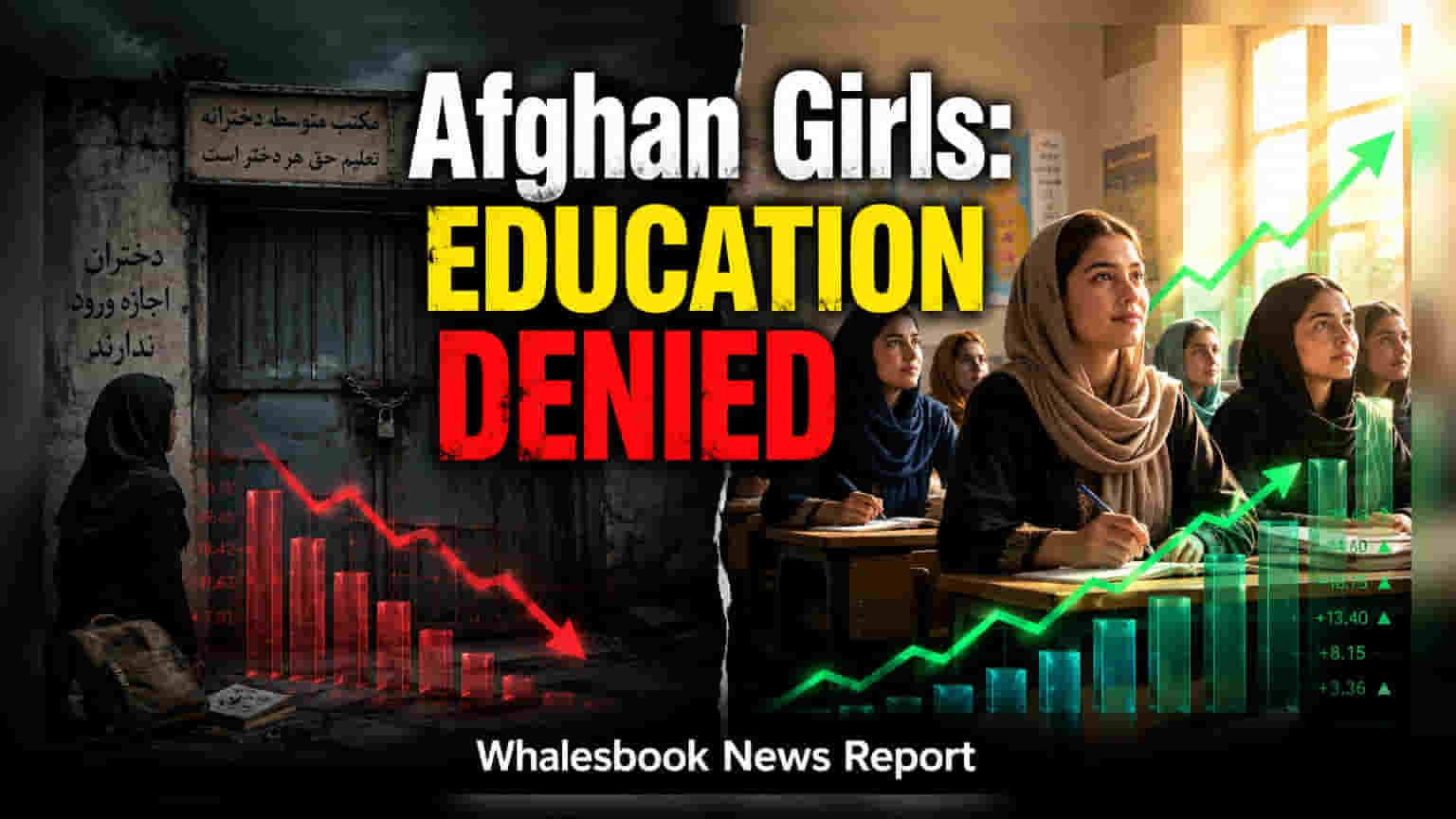
UNESCO reports that 2.4 million Afghan girls remain excluded from secondary education five years after the Taliban returned to power. Afghanistan stands as the only country globally to enforce a formal ban on female access to secondary and higher education, effectively reversing two decades of development progress.
Five years after the Taliban regained control of Afghanistan in August 2021, an estimated 2.4 million girls are still denied access to secondary and higher education. The United Nations Educational, Scientific and Cultural Organisation (UNESCO) has renewed its urgent call for the immediate restoration of educational rights, describing the continued exclusion as a severe violation of fundamental human rights.
Afghanistan remains the only country in the world that maintains a formal, nationwide prohibition against girls and women attending secondary and tertiary educational institutions. This policy represents a complete reversal of the progress achieved over the two decades prior to 2021, when enrollment rates for girls had seen significant improvement. According to UNESCO, the five-year ban is not merely a temporary disruption but has effectively prevented a generation of students from completing a full secondary school cycle.
From a socio-economic perspective, the long-term impact of this exclusion is significant. Access to education is a primary driver of human capital development, social stability, and future economic participation. By limiting the educational prospects of millions of girls, the policy restricts the country's potential future workforce and social progress.
Despite the formal restrictions, UNESCO is continuing its advocacy and efforts to sustain learning opportunities. The organization supports various community-based education programs and literacy classes, which are often conducted through informal, local initiatives or within homes. These efforts serve as a lifeline to maintain some level of educational continuity in a restricted environment.
The international community remains focused on whether diplomatic pressure and ongoing advocacy efforts can influence a change in policy. For observers, the key monitorables moving forward include the status of these community-based education programs and any shift in the Taliban's stance regarding female education, which remains the country's most significant hurdle to restoring educational access.