

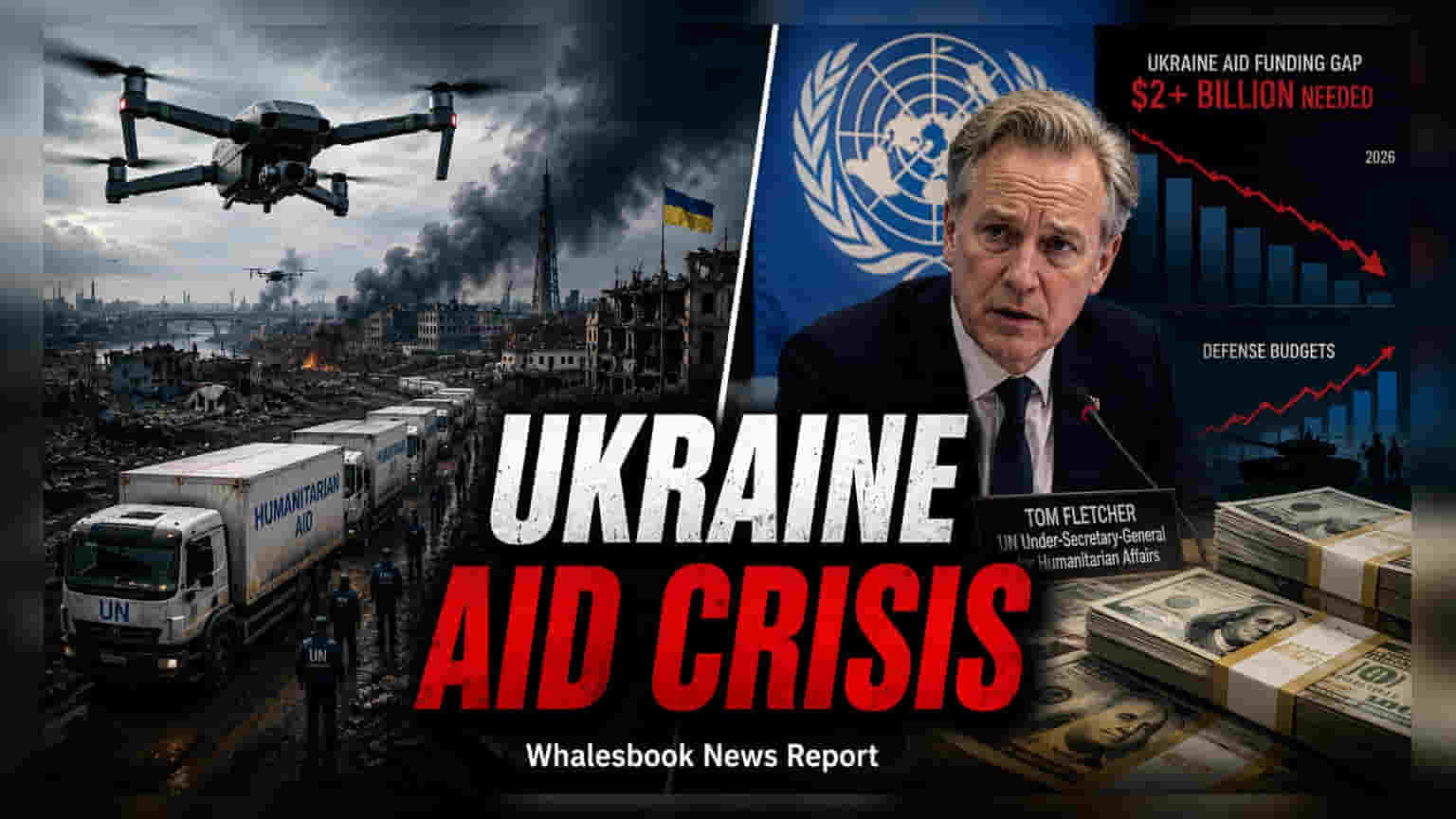
UN humanitarian chief Tom Fletcher has urgently requested $2 billion for Ukraine, citing severe disruptions to aid caused by escalating drone attacks. Beyond the humanitarian toll, the ongoing conflict is creating logistical challenges, with some businesses in the region now seeking government financial support to cover operational losses from damage to their facilities.
The United Nations humanitarian chief, Tom Fletcher, has issued a fresh plea for over $2 billion in funding to sustain priority operations in Ukraine. This urgent request comes as intensified drone warfare in the region is creating a significant barrier to the delivery of essential aid. Fletcher emphasized that the combination of damaged energy infrastructure and the constant threat of drone strikes is pushing the humanitarian situation to a critical point, especially with winter approaching.
Business Impact and Logistical Hurdles
While the primary focus of the appeal is humanitarian, the escalation in drone activity is also impacting the broader economy. The conflict is increasingly affecting supply chains and logistical operations within the region. Reports indicate that some large Russian e-commerce firms, which have faced operational disruptions and damage to warehouses due to drone strikes, have begun seeking state financial assistance. These businesses are grappling with the rising costs of property damage and the difficulty of maintaining consistent delivery networks in a conflict-prone environment.
Rising Geopolitical Tensions
The situation is further complicated by rising geopolitical friction. On August 18, 2026, Russia issued a formal warning to the United Kingdom, citing potential consequences for the supply of drones to Ukraine. This diplomatic escalation adds a layer of uncertainty for markets that rely on trade routes or energy supplies linked to the region. The hardening of positions between international powers regarding military support for Ukraine continues to be a factor that traders and investors watch closely for signs of further instability.
Operational Risks for Aid and Infrastructure
The humanitarian crisis faces a dual challenge: a severe funding gap and an operating environment where standard protections are failing. Despite international laws meant to safeguard relief personnel, aid groups report that their vehicles and teams are being targeted. This has forced organizations to rethink how they deliver food, water, and power equipment to civilians, particularly in front-line cities like Kherson.
Investors and observers are monitoring how these ongoing disruptions to infrastructure and logistics might affect regional stability. The immediate monitorable for the coming months will be whether the requested $2 billion funding is secured, as this will determine the extent to which essential services can be maintained throughout the harsh winter. Additionally, the ability of local businesses to secure state support or navigate these supply chain risks will be a key indicator of how far the economic impact of the conflict continues to spread beyond the combat zones.