 Whalesbook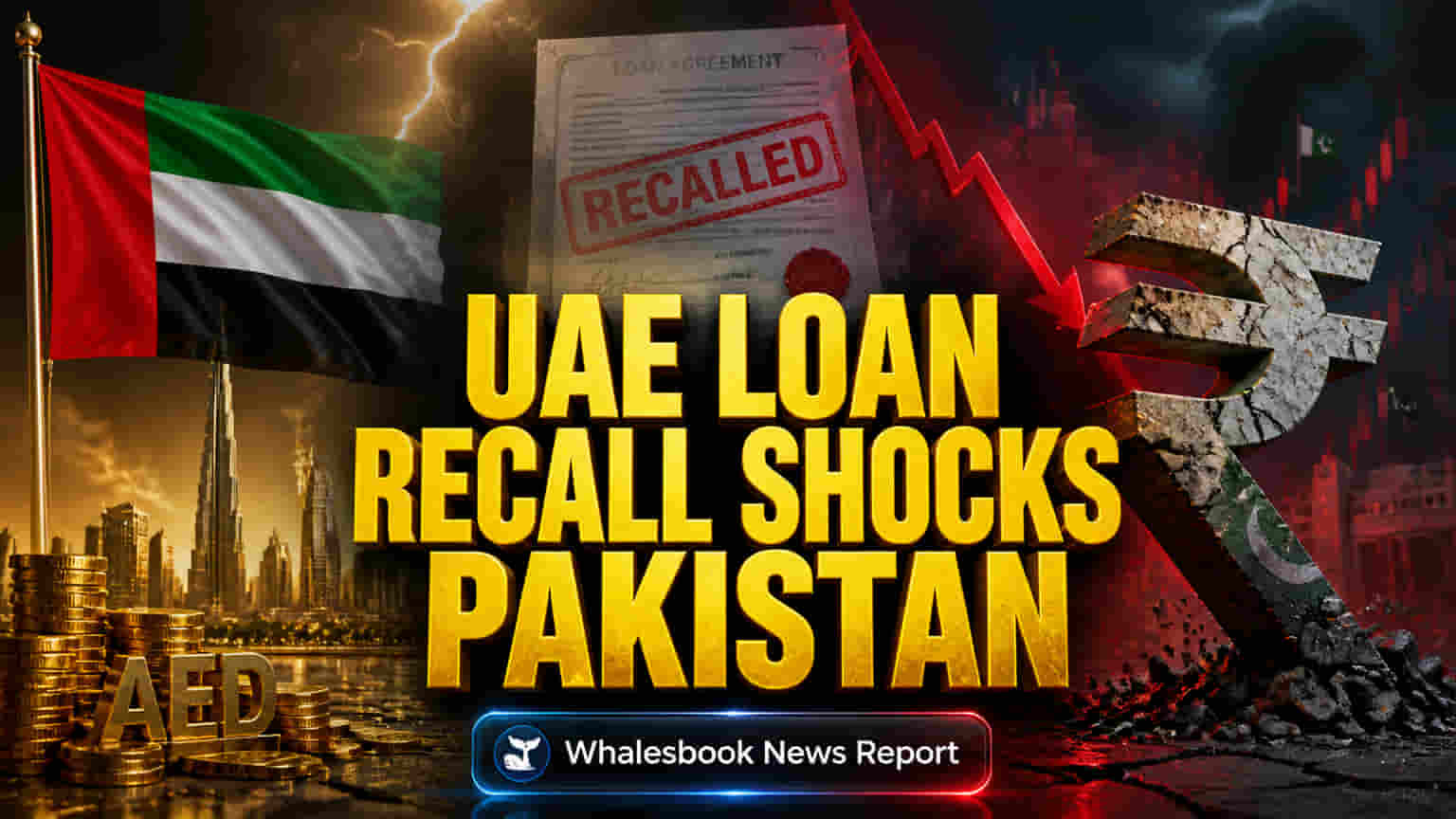


UAE's Stance Shifts Amid Geopolitical Friction
The sudden demand from the United Arab Emirates for Pakistan to repay $3.5 billion by April 2026 ends a long-standing practice of automatic annual rollovers. This shift stems from deepening diplomatic friction and the UAE's changing strategic priorities. Abu Dhabi is unhappy with Pakistan's perceived neutral stance on the US-Iran conflict in early 2026, which included Iranian strikes on Emirati infrastructure. The UAE has taken a tougher stance against Tehran, closing its embassy there. It viewed Pakistan's mediation attempts as unreliable. This geopolitical shift also reflects disapproval of Pakistan's closer defense ties with Saudi Arabia, which place Islamabad in a camp conflicting with Abu Dhabi's regional interests, especially in Yemen and Sudan.
Saudi Arabia Provides Crucial Support
Saudi Arabia has provided crucial financial support in response to the UAE's demand. Riyadh pledged a $3 billion deposit to Pakistan's central bank and extended the rollover for an existing $5 billion deposit. This $8 billion package helped Pakistan meet its obligation to the UAE. Deeper financial and defense ties, including a mutual defense pact in 2025, highlight a regional shift towards transactional alliances. While this Saudi support offers immediate relief, it increases Pakistan's dependence on one major creditor, limiting its economic flexibility.
Pakistan's Deepening Debt Crisis
Pakistan's external debt remains a critical challenge despite the Saudi support. By late 2025, total external debt and liabilities exceeded $138 billion, a figure that has been steadily rising. Pakistan's economy relies heavily on continuous external financing from institutions like the IMF and World Bank, plus bilateral partners, to service debt and manage its balance of payments. This creates a 'debt trap,' where high repayment costs, low domestic revenue, and declining exports limit economic sovereignty and growth. Ongoing regional conflicts, especially the US-Iran war, have worsened this by sharply increasing Pakistan's oil import bill, from $300 million to $800 million weekly, widening the current account deficit and straining foreign exchange reserves. Foreign exchange reserves recently rose to about $21 billion by April 2026, but this level remains fragile and vulnerable to external shocks.
UAE Pursues Transactional Foreign Policy
The UAE's decision to demand prompt repayment, ending automatic rollovers, reflects an evolution in its foreign policy towards a more pragmatic, transaction-driven approach. This shift includes a strategic pivot to strengthen economic and security ties with India. The UAE sees India as a key economic partner, reducing its long-term reliance on Pakistan as a strategic ally. The UAE's recent exit from OPEC signals a move away from collective action towards unilateral strategies, aligning closer with the US and tailoring energy policy for partners like India. This reorientation means traditional, unconditional support is increasingly replaced by diplomacy based on political alignment and economic benefit.
Credit Ratings Signal High Risk
Pakistan's sovereign credit rating of 'B-' by Fitch and S&P, and 'Caa1' by Moody's, signals substantial credit vulnerabilities and high risk. The nation's external debt is mostly long-term and concessional, with an average interest cost of about 4% for public external debt. However, the sheer volume of debt and high interest payments relative to revenue remain significant constraints. Timely financing from official partners like the IMF and bilateral creditors is critical; any delay poses a severe risk. Susceptibility to commodity price shocks, especially oil, can quickly deplete foreign exchange reserves and derail economic stability, potentially jeopardizing its IMF program. Moody's notes that weak governance and high political uncertainty are significant credit impediments. Investors are concerned about the government's track record in consistently implementing necessary reforms for long-term debt sustainability, given historical economic management volatility.
IMF Review and Path Forward
The International Monetary Fund's Executive Board is set to consider a $1.2 billion disbursement for Pakistan on May 8, 2026, following a staff-level agreement on its Extended Fund Facility and Resilience and Sustainability Facility programs. Approval is crucial for boosting foreign exchange reserves and continuing the reform agenda. However, Pakistan's economic stability depends on diversifying financing sources, addressing fiscal weaknesses, and navigating complex geopolitics. Reliance on bilateral support offers short-term relief but little assurance against future external shocks or geopolitical shifts. The path forward requires consistent reform, improved balance of payments through export growth and controlled imports, to escape the debt trap.