 Whalesbook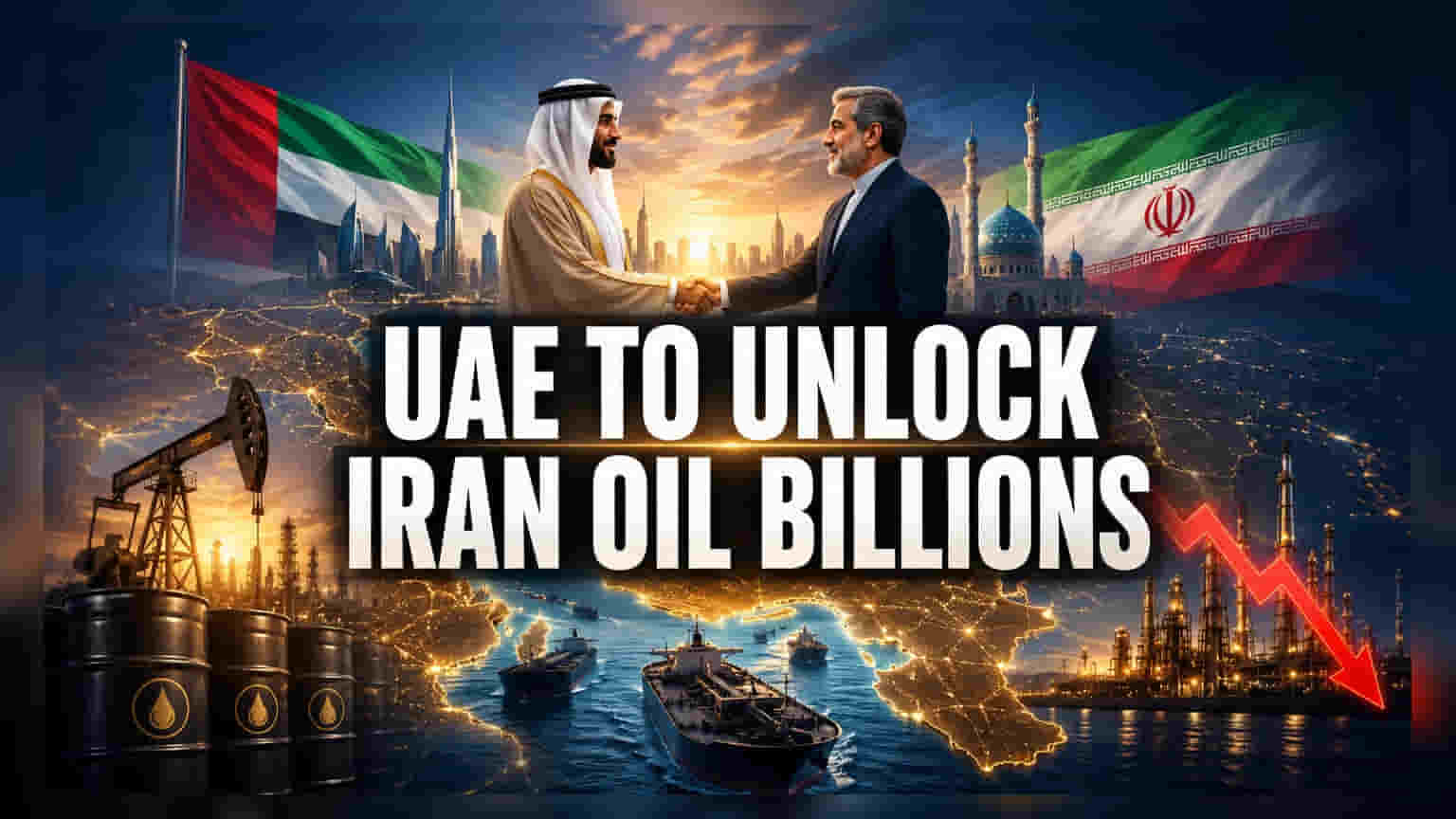


The United Arab Emirates has reportedly moved to release billions of dollars to Iran as part of a significant diplomatic effort to ease regional tensions. For Indian investors, this de-escalation signal is a crucial development, as it directly impacts global oil price stability, shipping routes, and inflation concerns that have recently weighed on the Nifty and Sensex.
What Happened
In a significant diplomatic shift, the United Arab Emirates has reportedly agreed to unlock billions of dollars in frozen Iranian oil revenues. This move is part of broader negotiations involving the United States and Iran, aimed at de-escalating the ongoing conflict in the Middle East. While official confirmations remain cautious, reports indicate a commitment to release substantial funds, potentially reaching $10 billion to $20 billion, contingent on Iran ensuring a halt to regional attacks. This development marks a notable pivot toward regional stability, offering a potential pathway for easing the geopolitical friction that has dominated global energy headlines throughout 2026.
Why This Matters For Investors
For Indian markets, the Middle East is more than just a geopolitical region; it is an economic lifeline. India imports over 80% of its crude oil requirements, a large portion of which travels through or originates from this region. Recent months have seen heightened volatility in Indian equities, with market participants closely monitoring the safety of the Strait of Hormuz, a critical transit chokepoint. Any news that suggests a reduction in hostilities serves as a potential 'risk-off' signal for the markets. Lower geopolitical risk usually correlates with reduced pressure on crude oil prices, which directly aids India’s current account deficit and inflation outlook. When oil prices stabilize, the broader macro environment for India’s manufacturing and transport sectors tends to improve.
How Investors May Read This
Investors often view such diplomatic moves through the lens of 'risk premium.' When tensions run high, investors demand a higher risk premium, which often manifests as higher oil prices and volatile currency markets. A move toward de-escalation can lower this premium. If the market perceives this arrangement as a durable step toward peace rather than a temporary pause, it could lead to a more positive sentiment across sectors sensitive to global supply chain disruptions. However, investors are generally cautious until such deals translate into tangible changes, such as normalized shipping insurance costs and clearer energy supply paths.
Sector And Economic Impact
Indian markets have been highly sensitive to developments in the Gulf this year. Sectors such as Oil Marketing Companies (OMCs) have been under watch due to the volatility in input costs driven by supply fears. Additionally, large infrastructure and engineering firms with significant order books tied to the Middle East—including major projects in the UAE and surrounding regions—often benefit from a more stable geopolitical environment. A de-escalation would likely support these firms by reducing the risk of project delays and cost overruns associated with logistical bottlenecks or regional insecurity.
Potential Risks and Concerns
While the news is being viewed as a positive signal, geopolitical deals are inherently fragile. Investors should be aware that the success of this arrangement is not guaranteed. The history of such high-stakes negotiations shows that progress can be quickly reversed by fresh accusations, localized conflicts, or changes in the stance of the primary global powers involved. For shareholders, the risk remains that any return to hostilities could immediately snap back to the previous volatility, impacting energy costs and inflation projections again. The market's reaction will likely remain guarded until there is consistent evidence that the de-escalation is taking hold on the ground.
What Investors Should Track Next
Moving forward, the primary monitorable for the market is the sustained movement of crude oil prices. A consistent decline or stabilization in Brent crude would be a key indicator of market relief. Investors will also look for official statements from the involved governments regarding the actual flow of funds and any subsequent impact on shipping traffic through the Strait of Hormuz. Management commentary from Indian companies with high exposure to Middle Eastern infrastructure or trade will also provide vital insights into whether the regional business environment is truly normalizing.