

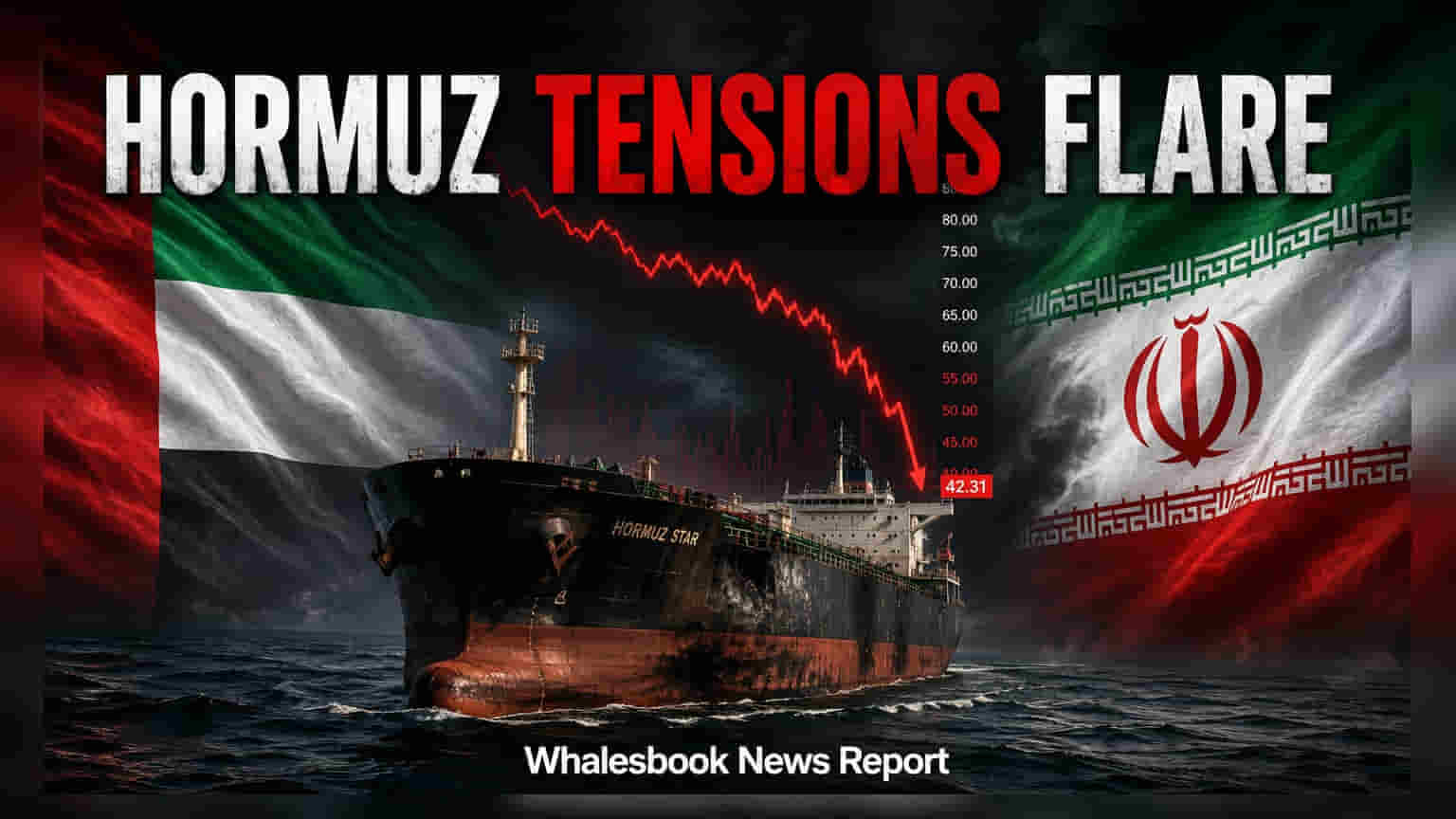
The UAE has accused Iran of using drones to target two oil tankers operated by ADNOC in the Strait of Hormuz. With the waterway facing severe transit restrictions since February 2026, this incident has driven up global oil prices, potentially impacting energy import costs for Indian oil marketing companies.
The United Arab Emirates (UAE) has officially accused Iran of conducting drone attacks against two oil tankers operated by the Abu Dhabi National Oil Company (ADNOC) while they were transiting the Strait of Hormuz on Thursday evening. The UAE authorities labeled the incident as an act of piracy and a violation of navigation principles. While the vessels sustained only minor damage and there were no reported casualties, the incident has brought renewed attention to the security of one of the world's most critical energy chokepoints.
The Strait of Hormuz has been under severe transit restrictions and intermittent effective closure since February 2026, amid the ongoing U.S.-Iran conflict. This latest development has heightened concerns about the flow of energy supplies, leading to an immediate upward trend in global crude oil prices, including Brent and WTI, on Friday, August 14, 2026.
For Indian investors, the direct impact of this incident lies in its effect on the global energy market. India is a major importer of crude oil, and spikes in global oil prices directly influence the input costs for Oil Marketing Companies (OMCs) such as Indian Oil Corporation (IOC), Bharat Petroleum Corporation (BPCL), and Hindustan Petroleum Corporation (HPCL). When global oil prices surge due to supply chain fears or geopolitical tensions, it can put pressure on the refining margins and import bills of these companies, depending on their ability to pass on costs to consumers.
Furthermore, the incident highlights persistent operational risks for global shipping and trade. The effective closure of the Strait of Hormuz has already made logistics complex and expensive. Continued regional instability and drone attacks against commercial vessels raise the possibility of increased insurance premiums for maritime shipping and further disruptions to energy supply lines. While ADNOC and its subsidiaries are listed on the Abu Dhabi Securities Exchange and are not traded on Indian exchanges, the macroeconomic effects of energy market volatility are felt throughout the Indian equity market, particularly in sectors dependent on fuel and energy costs.
Investors should monitor global crude oil benchmarks, as sustained price increases driven by these geopolitical risks could influence sector sentiment and inflation expectations in India. The next major update will likely depend on any further diplomatic or military escalations in the region and how global markets react to the ongoing supply chain constraints in the Strait of Hormuz.