 Whalesbook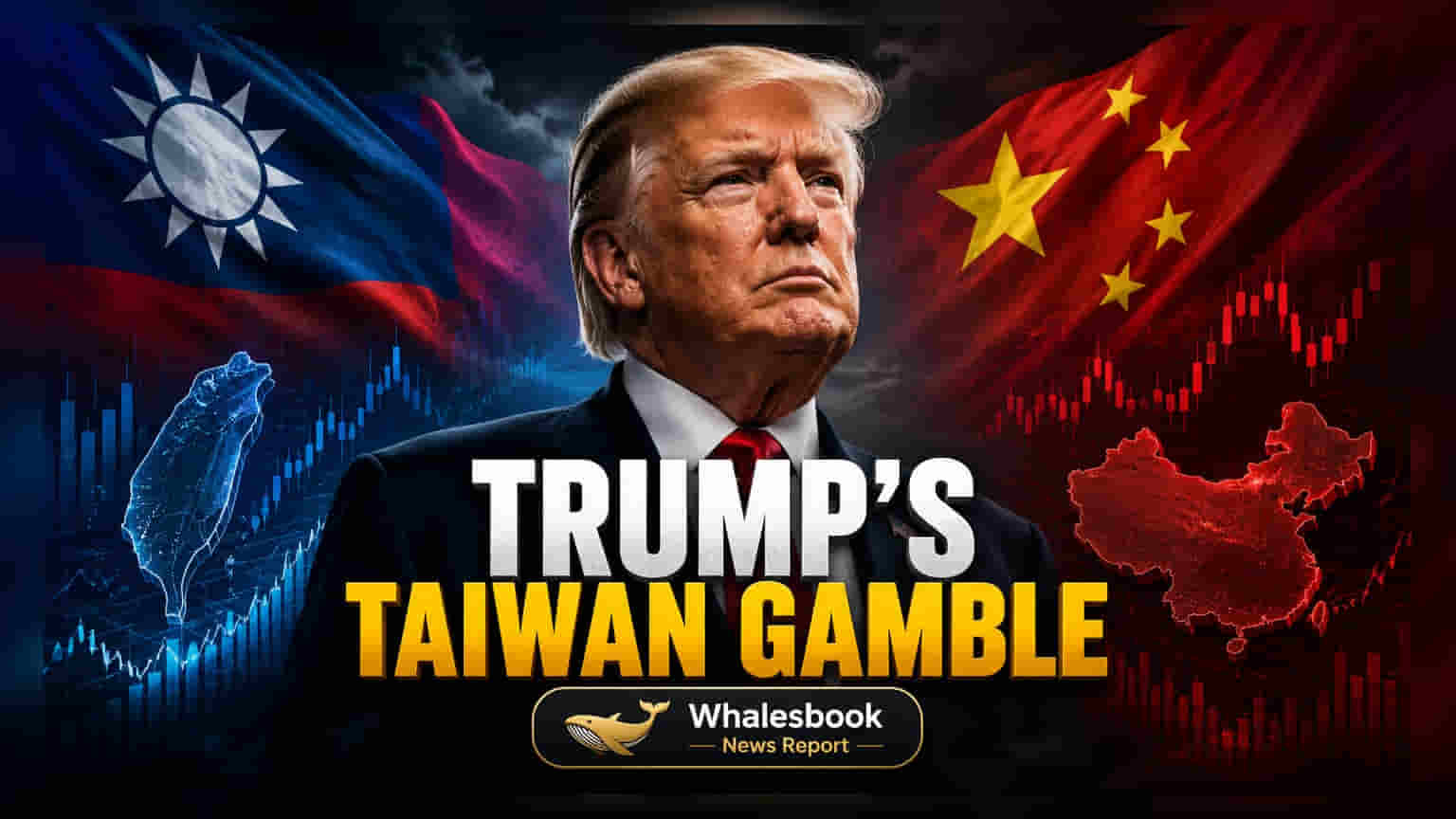


President Trump's indication of a willingness to engage directly with Taiwan's President William Lai Ching-te represents a significant deviation from U.S. policy since 1979. This potential direct contact risks escalating tensions with China, which views Taiwan as a renegade province.
The move could unravel recent diplomatic efforts and complicate a substantial arms deal. Taiwan's Ministry of Foreign Affairs has indicated President Lai would welcome such a call, framing it within the context of regional stability. However, Lai has also identified China as a "disruptor of peace and stability," underscoring Taiwan's defensive stance against Beijing's assertions.
China's Ministry of Foreign Affairs has unequivocally stated its opposition to official exchanges between the United States and Taiwan, including proposed arms sales. Analysts suggest that Trump's direct engagement could echo the repercussions of former House Speaker Nancy Pelosi's 2022 visit, which led to heightened military activities and a deterioration in U.S.-China relations.
This historical precedent, coupled with Beijing's strong stance, suggests a predictable and forceful response from China. The U.S. remains committed to Taiwan's defense under the Taiwan Relations Act, yet direct leader-level communication is anticipated to provoke substantial friction.
This situation draws parallels to a 2016 call between then-President-elect Trump and Taiwan's then-President Tsai Ing-wen. That event triggered a strong diplomatic protest from Beijing, which accused the U.S. of undermining the "One China" policy. Some experts believe that advisors may remind Trump of these past reactions, potentially influencing his final decision.
Trump's diplomatic style is widely characterized by unpredictability. His openness to engaging with Taiwan, even considering arms sales discussions with Chinese leader Xi Jinping, could be perceived by some as a strategic gain for Beijing, as a more conventional U.S. president might avoid such sensitive dialogues. Trump's public statements, including calls for China to "cool down" and his ambiguous stance on a $14 billion arms deal, introduce layers of uncertainty into the U.S.-Taiwan relationship and its broader implications for Sino-American ties. Taiwan's Defense Minister Wellington Koo has expressed cautious optimism regarding ongoing arms acquisitions, highlighting Taipei's reliance on U.S. military support.