 Whalesbook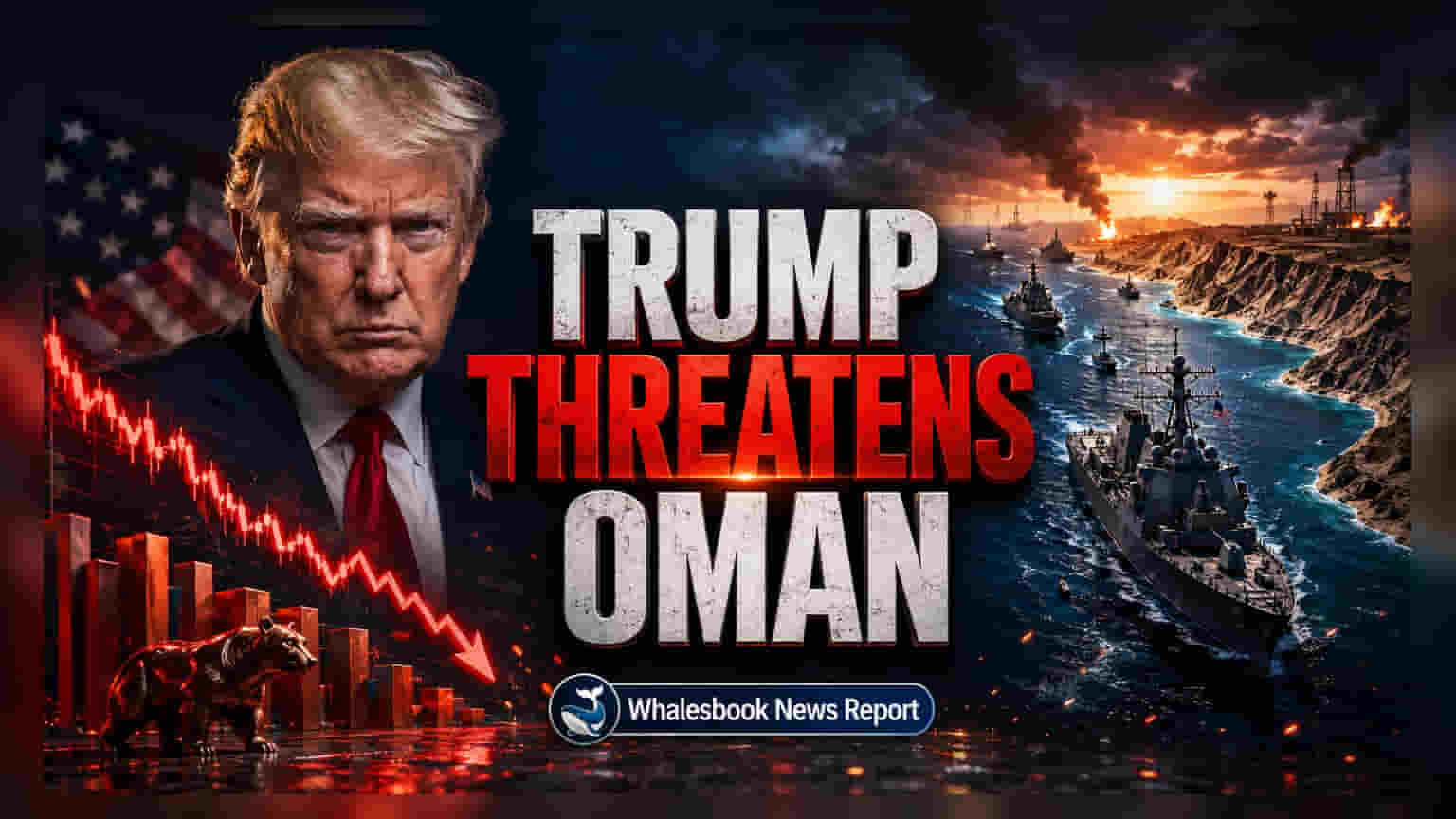


The Geopolitical Brinksmanship
The declaration that the United States would utilize force against Oman should it attempt to manage traffic through the Strait of Hormuz marks a radical departure from the historically nuanced diplomatic engagement between Washington and Muscat. This escalation effectively weaponizes the rhetoric surrounding the waterway, where roughly one-fifth of the world’s petroleum supply transits daily. By publicly targeting a nation that has long served as a back-channel for U.S.-Iran negotiations, the administration has effectively signaled the exhaustion of traditional diplomatic buffers, forcing global energy markets to price in a higher probability of maritime disruption.
Impact on Energy Market Volatility
Historically, the Strait of Hormuz has functioned as a pressure gauge for global oil prices. Any suggestion of state-level interference in this chokepoint historically triggers a swift response in the crude futures markets, particularly regarding Brent and WTI contracts. While market participants often dismiss such threats as posturing, the specific inclusion of Oman—a state traditionally viewed as neutral—suggests a breakdown in regional maritime governance. Unlike previous periods of tension where U.S. naval dominance remained unchallenged, the current environment is defined by the proliferation of anti-ship capabilities and the integration of sophisticated drone surveillance, making the prospect of 'enforcement' significantly more costly and structurally complex for commercial shipping insurers.
The Forensic Risk Assessment
The fundamental danger here lies in the loss of Oman’s role as the primary intermediary for regional de-escalation. Should Muscat be forced to align strictly with either Iranian or U.S. interests, the mechanism for preventing miscalculation during naval encounters effectively vanishes. Analysts note that while Iran’s claims of a joint-oversight agreement were dismissed by the Department of State, the underlying strategic goal—the normalization of Iranian authority over the passage—remains a core objective for Tehran. A primary structural weakness in this current scenario is the lack of a clear exit strategy for the U.S. if Omani officials continue to pursue their own maritime security architecture independent of Washington’s preferences. Furthermore, investors should remain wary of the potential for sudden insurance premium spikes on tankers, which directly correlates with margin compression for shipping firms operating in the Persian Gulf.
Future Trajectory
Forward-looking sentiment among regional security analysts suggests that the risk of a miscalculated skirmish has reached its highest level in decades. While official denials regarding a formal deal persist, the reality remains that the administrative control of the Strait is being contested in real-time. Markets will likely remain sensitive to any further signaling from the Omani Foreign Ministry, as any deviation from their long-standing neutrality could trigger rapid shifts in regional risk ratings and capital flows away from vulnerable energy-exposed assets.