

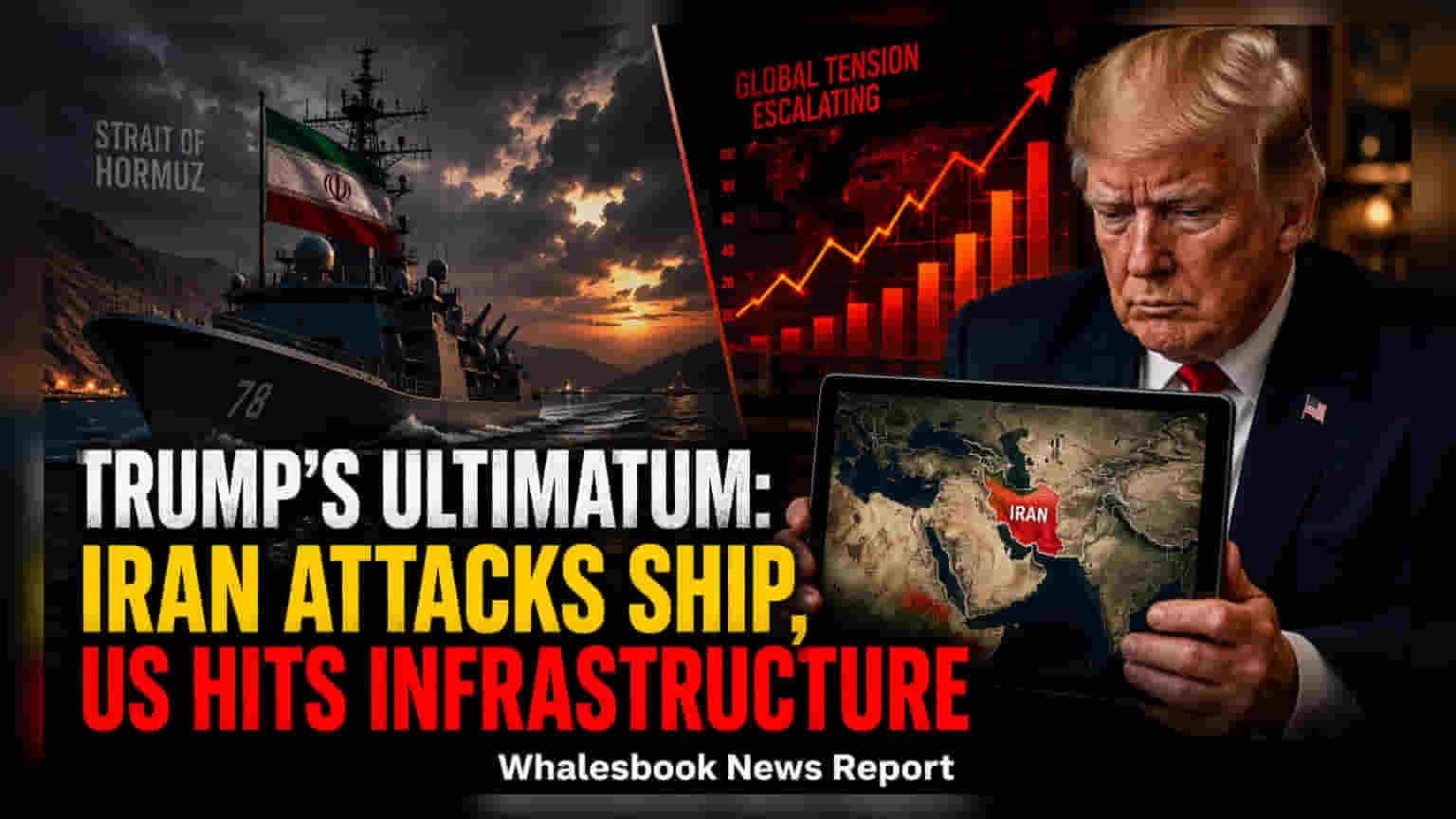
Former U.S. President Donald Trump has threatened to destroy Iranian power plants and bridges if Tehran attacks ships in the Strait of Hormuz. This geopolitical warning has increased global concern regarding stability in the Middle East and its potential impact on oil supply chains.
Detailed Coverage
Former U.S. President Donald Trump has issued a direct warning to the Islamic Republic of Iran, stating that any future attacks on vessels within the Strait of Hormuz will result in military action against key infrastructure. In a statement released on his social media platform, Trump specified that the retaliatory measures would target bridges and power plants, including those in or near the capital city of Tehran, regardless of the weaponry used by Iranian forces.
Impact on Global Energy Markets
The Strait of Hormuz serves as a critical maritime chokepoint for the global energy sector, with a significant portion of the world's daily oil production passing through its narrow waters. Historical experience shows that instability or threats of conflict in this region often lead to immediate volatility in international crude oil prices. For Indian investors, this development is relevant as India relies heavily on crude oil imports, a substantial portion of which originates from the Persian Gulf. Any disruption to traffic in the Strait of Hormuz could cause a spike in global energy costs, which may place pressure on India’s import bill, inflation levels, and the profit margins of oil-dependent sectors such as aviation, chemicals, and logistics.
Geopolitical Risk and Investor Sentiment
While this statement comes from a former president rather than an incumbent official, it adds to the ongoing geopolitical uncertainty in the Middle East. Markets generally react to such rhetoric by seeking safety, often leading to fluctuations in equity indices and currency markets. Increased tension in this region historically influences the movement of the Indian Rupee and can affect the stock performance of domestic companies that have high exposure to crude oil or operate significantly in international trade sectors.
Investors should monitor official statements from global governments and developments regarding maritime security in the region. The primary monitorable for the market will be whether these tensions lead to actual disruptions in oil shipping lanes, which would have a more tangible effect on energy prices and corporate earnings across various industries in India.