

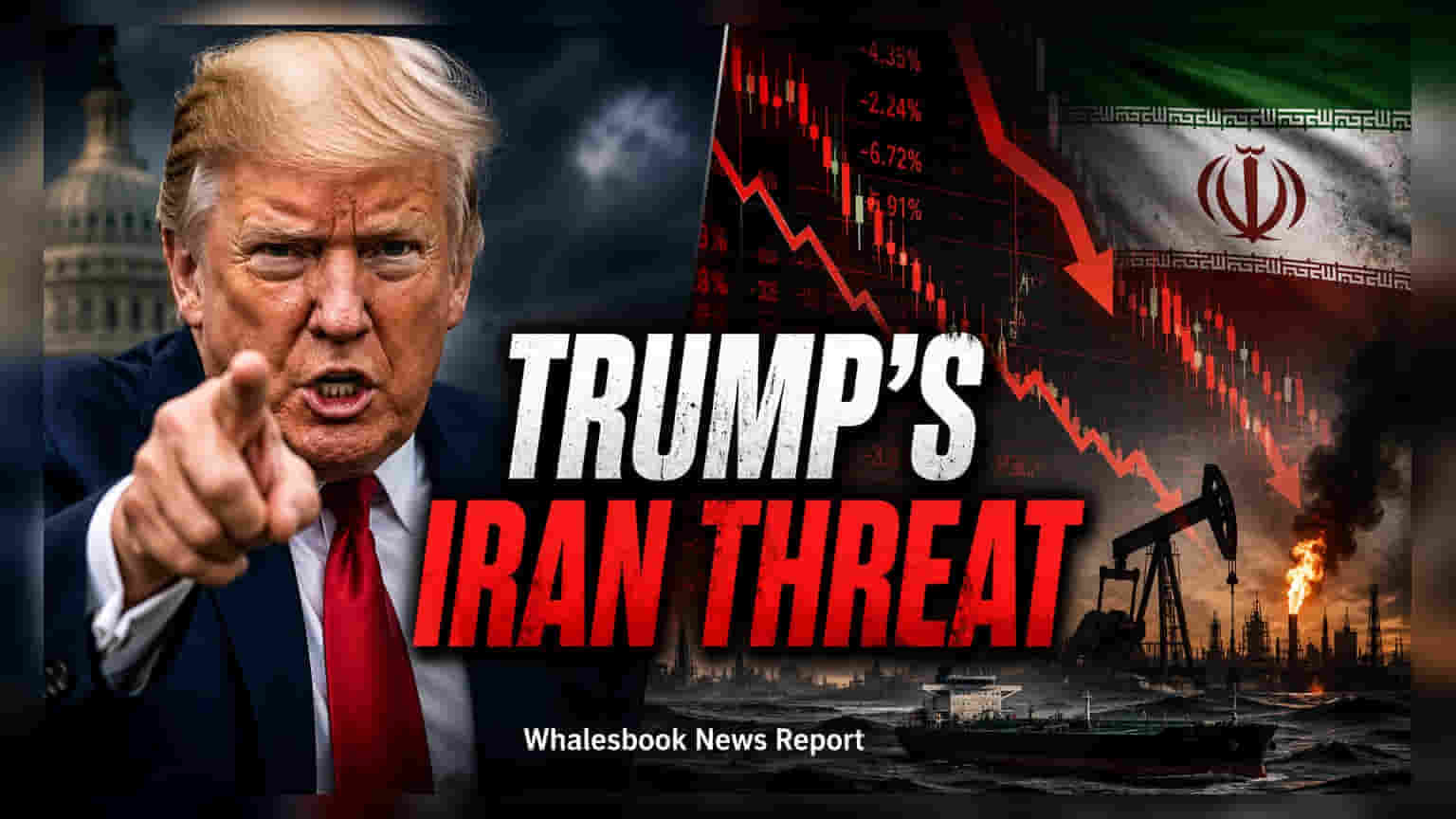
U.S. President Donald Trump has declared an extensive campaign of economic warfare against Iran, promising severe consequences for any nation or entity providing it with support. The announcement has introduced new volatility to global oil markets, as investors watch for potential disruptions in international shipping and trade compliance.
Former U.S. President Donald Trump announced on Wednesday, August 19, 2026, a new phase of economic pressure against Iran, describing it as an unprecedented campaign of economic warfare. In a statement posted on his social media platform, Trump warned that any government, financial institution, or business entity providing a "lifeline" to Iran would face severe economic consequences. This policy aims to isolate Tehran by targeting its international commercial and financial networks.
The announcement specifically targets a range of activities that have previously enabled Iran to navigate existing financial restrictions. These include the smuggling of oil, the use of financial swap arrangements, the operation of exchange houses, the use of front companies, and the registration of ships to bypass international trade rules. By threatening penalties on any entity facilitating these services, the administration is effectively putting global financial institutions and logistics companies on notice to re-evaluate their exposure to Iranian trade.
The geopolitical tension has immediate implications for global energy markets. Oil prices are sensitive to developments in the Middle East, particularly regarding the Strait of Hormuz, a critical transit route for global oil supplies. Traders often view escalations in U.S.-Iran relations as a signal for potential supply chain disruptions, which can lead to increased price volatility. Investors in the energy sector are monitoring whether these new warnings will translate into concrete enforcement actions that affect global oil supply volumes.
The regional landscape is also shifting as this pressure mounts. In recent developments, the United Arab Emirates has taken steps to sever economic ties with Tehran following reports of attacks on shipping. This regional realignment suggests that the economic isolation campaign may have broad repercussions for trade relationships across the Middle East. For international companies, this environment increases the compliance risk regarding cross-border transactions and shipping contracts.
For investors, the key monitorables over the coming weeks include the reaction of global oil prices to these threats and any specific follow-up actions from U.S. regulators regarding the implementation of these consequences. Market participants will also be watching for updates from international shipping registries and major financial hubs to see if the threat of retaliation alters their operations in the region. The potential for further supply chain instability remains a primary factor for those tracking global logistics and energy-linked investments.