

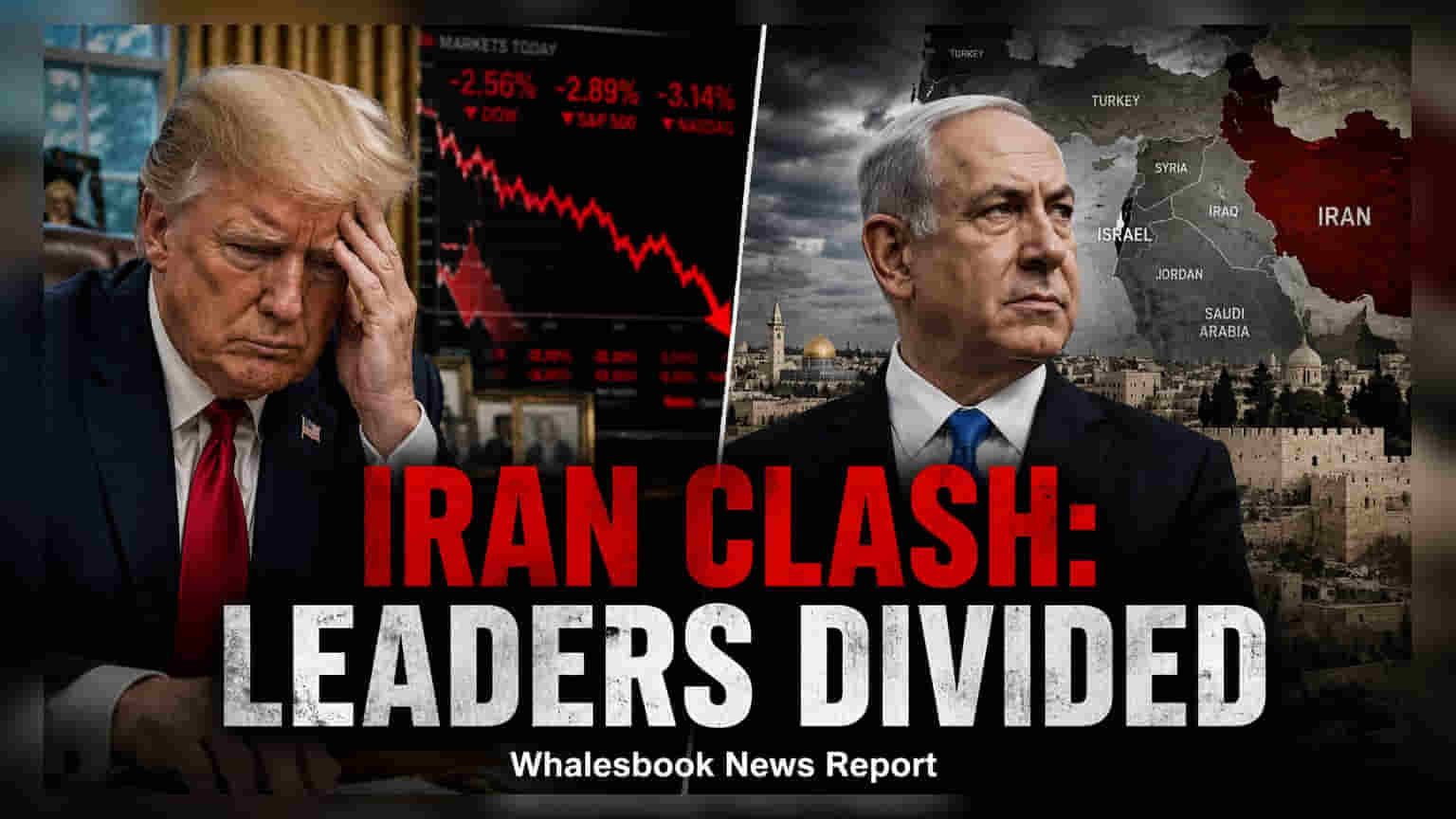
US President Donald Trump and Israeli PM Benjamin Netanyahu met to discuss Iran strategy and regional conflicts. The meeting highlights growing diplomatic differences between the two leaders over how to handle Iran's nuclear program and regional influence. Both leaders face domestic political challenges that are increasingly influencing their foreign policy decisions.
Detailed Coverage
US President Donald Trump and Israeli Prime Minister Benjamin Netanyahu met at the White House on Tuesday to address escalating tensions regarding Iran. This high-stakes meeting comes as both leaders manage significant domestic political pressures, with the US preparing for midterm elections and Israel navigating a complex re-election period for the Prime Minister.
Iran Strategy and Intelligence Disagreements
A primary point of tension involves intelligence regarding Iran's nuclear capabilities, particularly reports concerning activities at Pickaxe Mountain. During the discussions, President Trump expressed skepticism about the tactical value of publicly sharing this intelligence. Trump questioned whether the timing of such announcements was driven by a desire to keep the United States militarily engaged in the region. While the President acknowledged slight differences in their strategic approaches, he maintained that their overall objectives regarding Iran remain aligned.
Shifting Alliance and Regional Military Impact
The historical alignment between the two nations has faced recent tests. After an initial period of joint military operations, recent Iranian retaliations involving drone and missile strikes have created operational challenges in international shipping lanes. These disruptions have prompted a shift in the US stance, with President Trump showing a preference for diplomatic engagement with Tehran. This pivot stands in contrast to the Israeli government’s historical preference for sustained military pressure, leading some observers to suggest that the United States is now taking a more decisive role in directing the conflict's trajectory.
Diplomatic Hurdles in Gaza and Lebanon
Beyond Iran, the talks touched upon the stability of the broader region. Prime Minister Netanyahu sought to address US concerns regarding civilian casualties in Gaza, which have previously been a point of friction between the two administrations. Additionally, the leaders reviewed progress in Lebanon, where a pilot program involving the deployment of the Lebanese army into former Hezbollah strongholds is currently underway. However, the path to long-term stability remains uncertain, as proposed international stabilization forces for Gaza face logistical difficulties and challenges in securing necessary troop commitments from global partners. The next steps for the region will depend on whether these diplomatic efforts can overcome existing coordination hurdles and address the specific security requirements of both nations.