

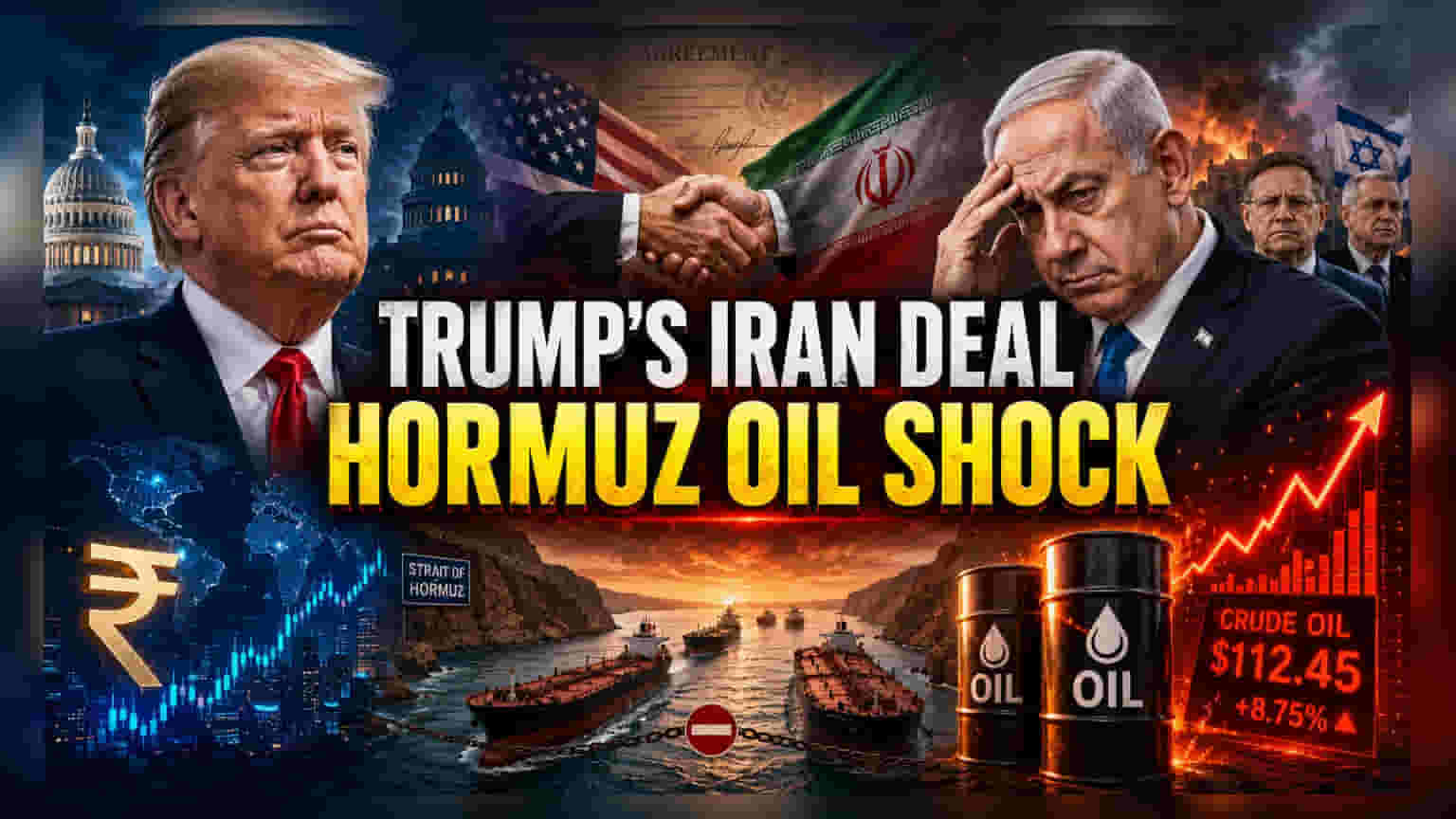
President Donald Trump has signed an interim deal with Iran, prompting significant political backlash from Israel and leading to the closure of the Strait of Hormuz. For investors, this creates immediate uncertainty regarding global energy supplies, shipping costs, and potential inflationary pressure on emerging markets like India.
What Happened
President Donald Trump has reached an interim agreement with Iran, aiming to halt joint military actions that had been escalating in the region. The news of the deal has triggered intense political backlash, with Israeli officials and public figures publicly criticizing the move as a betrayal of their security interests. As geopolitical tensions rise, reports indicate that Iran has closed the Strait of Hormuz, a vital maritime chokepoint. This development follows weeks of military friction in Lebanon and ongoing disputes between the involved nations.
The Economic Impact of the Hormuz Closure
The closure of the Strait of Hormuz is a material event for global markets. Approximately one-fifth of the world’s total oil consumption passes through this narrow passage. Any obstruction to this route typically creates immediate supply chain bottlenecks, driving up crude oil prices and increasing shipping insurance costs. For the Indian economy, which imports a vast majority of its oil requirements, this creates a direct risk. If oil prices remain elevated due to this disruption, it could impact the country’s import bill, widen the trade deficit, and put pressure on the Indian Rupee.
Why Investors Are Watching Oil Prices
Rising oil prices usually serve as a negative signal for sectors heavily dependent on energy, such as aviation, paints, and automobiles, as higher fuel costs can compress profit margins. Furthermore, sustained high energy costs are a key driver of inflation, which often leads central banks to maintain higher interest rates for longer periods. For investors, this environment creates a challenging landscape where profitability across various manufacturing and service sectors may face pressure. The market reaction will likely be dictated by how long the Strait of Hormuz remains closed and the effectiveness of any diplomatic efforts to reopen the route.
The Geopolitical Rift
The political fallout from the deal is significant. High-ranking Israeli officials, including members of Prime Minister Benjamin Netanyahu’s government, have voiced strong opposition to the agreement, viewing it as an abandonment of their security position. While U.S. officials have defended the administration's policy, the public nature of the disagreement reflects a strained alliance. This uncertainty creates a volatile backdrop for global investors, as markets typically react negatively to unpredictable shifts in long-standing diplomatic relations and sudden military escalations.
What Investors Should Track
The most critical monitorable for investors in the coming days will be the status of the Strait of Hormuz and global crude oil price movements. Market participants will also look for management commentary from companies heavily exposed to oil imports or shipping logistics to gauge the potential impact on quarterly results. Additionally, any statements from central banks regarding inflation risks or updates on the U.S.-Israel diplomatic situation will be important for assessing broader market sentiment.