

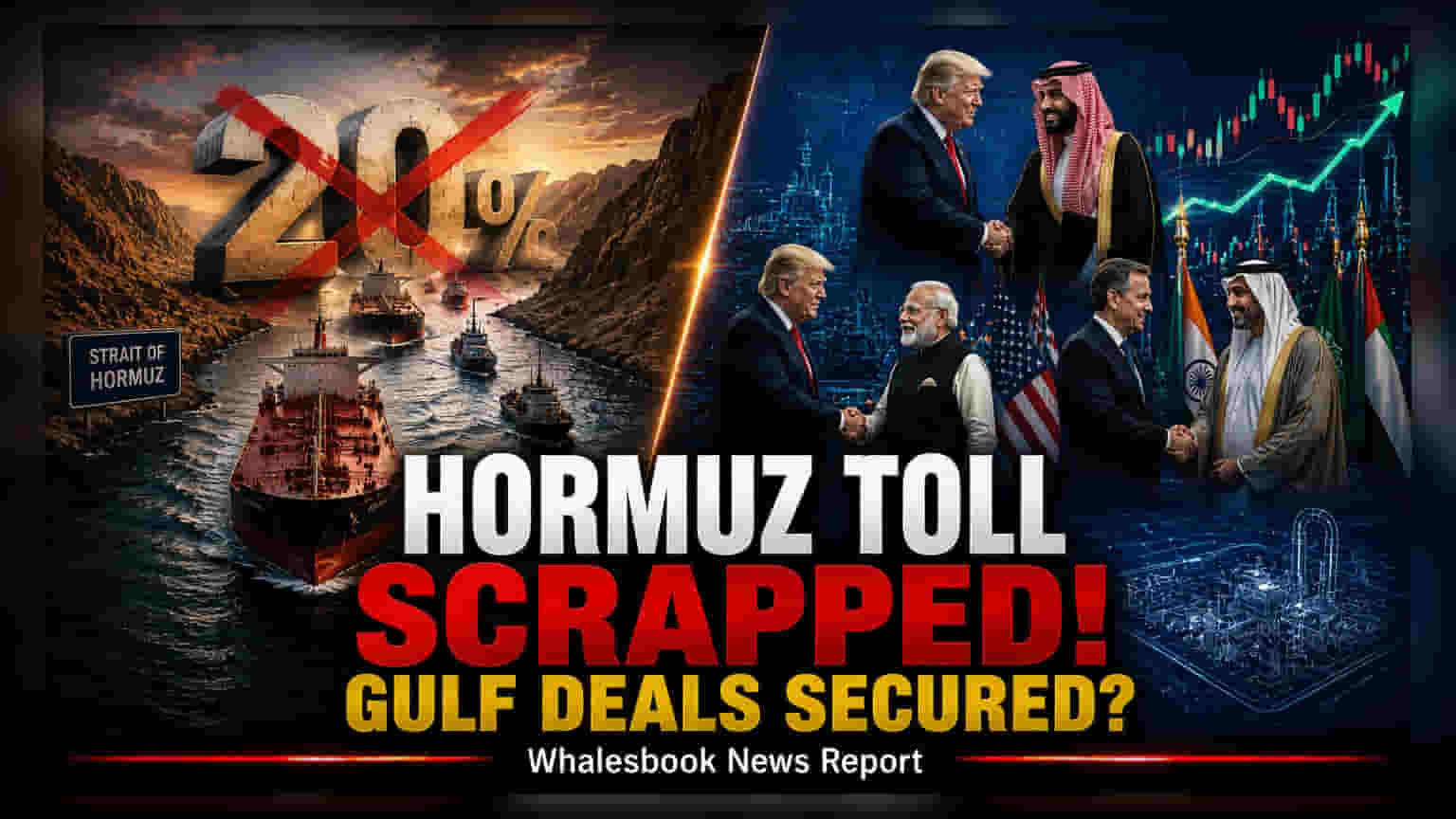
President Donald Trump has cancelled the proposed 20% fee on cargo moving through the Strait of Hormuz. In its place, the U.S. has secured commitments for major trade and investment deals from Gulf nations. The administration simultaneously announced a full blockade on Iranian shipping while keeping the waterway open to other global trade.
President Donald Trump announced on Tuesday that the United States will not move forward with the previously proposed 20% fee on cargo transiting the Strait of Hormuz. This shift follows what the administration described as productive negotiations with leadership in the Middle East. Instead of the toll, these Gulf nations have reportedly committed to significant trade and investment agreements that the U.S. government expects will boost domestic manufacturing and infrastructure projects.
Impact on Global Trade and Energy Markets
The Strait of Hormuz is a critical passage for global energy supplies, with a substantial portion of the world's daily oil production flowing through the narrow waterway. For Indian investors, the stability of this route is essential, as any disruption or additional fees could have influenced global crude oil prices, which directly impact India's import bill and inflation levels. By reversing the toll proposal, the immediate risk of a new, direct cost burden on global shipping has been removed, providing a measure of relief for commodity-linked sectors that rely on consistent energy costs.
Strategic Changes and Regional Risks
While the toll plan has been abandoned, the U.S. has confirmed a full blockade targeting Iranian vessels. This move differentiates shipping access based on national origin, explicitly restricting trade involving Iran-linked cargo. The situation remains sensitive, as the regional geopolitical environment continues to face heightened tensions. Market participants will be observing how this dual approach—securing investment deals with Gulf allies while enforcing a strict blockade on Iran—affects tanker insurance premiums, global shipping logistics, and crude oil price volatility in the coming weeks.
Future Monitorables
The most important detail for investors to track next is the actual implementation of the promised Gulf investments and their potential to influence regional supply chains. Additionally, the market will monitor whether the new blockade leads to any retaliatory measures or further escalation in the region that could affect the consistent flow of oil. Stability in the strait remains a primary factor for global trade, and any further updates regarding military operations or changes in the blockade status will be essential for assessing future energy price trends.