

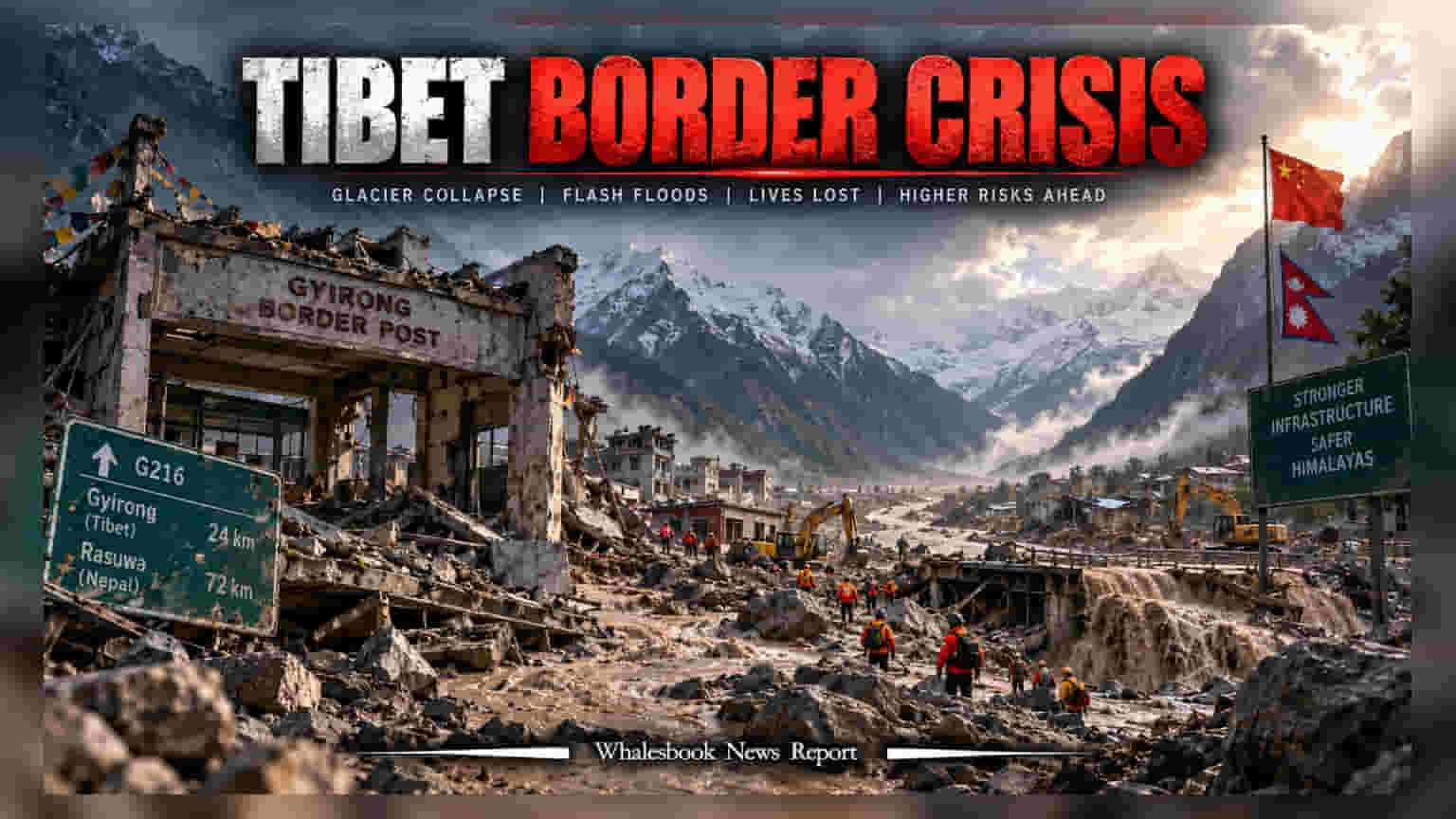
The catastrophic glacier collapse in the Tibet-Nepal border region has caused over 1,373 deaths and damaged critical infrastructure. For investors, this event signals potential operational risks for high-altitude hydropower projects and logistics, as environmental volatility on the Tibetan Plateau complicates long-term project viability and safety assessments.
On August 26, 2026, a massive glacier collapse triggered devastating flash floods in the Gyirong region, severely affecting the border between Tibet and Nepal. Chinese authorities have now granted rare access to the disaster zone, allowing for rescue and initial site assessments. While the G216 national highway was reopened by early September to facilitate the movement of heavy machinery, the humanitarian and economic toll of the event is significant. Official data confirms 21 deaths and 541 missing in the Tibet Autonomous Region alone, while total casualties across the broader border region exceed 1,373.
The disaster has served as a stark reminder of the challenges facing infrastructure projects in the Himalayan region. The Bhotekoshi and Trishuli river basins—areas central to large-scale hydropower development—sustained significant damage during the surge. For investors and project developers, this underscores a critical execution risk in high-altitude zones. Constructing and maintaining dams, roads, and power infrastructure in areas prone to sudden, violent environmental shifts is both costly and technically complex. The damage to these assets suggests that maintenance requirements and insurance premiums may need to be re-evaluated, which could impact the profitability and operational timelines of current and future projects in the sector.
This event is part of a broader, long-term environmental trend. Research indicates a 24% reduction in glacier surface area on the Tibetan Plateau over the past six decades, with approximately 7,000 glaciers lost. This persistent retreat creates a systematic problem for companies relying on the stability of water flow for power generation. While the immediate focus remains on search and recovery efforts, the recurring nature of these geological instability events poses a lasting threat to the structural integrity of civil engineering projects in high-mountain corridors.
The tragedy has also brought diplomatic and transparency concerns to the forefront. With hundreds of foreign nationals, including 49 Indians, among the missing, the event has drawn international attention to the adequacy of disaster-risk models and the need for better data sharing between upstream and downstream nations. Moving forward, the key monitorable for the industry will be whether this disaster leads to stricter building codes, improved environmental monitoring, or changes in how regional authorities assess the viability of massive projects in geologically volatile landscapes.