 Whalesbook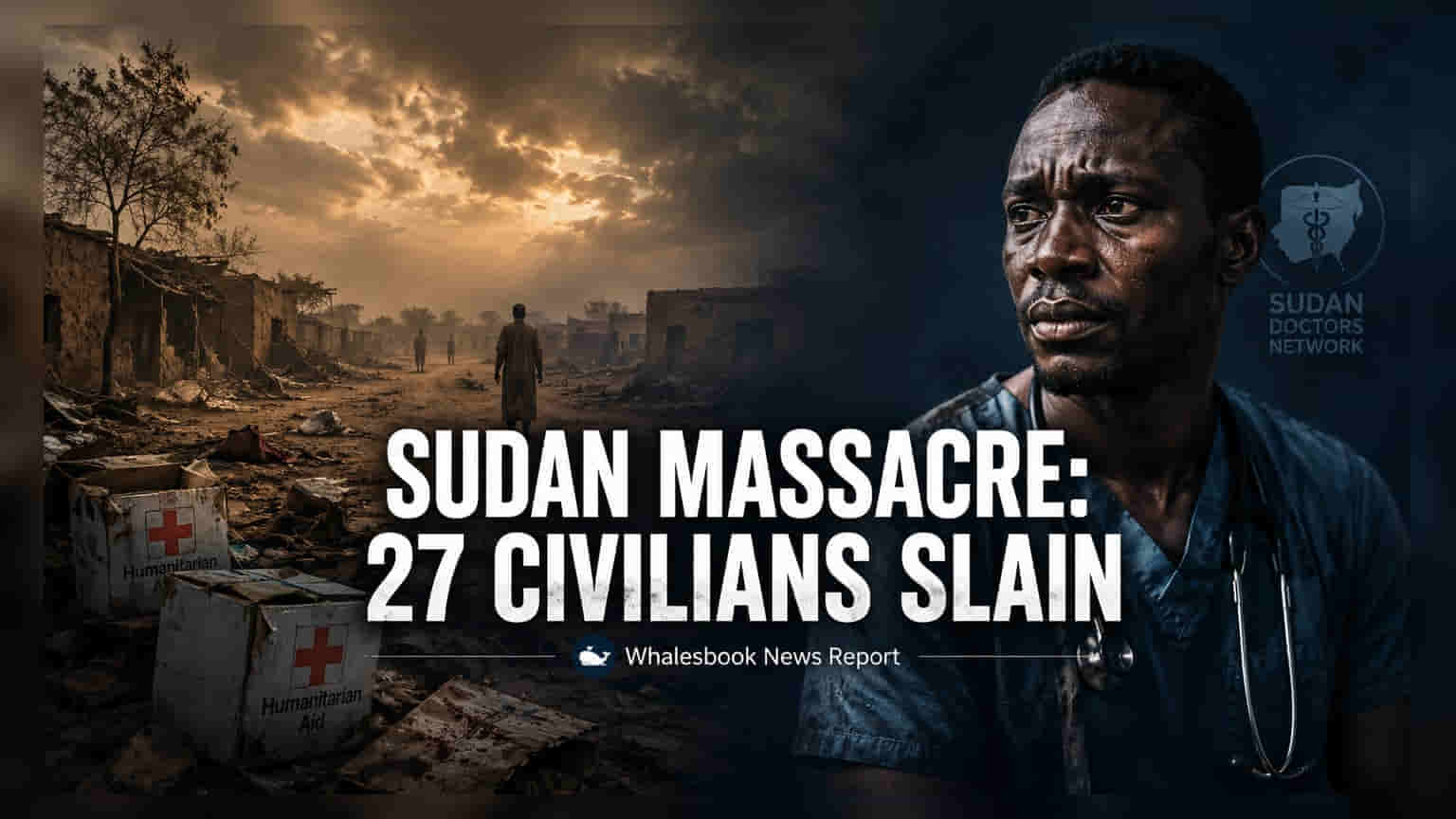


The Economic Cost of Conflict
The targeted assault on villages near Bara reflects a broader strategic shift as the Rapid Support Forces intensify efforts to consolidate control over Sudan’s remaining economic infrastructure. By destabilizing the North Kordofan region, these forces are not merely engaging in territorial skirmishes but are actively jeopardizing the supply chains that connect the interior to critical trade routes. The timing of the attack, coinciding with Eid al-Adha, highlights the total breakdown of domestic security, which complicates any potential for humanitarian aid corridors to function effectively.
Resource Wars and Market Contagion
Control over Western Darfur and the Kordofan region is intrinsically linked to the nation’s dwindling export potential, particularly regarding gold and oil assets. While international markets often overlook the granular reality of these supply chain disruptions, the systemic destruction of local agricultural capacity in these regions ensures that food insecurity will remain a permanent feature of the Sudanese economy for the foreseeable future. The latest data from the United Nations confirms that nearly 20 million people are now caught in a cycle of starvation, a statistic that signals the near-total collapse of the internal labor market and commercial logistics.
Structural Vulnerabilities and Security Risks
The persistent failure to establish a durable ceasefire has created a power vacuum that private paramilitary actors are exploiting to secure revenue-generating assets. Unlike centralized state armies that operate under identifiable command structures, the decentralized nature of the fighting in North Kordofan makes long-term investment or regional stabilization nearly impossible. The risk of this conflict spilling across borders into neighboring states remains high, particularly as the collapse of local governance pushes displaced populations into already strained regional hubs, threatening to trigger a secondary wave of economic migration and political instability.
The Humanitarian Escalation
With nearly half the population now facing food shortages, the economic viability of the region has been permanently impaired. International monitoring groups have noted that the absence of a cohesive peace process leaves civilian populations as the primary targets for resource expropriation. This pattern of violence serves as a chilling indicator of the continued decay of Sudan’s institutional integrity, suggesting that current geopolitical efforts to mediate the conflict have failed to address the underlying incentives driving the ongoing brutality.