

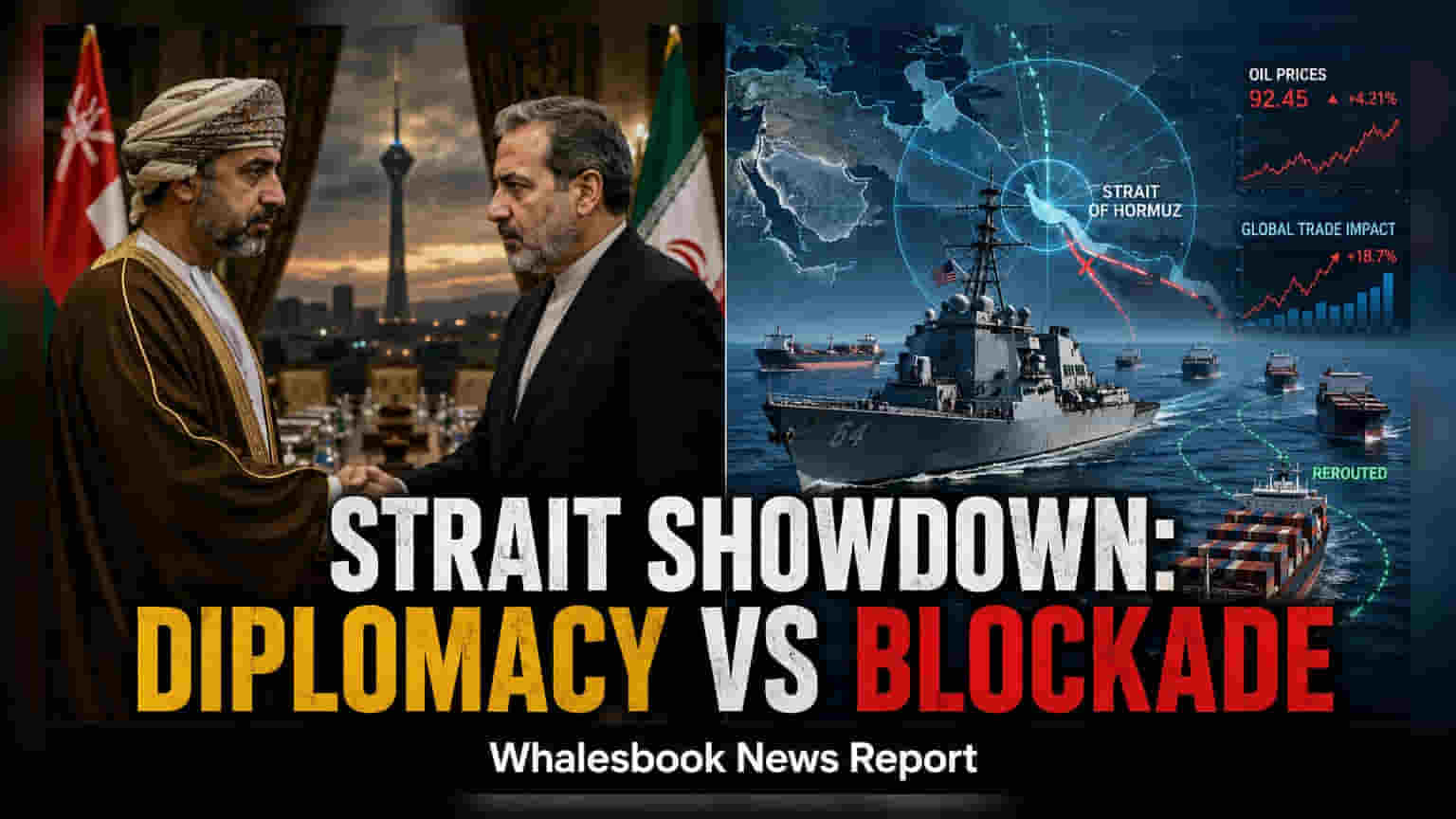
Diplomatic discussions between Iran and Oman to reopen the Strait of Hormuz are reportedly advancing. Despite these talks, the US Central Command confirmed its naval blockade remains active, having redirected twelve vessels recently. The situation highlights ongoing maritime and geopolitical risks that continue to disrupt regional shipping routes and commercial logistics.
Detailed Coverage
Diplomatic efforts between Iran and Oman to reach an agreement on the reopening of the Strait of Hormuz and surrounding waterways have shown signs of progress. An Omani delegation visited Tehran on Friday to facilitate these talks, which occur against a backdrop of intense regional tension and fluctuating military activity. The discussions coincide with a temporary pause in US-led military operations in the area, a move reportedly aimed at preventing interference with the diplomatic process.
Impact on Commercial Maritime Operations
While diplomatic channels remain open, the practical reality for shipping remains difficult. US Central Command (CENTCOM) has maintained that its naval blockade against Iran is fully operational. According to recent updates from the command, coalition forces have actively enforced maritime perimeters, including disabling two vessels that failed to comply with orders and boarding two others. Additionally, twelve commercial ships attempting to reach Iranian ports have been redirected, signaling that transit through the region remains subject to high levels of scrutiny and restriction.
Geopolitical and Legal Strains
The diplomatic headway faces significant challenges, particularly regarding the interpretation of existing maritime agreements. Iran’s Foreign Minister, Abbas Araghchi, has publicly accused the United States of violating established understandings. Specifically, Tehran claims that Washington has created unauthorized alternative shipping routes, which diverts commercial vessels away from corridors previously designated by Iranian authorities. Minister Araghchi has cited these actions as a breach of memorandum terms, specifically referencing Article 5 of the agreement between the two nations.
Investor Monitorables
For market participants, the situation in the Strait of Hormuz is a critical factor for global energy and trade logistics. The primary concern is whether these diplomatic talks can lead to a de-escalation that normalizes commercial shipping lanes. Investors should continue to track developments regarding the status of the US naval blockade, as any shift in enforcement policy could directly impact shipping costs, insurance premiums for vessels operating in the Persian Gulf, and the flow of global commodities. Future updates from both Iranian authorities and US military commands regarding maritime compliance will be essential to determine if shipping routes move toward a more stable or a more restricted environment.